You can tackle a replace car door lock cylinder DIY project in about an hour with basic hand tools and a replacement part from any auto store. If your key no longer turns, the cylinder spins freely, or a break-in attempt left the lock damaged, you don't need a dealership to fix it. For a broader look at related repairs, see our guide on how to replace a broken car door lock.
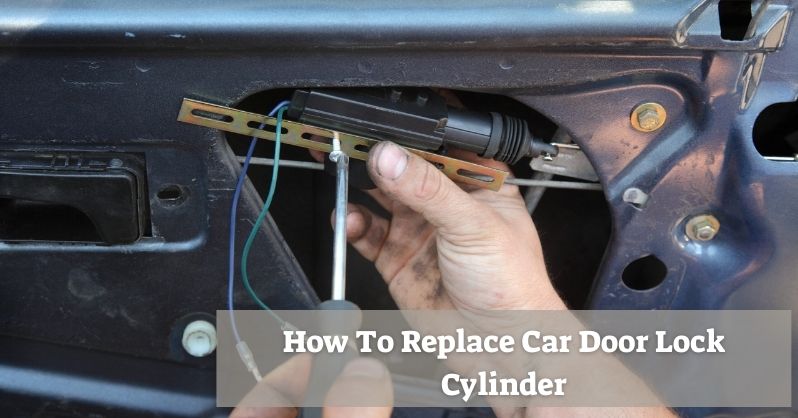
The lock cylinder is the keyhole mechanism inside your exterior door handle. It works on a pin tumbler design — a series of spring-loaded pins that align with your key's cuts to allow rotation. Over time, those pins wear down, corrode, or get forced out of position by rough use or a break-in attempt.
This guide covers when to replace it, what it costs, how to do the job correctly, and how to keep your new cylinder working for years. The core process is consistent across most vehicles — trim panel removal is the main variable by make and model. Browse more step-by-step projects at our car repair guides.
Contents
When You Need a New Lock Cylinder
Signs the Cylinder Is Failing
Not every stiff lock needs a full cylinder swap. But certain symptoms point directly to cylinder failure rather than a worn key or a lubrication issue you can fix in five minutes.
- The key turns harder than it used to, especially in cold weather
- You can insert the key but it won't rotate at all
- The cylinder spins freely without engaging the latch
- You notice visible damage around the keyhole — scratches, denting, or a loose housing
- The lock works inconsistently: sometimes fine, sometimes completely stuck
If the key turns but the door won't open, the problem may be the rod connecting the cylinder to the latch rather than the cylinder itself. Pull the interior panel first to confirm which component is actually failing before you order any parts.
When a Full Replacement Makes Sense
Replacement makes the most sense when the cylinder is physically damaged, your keys are lost or stolen, or you've bought a used vehicle and want to reset access. If you're locked out right now, you might first look at your short-term options — there are several approaches covered in our guide on how to pick a car lock from outside — but a new cylinder is always the proper long-term fix. Rekeying is worth considering if the housing is still in good condition and the pins are the only worn component.
What the Replacement Will Cost You
Part Costs by Vehicle Type
The part itself is the biggest cost variable. Domestic vehicles and older imports use simpler cylinders that cost less. Luxury vehicles and newer models with integrated transponder chips cost significantly more. Labor at a shop typically runs $50–$150 per hour on top of the part.
| Vehicle Type | Part Cost (DIY) | Shop Labor | Total (Shop) |
|---|---|---|---|
| Domestic sedan or truck | $20–$45 | $50–$100 | $70–$145 |
| Import (Honda, Toyota, etc.) | $30–$60 | $60–$120 | $90–$180 |
| European or luxury brand | $60–$120 | $100–$200 | $160–$320 |
| Cylinder with transponder chip | $80–$150 | $100–$200 | $180–$350 |
Hidden Costs to Factor In
Beyond the cylinder itself, budget for a few extras so you're not caught short mid-job.
- Trim panel clips — they break easily on older cars; a replacement bag costs $5–$10
- Lock lubricant (graphite powder or silicone spray): $5–$8
- A plastic trim panel removal tool set if you don't own one: $10–$15
- Key cutting, if your new cylinder doesn't include keys: $5–$20 per key
All in, a DIY replacement on a typical domestic vehicle should run you $40–$80 in parts and supplies — a fraction of what a dealership charges for the same repair.
DIY vs. Professional: A Quick Comparison
Benefits of Doing It Yourself
For most vehicles, this job is well within reach for anyone comfortable with basic hand tools. You don't need a lift, specialized equipment, or automotive training. The main advantages:
- Save $100–$250 in labor costs
- Work on your own schedule — no appointment, no waiting room
- Learn your door assembly, which helps with any future repairs
- Replace only the failed cylinder rather than the entire door lock assembly
When to Call a Locksmith Instead
Some situations genuinely warrant a professional. If your vehicle uses a high-security key with embedded electronics, the cylinder requires programming that a standard mechanical swap won't address. Similarly, if the door panel is warped from a collision or the latch mechanism is bent, professional assessment is the safer call. An automotive locksmith often charges less than a dealership for the same work, so it's worth getting a quote from both before committing.
How to Replace a Car Door Lock Cylinder DIY
Tools You'll Need
- Flathead and Phillips screwdrivers
- Plastic trim panel removal tool
- Needle-nose pliers
- Torx bit set (some vehicles use Torx screws on door panels)
- Masking tape to protect paint around the door handle
- A thin pick or dedicated clip removal tool for the retaining clip
- Magnetic parts tray — small springs disappear fast
The Replacement Process
The steps below apply to most front-door lock cylinders. Check your vehicle's service manual for model-specific notes on panel attachment points.
- Remove the door panel. Pop out screws hidden under armrest caps or grab handles, then use the trim tool to unclip the panel from the frame. Disconnect any wiring harnesses — power window switches, mirror controls — before pulling the panel fully free.
- Peel back the vapor barrier. Work carefully; the adhesive sealant needs to stay mostly intact to keep moisture out of the door cavity.
- Disconnect the lock rod. Locate the metal rod running from the cylinder to the latch mechanism and unclip it with needle-nose pliers.
- Release the retaining clip. From inside the door, find the C-clip or retaining tab holding the cylinder in the handle housing. Use your pick tool to remove it without bending it.
- Slide out the old cylinder. Pull it straight back through the exterior door handle opening.
- Insert the new cylinder. Slide it in with the key slot correctly oriented, press the retaining clip into place, then reconnect the lock rod.
- Test before reassembly. Insert your new key and confirm the cylinder rotates fully in both directions before reinstalling the vapor barrier and panel.
- Reinstall the door panel. Reconnect all harnesses, seat the panel clips, and replace all screws.
Pro tip: Always test lock function with the door panel completely off before buttoning everything back up — realizing the rod is misrouted after reassembly costs you another 30 minutes of disassembly.
Pro Tips for a Cleaner Job
Common Mistakes to Avoid
Even experienced DIYers hit the same avoidable snags. These are the ones worth knowing before you pick up a screwdriver.
- Buying the wrong cylinder — confirm your exact year, make, model, and trim level before ordering. Some manufacturers changed cylinder designs mid-production-year without updating the part number
- Forcing the retaining clip instead of properly releasing it — this cracks the clip and stops the job until a replacement arrives
- Skipping paint protection around the door handle — trim tools scratch clear coat faster than you'd expect
- Using WD-40 as a lubricant on the new cylinder — it attracts dust and gums up the pins; use graphite powder or silicone spray instead
Smart Shortcuts That Save Time
A few small habits speed the job up without cutting corners. Take a photo of the lock rod routing before you disconnect anything — it costs five seconds and saves guesswork on reassembly. Tape the retaining clip to the inside of the door panel while you work so it doesn't roll away. And if you're replacing both front cylinders in one session, do one door fully start-to-finish before moving to the second, so the first door confirms your process before you repeat it.
Keeping Your Lock Cylinder in Good Shape
Routine Maintenance Steps
A new cylinder can last the life of your vehicle with minimal attention. A few simple habits make a real difference over time.
- Lubricate the cylinder once or twice a year with graphite powder or silicone spray — avoid petroleum-based products that attract grit
- Keep the keyhole clear of debris; a quick blast of compressed air before lubricating helps
- Use a dedicated lock de-icer in winter rather than forcing a stiff key — forcing it bends the key and accelerates pin wear
- Inspect the exterior door handle area periodically for cracks or looseness that could stress the cylinder housing
Signs You're Due for Another Replacement
Even a well-maintained cylinder eventually wears out. Watch for the same symptoms that brought you here the first time: increased resistance when turning the key, intermittent failure on cold mornings, or a key that inserts but won't rotate. Catching wear early means you replace on your schedule — not because you're locked out in a parking lot with no tools. If wear shows up on multiple cylinders around the same time, replacing all of them in a single session saves repeated disassembly down the road.
Frequently Asked Questions
How long does it take to replace a car door lock cylinder?
Most DIYers complete the job in 45 minutes to an hour and a half. First-timers spend the most time on door panel removal; the cylinder swap itself is quick once you have access to the interior door cavity.
Do I need to replace all door lock cylinders at once?
No — you can replace just the failed cylinder. However, if you're replacing because you lost your keys, consider swapping all keyed cylinders so every door works with a single new key set.
Can I rekey a car door lock cylinder instead of replacing it?
Yes, an automotive locksmith can rekey a cylinder if the housing is still in good structural condition. Rekeying costs less than a full replacement when the cylinder itself isn't physically damaged.
What tools do I need to replace a car door lock cylinder?
You'll need flathead and Phillips screwdrivers, a plastic trim panel removal tool, needle-nose pliers, and possibly Torx bits depending on your vehicle. A magnetic parts tray is essential for keeping small springs and clips from disappearing.
Will a new lock cylinder come with keys?
It depends on the part. Some aftermarket cylinders include one or two keys; others don't. Check the product listing before ordering and budget for key cutting at a hardware store if keys aren't included.
How much does a dealership charge to replace a lock cylinder?
Dealership pricing typically runs $150–$350 for a standard cylinder replacement, including parts and labor. European and luxury brands often cost more due to higher parts prices and longer labor times.
Can a damaged lock cylinder be repaired instead of replaced?
Minor pin wear can sometimes be addressed through rekeying, but physical damage to the housing or a broken retaining mechanism almost always requires a full replacement. Repairs to cracked housings rarely hold up long-term.
Does replacing a lock cylinder affect my car alarm?
On most vehicles, the lock cylinder is a purely mechanical component with no connection to the alarm system. If your cylinder includes a transponder chip, however, a locksmith or dealer should verify the new cylinder is correctly programmed to your vehicle.
Final Thoughts
A replace car door lock cylinder DIY job is one of the more satisfying automotive repairs you can do yourself — the cost savings are real, the skill level is accessible, and the result is a fully functional lock you installed with your own hands. If you're ready to get started, head over to our car repair guides for more step-by-step projects, grab your trim tools, and put that new cylinder in this weekend.


About Vincent Foster
Greetings, This is Tom Vincent. I’m a home Security Expert and Web developer. I am a fan of technology, home security, entrepreneurship, and DIY. I’m also interested in web development and gardening. I always try to share my experience with my reader. Stay Connected and Keep Reading My Blog. Follow Me: Facebook, Twitter, Pinterest
Now you can get FREE Gifts. Or latest Free Security Cameras here.
Disable Ad block to reveal all the gifts. Once done, hit a button below