Have you ever stood outside your car, keys locked inside, wondering how to pick a car lock from outside without shelling out for an emergency locksmith? It happens to almost everyone at some point. The good news is that several proven methods can get your door open fast — without damaging your vehicle. This guide walks you through the tools, techniques, and situations that matter most, so you can make a smart call when you're stuck in a parking lot at midnight.
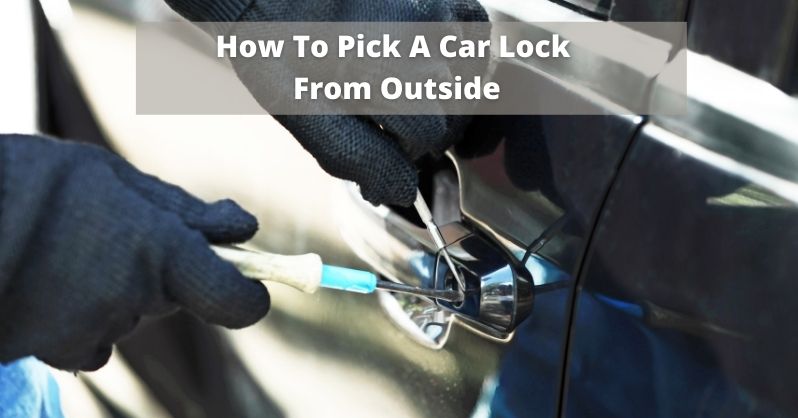
Before you try anything, it's worth knowing which method fits your car and your situation. Older vehicles with manual post-style locks are much easier to open from outside than modern cars with electronic systems. And some methods work fine on a sedan but not on a truck. We'll break it all down by scenario so you can pick the right approach — and skip the ones that will waste your time.
If you're curious how lock picking principles carry over from cars to doors, our guide on 4 easy ways to pick a door lock covers a lot of the same fundamentals. But car locks have their own quirks, and that's exactly what this post is about. Browse all our resources at the car locks guide hub.
Contents
- Understanding Car Locks: Why They're More Pickable Than You Think
- Tools You Can Use to Pick a Car Lock From Outside
- Situations Where Picking a Car Lock Is the Right Call
- Tried-and-Tested Methods That Work in Real Life
- When It's Not Working: Common Problems and Fixes
- How to Avoid Getting Locked Out in the Future
- Frequently Asked Questions
Understanding Car Locks: Why They're More Pickable Than You Think
Car locks are designed for convenience as much as security. That balance — easy for the driver, hard for strangers — means most car locks have a predictable weak point. Once you understand the mechanism, figuring out how to pick a car lock from outside becomes a lot less mysterious.
Types of Car Lock Mechanisms
Not all car locks work the same way. Here's a quick breakdown of the most common types:
- Post locks (vertical button locks) — Found on older cars. A vertical pin sticks up inside the door sill. These are the easiest to manipulate from outside.
- Horizontal slide locks — Common on many mid-range vehicles. A horizontal bar slides left or right. Slightly harder to access but still manageable with the right tool.
- Electronic locks — Modern cars where the lock mechanism is fully electronic. These require a completely different approach — usually a key fob signal or bypassing the interior switch.
- Double-pull locks — Some vehicles require the lock to be lifted twice before the door opens. Easy to miss if you don't know what you're dealing with.
According to Wikipedia's overview of lock picking, the basic principle — manipulating internal components without the original key — applies to car locks just as much as door locks. The difference is access and the amount of space you have to work with.
Legal Considerations
Here's the honest truth: picking a car lock you don't own is illegal in most places. Only attempt these methods on your own vehicle or with the owner's explicit permission.
- In many states and countries, possessing slim jim tools without a locksmith license can be a misdemeanor.
- If a police officer sees you working on a car, you may be asked to show registration or ID — have it ready.
- When in doubt, call a licensed locksmith or your roadside assistance service instead of risking legal trouble.
Tools You Can Use to Pick a Car Lock From Outside
The method you choose depends almost entirely on what tools you have available. Some are professional-grade; others are improvised from everyday items.
Professional-Grade Tools
- Slim jim — A thin, flat metal strip used to slide between the door window and weather stripping (the rubber seal around the glass) to manipulate the lock rod directly.
- Long-reach tool kit — Includes an inflatable wedge to create a gap in the door frame and a long metal rod to press interior buttons or pull the lock tab.
- Lockout tool set — Available from automotive supply stores. Multiple rod shapes for different door configurations.
- J-tool (J-hook) — A rod bent into a J-shape, useful for hooking interior door handles or lock mechanisms on SUVs and trucks.
If you want to sharpen your general lock picking instincts first, check out our guide on how to pick a lock for beginners — many of the concepts around tension and feedback carry over directly to car locks.
DIY Improvised Tools
- Wire coat hanger — Straighten it out and bend a small hook at one end. Works on older cars with post locks when you have no other option.
- Shoelace — Works specifically on post-style locks by looping around the pin and pulling upward.
- Plastic wedge or door stop — Used to create a small gap in the door frame so you can insert a rod or hanger tool.
- Thin plastic strip — A strip cut from a rigid plastic bottle can act as a very basic slim jim on very old vehicles.
Warning: Improvised tools like coat hangers can scratch your door frame, damage weather stripping, or trip the airbag sensor on newer vehicles — use them only as a last resort on older cars.
| Method | Tools Needed | Difficulty | Risk of Damage | Best For |
|---|---|---|---|---|
| Slim Jim | Slim jim strip | Moderate | Low–Medium | Older vehicles, post locks |
| Wedge + Rod | Inflatable wedge, long rod | Easy–Moderate | Low | Most modern cars |
| Shoelace Loop | Shoelace or thin cord | Easy | Very Low | Older cars with post locks only |
| Coat Hanger | Wire hanger | Moderate | Medium–High | Older cars, true last resort |
| J-Hook Tool | J-hook rod | Moderate | Low | SUVs, trucks, horizontal locks |
| Professional Locksmith | Phone | None | None | Modern cars, electronic locks |
Situations Where Picking a Car Lock Is the Right Call
Not every lockout is the same. Context matters a lot here. Some situations call for immediate DIY action; others are better handled by a professional.
Emergency Scenarios
- Child or pet locked inside — Don't waste time on picking. Break a rear window immediately and call 911. Every second counts.
- Medical emergency — Same rule. Window first, lock picking second.
- Remote location with no cell signal — If you genuinely can't call for help and you have improvised tools available, attempting the coat hanger or shoelace method on an older vehicle is a reasonable move.
- Extreme weather — If outside temperatures are dangerous and a passenger is exposed, don't wait on a 45-minute locksmith ETA.
Non-Emergency Scenarios
- You locked your keys inside and have a spare at home — drive (or get a ride) to the spare. Don't risk scratching your door frame.
- You have roadside assistance through your insurer, AAA, or a manufacturer plan — call them first. That's what you're paying for.
- Your car is a modern vehicle with a fully electronic locking system — DIY picking is unlikely to work and may trigger your alarm.
- You're parked in a high-traffic public place — attempting to pick your own lock in a crowded area can attract unwanted attention from bystanders or police.
Tried-and-Tested Methods That Work in Real Life
These are the techniques that locksmiths and stranded drivers actually rely on. Each one works differently depending on your vehicle type, so match the method to your car before you start.
The Slim Jim Method
The slim jim is the classic approach for picking a car lock from outside on older vehicles. Here's how to use one:
- Position yourself at the driver's door.
- Locate the gap between the car window glass and the door's outer weather stripping (rubber seal).
- Slide the slim jim carefully into this gap — you're aiming inside the door panel, not outside it.
- Feel for the lock rod (the vertical or horizontal rod connected to the lock mechanism).
- Once you've hooked or caught the rod, push or pull it in the direction that unlocks the door.
- Feel and listen for a click — that's the lock releasing. Pull the exterior handle and you're in.
Important: Slim jims can damage airbag wiring on most vehicles made after 2000. If your car has side-impact airbags built into the door, skip this method entirely and use the wedge and rod approach instead.
The Wedge and Rod Method
This is the safest DIY method for most modern cars — and the one most mobile locksmiths use as their first choice. It works by creating a small gap in the door frame rather than inserting anything through the window seal.
- Insert a plastic or rubber wedge into the top corner of the driver's door frame to create a small gap — about half an inch is enough.
- Feed a long, thin rod through the gap. A store-bought lockout rod or a carefully straightened coat hanger both work here.
- Maneuver the rod toward the interior door panel, aiming for the unlock button or the interior door handle.
- Press the unlock button firmly, or hook the interior handle and pull it to trigger the release.
- Remove your tools slowly and open the door normally.
This method works on sedans, SUVs, and most trucks. It takes patience to angle the rod correctly, but when done carefully it carries minimal risk of damage to your vehicle.
The Shoelace Method
One of the oldest tricks around — and it only works on older cars with post-style (vertical button) locks. If your car has a small knob that sticks up from the door sill, this is worth trying.
- Tie a small lasso loop (about the width of a finger) in the middle of your shoelace or a thin piece of cord.
- Work one end of the shoelace into the top corner of the door using a gentle back-and-forth sawing motion.
- Feed the loop down toward the lock post sticking up from the door sill.
- Maneuver the loop over the post — this takes the most patience.
- Once the loop is seated around the post, pull both ends of the shoelace firmly upward together.
- The post lifts and the door unlocks.
Getting the loop positioned correctly often takes several attempts. On modern cars with flush electronic locks, this method simply won't work — don't waste your time trying it.
When It's Not Working: Common Problems and Fixes
Sometimes you do everything right and the door still won't open. Before you give up or break anything, work through these common issues.
Common Mistakes to Avoid
- Wrong entry point — You're sliding your tool into the wrong part of the gap. Try the top corner of the door frame rather than the center or bottom.
- Pushing instead of pulling (or vice versa) — Car locks move in different directions depending on the vehicle. If pushing fails, try pulling. You may have the rod on the right component but moving it the wrong way.
- Missing the lock rod entirely — With a slim jim, it's easy to snag wiring or weather stripping instead of the actual rod. Move slowly and feel for firm, mechanical resistance.
- Forgetting the double-pull lock — Some vehicles require two upward lifts on the lock post before the door releases. If one firm pull doesn't work, try two quick upward motions in succession.
- Triggering the alarm and pushing through — If your alarm goes off, stop immediately. Continuing to force the lock while the alarm is active can drain your battery and stress door sensors. Step back, wait for it to reset, then try again.
When to Call a Locksmith Instead
There's no shame in calling a professional. Do it when:
- Your car is a model with a fully electronic locking system and no visible interior unlock button to reach.
- You've already bent a wire hanger inside your door frame and can't retrieve it — now you have two problems.
- Your alarm won't stop triggering no matter what you try.
- The lock appears to be mechanically broken, not just engaged.
A licensed locksmith typically arrives within 30 to 60 minutes and can open most vehicles without causing damage. Their fee is almost always less than a dented door panel or a triggered insurance claim.
How to Avoid Getting Locked Out in the Future
The best solution to picking a car lock from outside is never needing to do it in the first place. A few simple habits and small investments can make lockouts a non-event.
Spare Key Strategies
- Cut a spare key and keep it at home — Sounds obvious, but a lot of people skip this. A standard duplicate key costs a few dollars at any hardware store. Do it this week.
- Give a spare to a trusted person — A nearby family member, neighbor, or coworker can be a lifesaver when you're stranded across town.
- Use a magnetic key box — Attach a small magnetic lockbox to an undercarriage surface in a non-obvious location. Keep in mind that experienced thieves know to look for these.
- Set up a digital key backup — Many newer vehicles support manufacturer smartphone apps that unlock your car remotely. Check your owner's manual or manufacturer's website to see if yours qualifies.
- Add lockout coverage to your insurance — Many auto policies include it as a free add-on that most drivers never activate. A quick call to your insurer can confirm.
Smart Security Upgrades
If lockouts happen more than once, it's worth thinking about your broader security habits. The same layered thinking that goes into burglar-proofing your home applies to your vehicle — redundancy and not relying on a single point of failure.
- Consider a keypad door entry system if your vehicle or trim level supports one — no physical key required.
- Sign up for a roadside assistance plan through your insurer, AAA, or your car manufacturer's program before you ever need it.
- Review your daily habits — most lockouts happen when you're distracted or rushed. A simple hook by the door for keys breaks the cycle for a lot of people.
- If you own a home with a smart lock, the same mindset applies to your car: layers of access, backup methods, and no single point of failure. Our guide on how to install a smart lock on your door covers how these systems handle backup access — useful reading even outside the car context.
Frequently Asked Questions
Is it legal to pick a car lock from outside?
It depends on whose car it is. Picking the lock on your own vehicle is generally legal, though some jurisdictions restrict possession of slim jim tools without a locksmith license. Picking someone else's car without permission is illegal in virtually every location. Always carry your vehicle registration or proof of ownership if you attempt this on your own car and someone questions you.
Will picking my car lock set off the alarm?
It depends on your vehicle's alarm system. Most modern car alarms are triggered when the door opens without the correct key fob signal, not by the lock mechanism itself. However, some vehicles have vibration or pressure sensors in the door panel that can activate during the picking process. If your alarm triggers, stop and step back — let it reset before continuing.
Can you pick a car lock from outside on a modern vehicle?
Modern vehicles with fully electronic locks are very difficult to open using DIY tools. The slim jim and shoelace methods don't work on electronic systems at all. The wedge and rod method can still succeed if you can reach an interior unlock button, but vehicles with active anti-theft systems may resist even professional tools. For cars made in the last decade or so, a locksmith or manufacturer app is usually the smarter path.
How long does it take to pick a car lock from outside?
An experienced locksmith can open most cars in under two minutes. If you're doing it yourself for the first time, expect anywhere from 10 to 30 minutes — or longer with improvised tools on an unfamiliar vehicle. Slow and deliberate always beats rushing. Forcing anything increases both the time it takes and the chance of causing damage.
The best preparation for a lockout is the work you do before it happens — a spare key, a roadside plan, and a calm head are worth more than any picking technique you'll find online.


About Vincent Foster
Greetings, This is Tom Vincent. I’m a home Security Expert and Web developer. I am a fan of technology, home security, entrepreneurship, and DIY. I’m also interested in web development and gardening. I always try to share my experience with my reader. Stay Connected and Keep Reading My Blog. Follow Me: Facebook, Twitter, Pinterest
Now you can get FREE Gifts. Or latest Free Security Cameras here.
Disable Ad block to reveal all the gifts. Once done, hit a button below