Ever stared at your Sentry safe, combination completely wiped from memory, wondering if you'll ever get back inside? You're not alone — and the good news is, learning how to open a Sentry safe without the combination is more achievable than it might look. Whether you forgot the code, inherited an old safe with no paperwork, or the electronic keypad is just refusing to cooperate, there are real methods that actually work. This guide covers all of them. For more tips on protecting your home from the ground up, check out our home security guides.
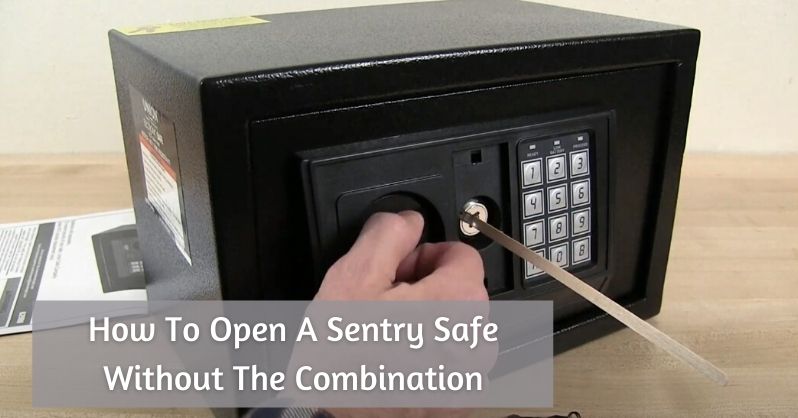
Sentry is one of the most recognized names in residential safes, covering everything from compact fireproof document boxes to full-sized cabinet models. Their locking systems range from traditional three-wheel dial combinations to electronic keypads with override key slots. Knowing exactly which type you have matters — because the approach that works for a mechanical dial won't apply to a digital model, and vice versa. The model number, usually stamped inside the door or printed on the back, is your starting point.
Before you start pulling at handles or searching for workarounds, take a moment to assess the situation calmly. Most lockouts are completely recoverable without damaging your safe or paying a locksmith hundreds of dollars. This guide walks through the legitimate options in order of effort, from the easiest recovery steps to the more hands-on mechanical approaches — so you can pick the one that fits your specific safe and situation.
Contents
- Understanding Why Sentry Safe Lockouts Happen
- What You'll Need Before You Try Anything
- How to Open a Sentry Safe Without the Combination: Methods That Work
- Staying Legal and Safe Throughout the Process
- Safe Maintenance to Prevent Future Lockouts
- Long-Term Access Planning
- Real Scenarios Where These Methods Save the Day
- Frequently Asked Questions
Understanding Why Sentry Safe Lockouts Happen
Sentry safes are engineered to resist unauthorized access — which is exactly what makes them so frustrating when you're the one locked out. The locking mechanism on a combination safe, whether dial or electronic, is designed to stay shut until the correct sequence is entered. No shortcuts, no second guesses. That's the whole point. But life doesn't always cooperate with security design, and lockouts happen to responsible owners all the time.
Common Causes of a Lockout
The most frequent culprit is simply a forgotten combination. Codes get set once, the safe gets used infrequently, and years later the digits are gone. Electronic models add another failure mode: dead or corroded batteries. When the keypad loses power, it can't accept input — and some older models don't have a clear low-battery warning before they shut down completely. Other common scenarios include a damaged keypad, a jammed bolt mechanism from a drop or impact, or inheriting a safe from a family member with no documentation left behind.
How Sentry Safe Locking Mechanisms Work
Understanding the internals helps you choose the right recovery method. Dial combination safes use a series of rotating discs — typically three — that align at specific positions to retract the bolt. Combination locks have been refined over more than a century, and Sentry's implementation is reliable but not impervious to manipulation when you know what you're doing. Electronic models use a solenoid actuator that retracts the bolt when the correct code is verified. Most electronic Sentry safes also include a hidden key override slot for exactly the situation you're in now.
What You'll Need Before You Try Anything
Rushing in without the right tools or information wastes time and can make things worse. A few minutes of prep can mean the difference between a smooth recovery and a damaged safe door. Here's what to gather before you start.
Tools for Mechanical Methods
For a dial combination safe, you'll want a stethoscope or listening device if you're attempting manipulation — the traditional method locksmiths use to feel for the click of each disc falling into place. A small flashlight, a magnifying glass to read the model number, and a notepad to log your progress are all useful. If you're considering drilling as a last resort, you'll need a drill with hardened bits, but that's genuinely a last-resort option that destroys the locking mechanism permanently.
Tools for Electronic Models
Electronic Sentry safes are generally easier to recover without damage. Your most important "tool" here is the override key — a small flat key that came with the safe and is often stored in a separate envelope. Beyond that, you may need fresh AA or 9V batteries depending on your model, and a flathead screwdriver to access the battery compartment. Some models allow an external battery connection if the internal pack is completely dead.
| Method | Safe Type | Difficulty | Damages Safe? | Cost |
|---|---|---|---|---|
| Contact Sentry Support | All types | Easy | No | Free |
| Override Key | Electronic | Easy | No | Free |
| External Battery Trick | Electronic | Easy | No | $5–$10 |
| Manipulation | Dial combination | Hard | No | Free (time-intensive) |
| Professional Locksmith | All types | Easy for you | Sometimes | $150–$400+ |
| Drilling | All types | Moderate | Yes | Tool cost + replacement |
How to Open a Sentry Safe Without the Combination: Methods That Work
There's no single universal fix here. The method that gets you back in depends entirely on your model. Work through these options from easiest to most involved.
Contact Sentry Safe Customer Support First
This is genuinely the first thing you should try, and a lot of people skip it because they assume it won't work. Sentry's customer support line can often retrieve your combination using your proof of purchase, the safe's serial number, and a photo ID. The process varies by model and age, but it's non-destructive and free. The serial number is usually stamped on the back panel or inside the door. This approach is similar to what you'd do if you forgot the code to any other security device — it's always worth checking with the manufacturer before you attempt anything physical. You can reach Sentry at 1-800-828-1438 or through their website.
Use the Override Key
If you have an electronic Sentry safe, there's a hidden override key slot somewhere on the unit — usually underneath a removable panel on the front face, or tucked under the keypad. The key itself is small and flat, and it came in a separate envelope when your safe was new. Many people tuck this envelope away in a "safe" place and then forget where that place was. Check your original purchase documents, your filing cabinet, and anywhere you store important household paperwork. If you've genuinely lost the override key, Sentry can send a replacement once you verify ownership.
Electronic Bypass Methods
If your electronic safe won't respond because the batteries died, you may be able to supply external power. Some Sentry models have a set of terminals behind the keypad where you can press a fresh 9V battery against the contacts to provide just enough juice to enter your code and open the door. It's a neat trick that works on a surprising number of models. If you've dealt with similar frustrations on other lock types, the process isn't unlike opening a padlock without a key — creative but entirely legitimate. Always try this before reaching for any tools.
Mechanical Manipulation on Dial Safes
Dial combination safes can be opened through a process called manipulation — essentially listening or feeling for the discs to align as you slowly rotate the dial. It's time-consuming and requires patience, but it doesn't damage anything. Professional locksmiths use this technique routinely. The basic approach involves turning the dial slowly while applying light tension to the handle, listening for subtle changes in resistance that indicate each disc is in position. If you've ever tried opening a Master Lock without the combination, the underlying concept is similar, though Sentry's mechanism is more complex.

Staying Legal and Safe Throughout the Process
Opening a safe you own is completely legal. Opening one you don't own is a different matter entirely. This distinction matters more than it might seem, especially if the safe came with a property you purchased or inherited from a family member.
Proof of Ownership Matters
If you're working with Sentry's support team or a locksmith, they'll ask for proof of ownership before helping you access a locked safe. A receipt, a copy of the registration card, the original purchase confirmation email, or a notarized statement from an estate if you inherited the safe can all work. Keep these documents in a separate, accessible location — not inside the safe itself, for obvious reasons. The same principle applies to any secure lock device; if you've ever wondered what documentation you'd need to deal with a locked gun safe, the answer is the same: ownership proof first.
When to Call a Professional Locksmith
If none of the DIY approaches work, or if you're dealing with a damaged mechanism, a professional locksmith is your best option. A qualified safe technician can often open your Sentry non-destructively using specialized tools. Expect to pay between $150 and $400 depending on your location and the complexity of the job. Ask specifically for someone with safe experience — not every locksmith who handles door locks is trained on safe mechanisms. The investment is almost always worth it compared to replacing the safe.
Safe Maintenance to Prevent Future Lockouts
Once you're back in, it's worth spending a few minutes on preventive maintenance. A well-maintained safe is less likely to lock you out again, and it'll last longer overall.
Battery Care for Electronic Safes
The number one cause of electronic safe lockouts is battery failure. Most Sentry electronic models use AA batteries, and they'll last anywhere from one to two years with regular use. Don't wait for a low-battery warning — replace the batteries on a fixed schedule, like every twelve months, regardless of how much power seems to be left. Use name-brand alkaline batteries rather than generic options; cheap batteries are more prone to leaking, which can corrode the contacts and create a more serious problem than a simple lockout.
Keeping Dial Combinations Accessible
For dial combination safes, the mechanism itself requires very little maintenance beyond occasional lubrication of the bolt with a dry lubricant like graphite powder. Avoid oil-based lubricants, which can attract dust and gum up the works over time. More importantly, store your combination in multiple secure locations outside the safe. A note in a fireproof filing cabinet, a secure digital note in your password manager, and a copy with a trusted family member covers most scenarios.

Long-Term Access Planning
The best lockout prevention strategy is one you set up once and then never have to think about again. A little planning now saves a lot of frustration later.
Storing Your Combination Securely
Your combination or override key should exist in at least three separate places. Write the combination down and store it in a sealed envelope in your filing cabinet. Add it to a password manager like Bitwarden or 1Password, which encrypts your data and lets you access it from anywhere. And consider leaving a copy with a trusted person — a spouse, parent, or close friend — who can retrieve it in an emergency. The same logic applies to resetting access codes. If you've ever had to reset a digital gun safe code, you know how much easier that process is when you actually have the original code on hand.
Setting Up a Recovery System
Register your safe with Sentry immediately after purchase if you haven't already. Registration ties your serial number to your identity in their system, which makes the recovery process dramatically faster if you ever forget the combination years down the line. Set a calendar reminder to check your override key's location once a year — just a thirty-second check that it's still where you think it is. These small habits eliminate the vast majority of lockout scenarios before they ever happen.
Real Scenarios Where These Methods Save the Day
Understanding the theory is one thing. Seeing how these methods play out in real situations helps you know which one to reach for first.
The Forgotten Inheritance
One of the most common scenarios is inheriting a Sentry safe from a parent or grandparent who has passed away, with no combination in sight. In this case, contacting Sentry's customer support with a death certificate and proof of your relationship to the deceased is usually sufficient to get the combination recovered or reset. A locksmith with a notarized affidavit from the estate can also handle it cleanly. This situation comes up more often than you'd think, and the process is handled respectfully and professionally when you go through the right channels.
The Dead Battery Panic
The most avoidable lockout is the electronic safe that just stopped responding one morning. Nine times out of ten, it's a dead battery — and the external 9V trick described earlier will get you in within minutes. Once you're in, replace all the batteries immediately and set that annual reminder. This kind of lockout feels alarming but is almost always resolved in under fifteen minutes. It's worth knowing that security lock mechanisms of all kinds — from garage door locks to electronic safe keypads — all have some form of fail-safe or bypass built in precisely because manufacturers know these situations happen.
Frequently Asked Questions
Can Sentry Safe give me my combination over the phone?
Yes, in many cases they can. You'll need your safe's serial number, proof of purchase, and a photo ID. Call Sentry's customer support line at 1-800-828-1438. The process is faster if your safe is registered in their system, which is why registering right after purchase is always recommended.
What do I do if my Sentry safe keypad isn't responding at all?
Start by replacing the batteries with fresh alkaline batteries. If the keypad still won't respond, try the external 9V battery trick by pressing a fresh 9V battery against the terminals behind or below the keypad to provide emergency power. If neither works, use the override key or contact a professional locksmith.
Is it legal to open a Sentry safe without the combination?
Yes, as long as it's your safe. Opening a safe you own is completely legal. If you're dealing with an inherited safe, keep documentation like a death certificate or estate paperwork handy, as locksmiths and Sentry's support team may ask for proof that you're authorized to access it.
Where is the override key slot on a Sentry safe?
The override key slot is usually located on the front panel of the safe, often concealed beneath a small removable cover below or beside the keypad. On some models it's on the side or back panel. Check your original manual for the exact location — the model number on the back of your safe can help you find a digital copy of the manual on Sentry's website.
How do I open a Sentry safe if I lost the override key?
Contact Sentry Safe's customer support with your serial number and proof of purchase. They can often provide a replacement override key or a reset code for your model. A licensed locksmith with safe experience is your other option — they can often open the safe non-destructively and help you set a new combination.
Can I drill open a Sentry safe myself?
Technically yes, but it permanently destroys the locking mechanism, which means you'll need to replace the entire safe afterward. Drilling should only be considered as an absolute last resort when all other methods have failed and a locksmith isn't a viable option. For most consumer-grade Sentry models, there are almost always non-destructive options worth exhausting first.
The combination to your safe is worth protecting almost as carefully as what's inside it — store it well, and you'll never need to read a guide like this twice.


About Vincent Foster
Greetings, This is Tom Vincent. I’m a home Security Expert and Web developer. I am a fan of technology, home security, entrepreneurship, and DIY. I’m also interested in web development and gardening. I always try to share my experience with my reader. Stay Connected and Keep Reading My Blog. Follow Me: Facebook, Twitter, Pinterest
Now you can get FREE Gifts. Or latest Free Security Cameras here.
Disable Ad block to reveal all the gifts. Once done, hit a button below