Ever stood outside your own front door, key nowhere to be found, wondering if a bent paperclip could actually save you? It can — and learning how to pick a lock with a paperclip is easier than most people think. This guide covers the exact steps, the legal lines you should never cross, what the process reveals about your home's security, and when a paperclip simply won't cut it. For more hands-on techniques, browse our full lock-picking guides.
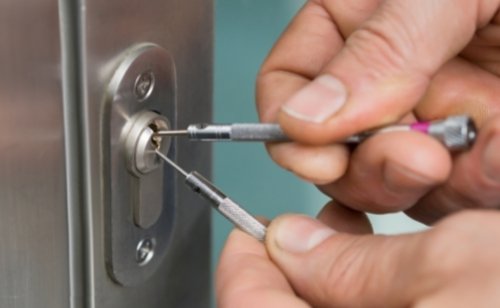
This isn't a guide for criminals. It's for curious homeowners, locksport hobbyists, and anyone who wants to understand exactly how vulnerable a standard pin tumbler lock really is. Once you see how quickly a cheap lock yields to two bent paperclips, you'll make smarter choices about what's actually protecting your front door.
Let's walk through it — step by step, myth by myth, and dollar by dollar.
Contents
When It's OK to Pick a Lock — and When It's Absolutely Not
Before you bend a single paperclip, understand the legal line. Picking a lock you don't own is a crime in most jurisdictions — full stop. But there are genuinely legitimate situations where picking is not just acceptable, it's the smart move.
Situations Where You're in the Clear
- You're locked out of your own home and don't want to pay a $150 emergency locksmith call at midnight.
- You own the lock outright and are practicing on your workbench — not on any door currently in use.
- You're a locksport hobbyist competing in or preparing for a sanctioned event.
- You have written permission from the property owner — a landlord, employer, or family member.
- You're doing a personal security audit — deliberately testing each lock in your home to find weak points.
Warning: Picking a lock you don't own — even as a favor for someone who claims they're locked out — can result in a criminal charge. Always verify ownership or get written permission first.
When You Should Stop and Call a Locksmith
There are situations where putting the paperclip away is the right call — not just legally, but practically.
- You've been working on a lock for more than 15–20 minutes and it's not moving. You're probably damaging the keyway.
- The lock is a high-security deadbolt with security pins. Paperclips won't get you far and you risk snapping one inside the cylinder.
- It's a rental property and you haven't informed the landlord or property manager.
- You're locked out of any property that isn't yours — vehicle, office, storage unit. Call a pro.
The $100–$200 locksmith fee is painful. A criminal record for unlawful entry is far worse. Know the difference.
What You'll Need and What It'll Cost You
The appeal of paperclip lock picking is that the barrier to entry is essentially zero. The tools are already in your desk drawer, and the technique applies directly to the most common lock type in residential homes.
The Two-Paperclip Setup
You need exactly two standard steel paperclips. Plastic-coated ones are too soft and will bend under keyway pressure before you get any useful feedback. Here's how to shape each one:
- Tension wrench: Partially unfold one paperclip, leaving about 1 cm still bent at a right angle at one end. This short L-shape goes into the bottom of the keyway and applies rotational pressure to the cylinder.
- Pick: Fully unfold the second paperclip. At the very tip, bend a small upward hook — no more than 2–3 mm. This end will press up on the lock's internal pins.
Both tools need to hold their shape under light finger pressure. If either flexes immediately, use a heavier paperclip or substitute a bobby pin for the tension wrench.
Cost Comparison: Paperclip vs. Pick Tools vs. Locksmith
| Tool Option | Approximate Cost | Best For | Skill Level Needed |
|---|---|---|---|
| Two standard paperclips | $0 (you already own them) | Emergency lockouts, basic practice | Beginner |
| Entry-level pick set (6–8 pieces) | $10–$20 | Regular practice, multiple lock types | Beginner–Intermediate |
| Mid-range pick set (15–20 pieces) | $30–$60 | Deadbolts, padlocks, security pins | Intermediate |
| Professional pick set (30+ pieces) | $80–$200 | High-security locks, locksport competition | Advanced |
| Emergency locksmith call | $75–$200+ | Any situation — zero skill required | None |
For a one-time emergency, two bent paperclips win on cost. For anyone serious about the skill, a $15 pick set from any online retailer will outperform paperclips significantly within a few practice sessions.
How to Pick a Lock with a Paperclip: The 5-Step Method
Standard pin tumbler locks are the target here. These are found on the vast majority of residential front doors, interior knob locks, and basic padlocks. They work by stacking pairs of pins (key pins and driver pins) inside small chambers. The key's ridges push each pin stack to the exact height where the gap between each pair lines up with the cylinder's shear line — allowing the cylinder to rotate. Your paperclip pick replicates that same action, pin by pin.
Preparing Your Tools
Spend two minutes shaping your tools properly. A poorly formed tension wrench is the single biggest reason beginners fail.
- The L-bend on the tension wrench should be short and rigid — it sits in the bottom millimeter of the keyway and must not wobble.
- The hook on the pick should be a gentle upward curve, not a sharp 90-degree bend. Too sharp and it will catch on the keyway walls instead of moving freely past the pins.
- Test both tools: press each gently against a hard surface. Neither should flex visibly under light pressure.
The Picking Process
- Insert the tension wrench into the bottom of the keyway. Apply very light rotational pressure in the direction the key would turn. Think of it as the pressure you'd use to tap a phone screen — not to press a button. Too much tension is the most common beginner mistake.
- Insert the pick above the tension wrench. Slide the hooked tip into the upper part of the keyway. Move it gently toward the back of the lock. You should feel small pin stacks above you — light bumps as the hook passes under each one.
- Find the binding pin. With light tension applied, one pin will feel noticeably stiffer than the others. That stiffness means the cylinder's slight rotation is pressing the driver pin against that chamber wall. This is your binding pin — start here.
- Set the binding pin. Push the pick up against that pin until you feel a faint click and a tiny rotation in the cylinder. That means the driver pin has cleared the shear line and the key pin is holding it in place. Do not release tension — doing so resets every pin you've set so far.
- Work through each remaining pin. After setting the first, a new pin becomes the binder. Repeat the process — find the stiffest pin, push it up, feel the click. When the last pin sets, the cylinder rotates fully and the lock opens.
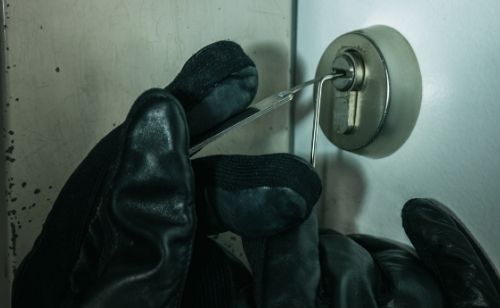
Pro tip: If you've been working for two minutes and nothing is clicking, you're applying too much tension. Release completely, breathe, and start over with noticeably lighter pressure on the wrench. This fixes the problem 90% of the time.
Patience wins here more than technique does. Rushing causes you to over-torque the tension wrench, which freezes the pins and makes picking impossible. Slow, deliberate pressure beats fast and aggressive every time.
5 Lock-Picking Myths You Need to Stop Believing
Lock picking's reputation comes almost entirely from movies and TV. The reality is more nuanced — and more interesting.
Myth: Any Lock Opens in Seconds
This is partly true and mostly false. A cheap interior doorknob lock — the kind on most bedroom and bathroom doors — can fall in under 60 seconds with a few hours of practice. But as the mechanics of lock picking make clear, high-security locks with security pins (spool pins, serrated pins, mushroom pins) are a completely different challenge. The time varies based on:
- Lock quality and how tightly the cylinder is machined
- Whether security pins are installed
- The picker's experience level with that specific lock type
- Quality of the tension wrench — this matters more than the pick itself
A Grade 1 deadbolt with spool pins will resist a paperclip indefinitely for most beginners. That's the point — better locks require better tools and significantly more skill.
Myth: This Only Works on TV
It works. That's the uncomfortable reality for homeowners. A standard Grade 3 residential lock — which is what ships on many pre-hung doors from big-box hardware stores — can be single-pin picked with a paperclip in under 90 seconds by someone who's practiced for just a few hours. Grade 3 is the lowest security rating. Millions of homes are protected by exactly these locks right now.
- Grade 1 deadbolts are meaningfully harder and should be the minimum on any exterior door.
- Smart locks with no physical keyway cannot be picked at all — picking requires a keyhole to work in.
- Bump-resistant locks add real friction to the process and stop casual attempts cold.
Real Situations Where This Skill Actually Pays Off
Knowing how to pick a lock with a paperclip isn't just a party trick. These are the scenarios where it has genuine practical value.
The Classic Lockout Scenario
You're standing outside at 11pm. Your key is sitting on the kitchen counter. A locksmith wants $175 for an emergency call and won't arrive for 45 minutes. This is exactly the situation this skill was built for — provided it's your own door.
- Works best on interior knob locks and older, lower-grade exterior locks.
- If you have a deadbolt, paperclip picking is harder — see our dedicated guide on how to pick a deadbolt lock for that scenario specifically.
- Give yourself a 10-minute limit. If nothing is moving by then, you risk damaging the lock's keyway and making the locksmith's job — and the bill — worse.
Auditing Your Own Home Security
This is the most underrated reason to learn this skill. Spend 15 minutes trying to pick every exterior and interior lock in your home. If you open one in under two minutes, that lock needs to be replaced before you trust it to protect anything.
- Every exterior door should have at minimum a Grade 1 deadbolt.
- If the padlock on your shed or fence gate pops in 30 seconds, swap it out — our guide to 8 types of padlocks breaks down which designs actually resist picking and which are just decorative.
- Interior locks on home offices or rooms where valuables are stored deserve the same scrutiny as front doors.
Security insight: The goal isn't to become a skilled lock picker. It's to identify which of your locks would fail in the first 60 seconds — so you can replace them before someone else makes that discovery for you.
The Honest Pros and Cons of Learning Lock Picking
Is this skill worth your time? Here's a direct answer with no hedging.
The Upside
- Emergency self-sufficiency — you can regain access to your own home without calling or paying anyone.
- Security awareness — you'll see every lock differently. You'll upgrade weak ones instead of assuming they're fine because they have a keyhole.
- It feeds directly into making better buying decisions — understanding lock vulnerabilities makes you a smarter shopper when choosing deadbolts, padlocks, or smart locks.
- The entry cost is literally zero — two paperclips and 20 minutes of practice is the entire barrier.
- It's a legitimate hobby with an active global community, online forums, and real competitions (locksport).
The Downside
- Paperclips are unreliable tools. They bend, slip, and give inconsistent tactile feedback compared to purpose-made picks.
- This technique does not work on modern high-security locks — which, again, is a feature, not a bug. Resistance to paperclip picking is exactly what you should expect from a quality lock.
- The skill creates a false sense of confidence. Opening a cheap practice lock and opening a Grade 1 deadbolt are completely different challenges that don't transfer directly.
- Owning lock-pick tools is illegal in certain states and countries even without criminal intent — check local laws before buying a pick set.
The bottom line: learn it for awareness and emergencies. Don't rely on it as a backup entry method — rely on a spare key with a trusted neighbor instead. And if your home audit turns up weak locks, use what you've learned to upgrade intelligently. If you want to eliminate the picking vulnerability entirely, look into whether smart locks are actually safe — removing the physical keyway removes the attack surface completely.
The best reason to learn how to pick a lock is to find out which of your locks deserves to be replaced — before someone else finds out first.


About Vincent Foster
Greetings, This is Tom Vincent. I’m a home Security Expert and Web developer. I am a fan of technology, home security, entrepreneurship, and DIY. I’m also interested in web development and gardening. I always try to share my experience with my reader. Stay Connected and Keep Reading My Blog. Follow Me: Facebook, Twitter, Pinterest
Now you can get FREE Gifts. Or latest Free Security Cameras here.
Disable Ad block to reveal all the gifts. Once done, hit a button below