When it comes to the PTZ camera vs bullet camera debate, here's the direct answer: PTZ cameras offer flexible, wide-area surveillance with remote pan, tilt, and zoom control, while bullet cameras deliver focused, long-range monitoring in a fixed direction at a lower price point. Both are effective — but the right choice depends entirely on where and how you plan to use them. For a quick side-by-side reference, start with our PTZ vs bullet camera comparison guide before diving into the details below.
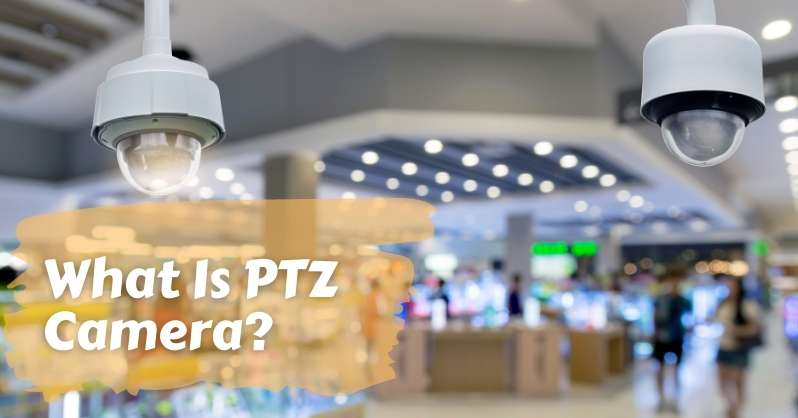
PTZ stands for Pan, Tilt, and Zoom. These cameras can rotate horizontally, tilt vertically, and optically zoom in on subjects — either manually through an app or automatically via motion tracking. Bullet cameras are fixed-position devices shaped like a cylinder or tube, built to monitor one defined zone with sharp, uninterrupted clarity. If you've been shopping for outdoor PTZ security cameras, you've probably already noticed the price gap between the two types.
Choosing between them isn't just about budget. It's about understanding your property layout, your monitoring goals, and how much flexibility you actually need. This guide covers both camera types from every relevant angle — strengths, costs, setup requirements, and the situations where each one genuinely excels.
Contents
- Strengths and Weaknesses of Each Camera Type
- Breaking Down the Cost of PTZ vs Bullet Cameras
- What You Need to Set Up Either Camera
- Mistakes Homeowners Make When Choosing a Camera
- PTZ and Bullet Camera Myths Worth Clearing Up
- PTZ Camera vs Bullet Camera: Which One Belongs Where
- How to Choose and Set Up the Right Camera for Your Home
- Frequently Asked Questions
- Final Thoughts
Strengths and Weaknesses of Each Camera Type
No camera type wins across every scenario. The PTZ vs bullet camera comparison really comes down to trade-offs — and knowing those trade-offs up front saves you from a costly swap-out later.

PTZ Camera Advantages
- Wide-area coverage: A single PTZ camera can monitor large open spaces — driveways, parking areas, backyards — by rotating and zooming as needed.
- Remote control via smartphone or NVR interface lets you redirect the view without touching the hardware.
- Auto-tracking features lock onto moving subjects and follow them across the frame.
- One PTZ camera can sometimes replace two or three fixed cameras, reducing total hardware costs on large properties.
Bullet Camera Advantages
- Sharper long-distance detail: Fixed optics with no mechanical parts deliver consistently crisp images at a set focal length.
- Lower price point — quality bullet cameras start well below comparable PTZ units.
- Simpler setup with fewer components to configure or calibrate.
- The visible, directional form factor acts as a deterrent — intruders know exactly what's being watched.
- No moving parts means fewer mechanical failure points over time.
Where Each Type Falls Short
PTZ cameras introduce mechanical complexity. Motors that control pan, tilt, and zoom can wear out — especially in budget models used in high-activity zones. They also require more configuration to set up patrol routes or auto-tracking zones correctly.
Bullet cameras have a fundamental limitation: they can't adjust without physical remounting. If your coverage needs change — you add a fence, a new entry point, or want to shift the angle — you're back on a ladder. They also have obvious blind spots outside their fixed field of view.
Breaking Down the Cost of PTZ vs Bullet Cameras
Budget is one of the biggest deciding factors for most homeowners. Here's a realistic look at what each camera type costs at different tiers.
Entry-Level Options
At the low end, bullet cameras cost between $30 and $80 each. Entry-level PTZ cameras start around $80 to $150. For a basic two-camera setup covering a front door and driveway, bullet cameras are the clear budget winner.
Mid-Range and Premium
Mid-range bullet cameras ($100–$200) offer 4K resolution, color night vision, and AI motion detection. Mid-range PTZ cameras ($200–$500) add optical zoom up to 20x, auto-tracking, and weather resistance. Premium PTZ units used in commercial installs can exceed $1,000.
Hidden Costs to Factor In
Purchase price is only part of the equation. Factor in:
- Professional installation: $75–$200 per camera for PTZ; less for bullet due to simpler mounting
- NVR or DVR recorder compatibility (PTZ cameras often require specific NVR support)
- Cloud storage or subscription fees — worth checking our guide to home security cameras without a subscription if you want to avoid ongoing fees
- Replacement motors and maintenance for PTZ units used heavily outdoors
| Feature | Bullet Camera | PTZ Camera |
|---|---|---|
| Entry-level price | $30–$80 | $80–$150 |
| Mid-range price | $100–$200 | $200–$500 |
| Typical field of view | 80°–110° fixed | Up to 360° pan |
| Optical zoom | None or fixed | 4x–30x |
| Installation complexity | Low | Medium to High |
| Moving parts / maintenance | None | Yes — motors |
| Best for | Entry points, driveways | Large open areas, parking lots |
What You Need to Set Up Either Camera
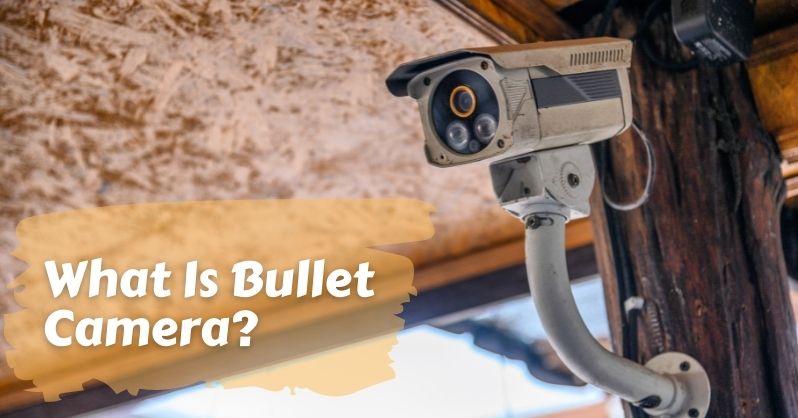
Both camera types share some basic installation needs, but PTZ cameras add a few extra requirements that can catch first-timers off guard.
PTZ Camera Setup Requirements
- PTZ-compatible NVR or DVR (not all recorders support pan/tilt control)
- RS-485 cable or PoE+ connection for control signals (standard PoE may not supply enough power)
- Mounting bracket rated for the camera's weight — PTZ units are heavier
- Software or app access for programming patrol routes, presets, and auto-tracking zones
- A sturdy mounting surface — vibration affects image quality during motor movement
Bullet Camera Setup Requirements
- Standard PoE switch or power adapter
- Basic NVR or DVR (most are compatible)
- Wall or soffit mount bracket (usually included)
- Conduit or cable clips for routing the cable cleanly
Bullet cameras are genuinely DIY-friendly for most homeowners. If you're comfortable running cable and drilling into siding, you can handle the install yourself. PTZ cameras benefit from professional setup, particularly when programming auto-tracking behavior and preset positions.
Pro tip: Before mounting any camera, use painter's tape to mark the proposed field of view on the ground — it reveals blind spots you'd otherwise discover only after the hardware is already in the wall.
Mistakes Homeowners Make When Choosing a Camera
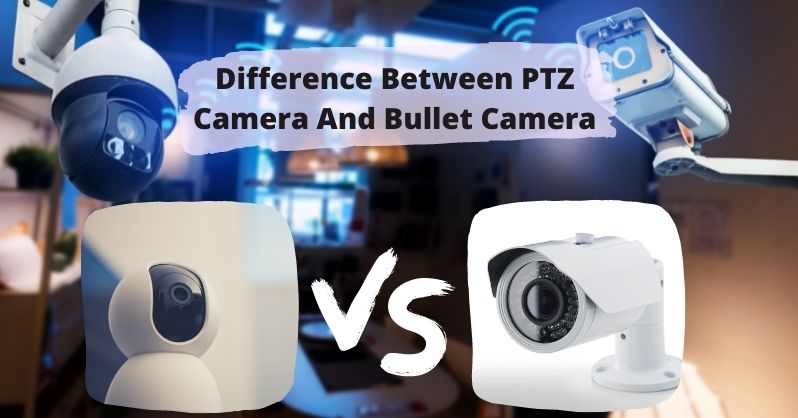
Overestimating PTZ Coverage
A PTZ camera can cover a large area — but only one zone at a time. When the camera is pointing east, the west is unmonitored. Many homeowners assume a single PTZ replaces a full multi-camera system, then discover the gap when reviewing footage after an incident. PTZ cameras work best as a complement to fixed cameras, not as a complete replacement.
According to Wikipedia's overview of CCTV systems, effective surveillance systems typically combine multiple camera types and angles to eliminate blind spots — something a single PTZ unit cannot achieve on its own.
Underestimating Bullet Camera Range
Bullet cameras with varifocal lenses can cover surprisingly long distances — sometimes 100 feet or more with clarity. Homeowners often buy multiple cameras when one properly positioned varifocal bullet camera would have done the job. Before purchasing, check the camera's stated detection range and match it to your actual distances. You might also want to review how to hide a security camera in plain sight if discreet placement matters to your setup.
PTZ and Bullet Camera Myths Worth Clearing Up
Myth: PTZ Cameras Are Always the Smarter Buy
PTZ cameras impress on spec sheets, but they're not universally superior. For a front door, a narrow corridor, or a defined entry point, a $60 bullet camera outperforms a $400 PTZ unit. You're paying for movement and flexibility you'll never use. More capability only matters when your situation actually requires it.
Myth: Bullet Cameras Only Cover One Narrow Line
Most modern bullet cameras have wide-angle lenses — typically 80° to 110° horizontal field of view. Some models include a slight adjustable tilt at the mount point, giving you a bit of fine-tuning. The "narrow tube" perception is outdated. A well-placed bullet camera can cover an entire driveway or backyard perimeter effectively. Pairing your cameras with motion-activated security spotlights further extends your coverage after dark without adding another camera.
PTZ Camera vs Bullet Camera: Which One Belongs Where
When to Choose a PTZ Camera
A PTZ camera makes sense when:
- You have a large, open area — a big backyard, a parking lot, or an acreage property
- You need to actively monitor and track moving subjects in real time
- You want one camera to cover multiple zones through scheduled patrol routes
- You're already running a full NVR system and adding PTZ as a complement to fixed cameras
- Budget allows for higher upfront cost and occasional maintenance
When to Choose a Bullet Camera
A bullet camera is the better fit when:
- You're monitoring a specific, well-defined area — an entry door, a gate, a driveway lane
- Budget is a priority and you need reliable coverage without overspending
- DIY installation is the goal — bullet cameras require minimal technical knowledge
- You want a visible deterrent with a clear, obvious sightline
- You need long-term reliability with no moving parts to service
If you're building out a complete home security system, combining both types is a legitimate strategy. Use bullet cameras at fixed entry points and a PTZ for your largest open zone. Pair that with smart locks and a solid perimeter plan — you can find more foundation-building advice in our guide on how to burglar-proof your home.
How to Choose and Set Up the Right Camera for Your Home

Step 1: Assess Your Property
Walk your property perimeter and identify every potential entry point and vulnerability. Note which areas are wide and open versus narrow and defined. Open zones — side yards, large driveways, rear lawns — favor PTZ. Defined choke points — front doors, gates, garage entries — favor bullet cameras. Sketch a rough layout or use satellite view in Google Maps to mark camera positions before purchasing anything.
Step 2: Match Camera to Use Case
With your layout in hand, assign a camera type to each position:
- Front door, back door, garage entry → bullet camera
- Large backyard, driveway loop, side lot → PTZ camera
- Corner positions needing 180° coverage → PTZ or wide-angle bullet
- Long fenceline or perimeter edge → varifocal bullet with 50–100ft range
Also consider whether you want local storage or cloud backup. Many homeowners overlook ongoing subscription costs — our overview of cameras without subscription fees is worth a read before you commit to a system.
Step 3: Installation Tips
For bullet cameras, mount at 8–10 feet high and angle slightly downward. This gives you face-level detail on approaching subjects without the camera being easily grabbed or redirected. Ensure the cable entry point is sealed against moisture.
For PTZ cameras, choose a corner or elevated central position that maximizes the rotation arc. Program at least three to five preset positions covering your highest-priority zones. Enable auto-tracking only if your camera's AI is reliable — poorly tuned tracking wastes recording bandwidth on waving tree branches. And always keep firmware updated; PTZ cameras with network access can be vulnerable if neglected. For context on broader security camera risks, our piece on whether security systems can be hacked covers what to watch for.
Frequently Asked Questions
What is the main difference between a PTZ camera and a bullet camera?
A PTZ camera can pan, tilt, and zoom — giving you dynamic, adjustable coverage over wide areas. A bullet camera is fixed in one direction, offering sharp, reliable coverage of a specific zone. PTZ cameras are more flexible; bullet cameras are simpler and more affordable.
Can a single PTZ camera replace multiple bullet cameras?
Partially. A PTZ camera can monitor a large area through patrol routes and auto-tracking, but it only looks in one direction at a time. If an event occurs while the camera is pointing elsewhere, it may be missed. For complete coverage, pairing PTZ with fixed cameras is more reliable than relying on PTZ alone.
Are bullet cameras good for outdoor use?
Yes. Most bullet cameras are built specifically for outdoor use with weather resistance ratings of IP66 or higher. Their elongated housing provides natural sun and rain shielding for the lens, which is one reason they've been a go-to outdoor option for decades.
Do PTZ cameras require professional installation?
Not always, but it helps. Basic PTZ mounting is manageable for a confident DIYer, but programming patrol routes, auto-tracking zones, and NVR integration benefits from professional setup — especially on systems with multiple cameras. Incorrect configuration is the most common reason PTZ cameras underperform.
Which camera type has better night vision?
Night vision quality depends on the specific model, not the camera type. Both bullet and PTZ cameras come with IR night vision, and higher-end versions of both support color night vision using ambient light. In general, fixed bullet cameras maintain more consistent night image quality since there are no moving components affecting lens alignment.
How long do PTZ camera motors typically last?
In typical residential use with moderate movement, PTZ motor mechanisms can last five to ten years. Heavy continuous use — like 24/7 patrol rotation — shortens that lifespan. Buying from reputable brands and avoiding budget no-name models significantly improves long-term reliability.
Is a bullet camera or PTZ camera better for a home driveway?
For most residential driveways, a bullet camera is the better choice. Driveways are defined, linear spaces where a fixed camera with a varifocal lens captures license plates and faces reliably. A PTZ camera offers more capability than a typical driveway requires, at a higher cost and greater setup complexity.
Final Thoughts
The PTZ camera vs bullet camera choice doesn't have to be complicated — assess your property, identify your specific coverage gaps, and match the camera type to the job. If you're ready to start building or upgrading your home security setup, browse our full roundup of top outdoor PTZ security cameras or explore our home burglar-proofing guide to see how cameras fit into a complete security plan.


About Vincent Foster
Greetings, This is Tom Vincent. I’m a home Security Expert and Web developer. I am a fan of technology, home security, entrepreneurship, and DIY. I’m also interested in web development and gardening. I always try to share my experience with my reader. Stay Connected and Keep Reading My Blog. Follow Me: Facebook, Twitter, Pinterest
Now you can get FREE Gifts. Or latest Free Security Cameras here.
Disable Ad block to reveal all the gifts. Once done, hit a button below