Installing a mailbox lock is a quick DIY job — most people finish in under 30 minutes with just a screwdriver and a wrench. If you want to know how to install a mailbox lock, this guide walks you through every step, from pulling out the old cylinder to testing your new lock. Protecting your mail starts here, and it's easier than you might expect. For a broader look at keeping your mail safe, visit our mailbox security guides.
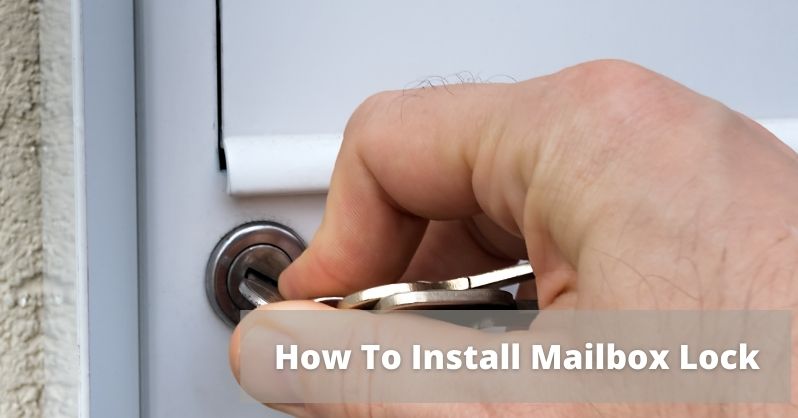
Mail theft is a bigger problem than most homeowners realize. The U.S. Postal Inspection Service handles thousands of mail theft complaints every year — and an unlocked or broken mailbox is a standing invitation. Replacing your mailbox lock is one of the cheapest and most effective things you can do to close that gap.
If you're still shopping for the right unit, check out our picks for the 6 best residential locking mailboxes before you commit to a lock type. Already have a mailbox? Keep reading — the steps below are what you need.
Contents
What You Need Before You Start
Gathering the right parts before you begin saves you from stopping halfway through. Mailbox locks aren't universal — the cylinder diameter and cam length vary by brand and model. Take two minutes to identify your mailbox type before you head to the hardware store.
Types of Mailbox Locks
Here's a quick comparison of the most common mailbox lock types you'll encounter:
| Lock Type | Best For | Key Feature | Approx. Cost |
|---|---|---|---|
| Cam Lock (T-turn) | Standard residential mailboxes | Simple cylinder, quarter-turn operation | $5–$15 |
| Tubular Lock | Higher-security or commercial units | Circular key, more resistant to picking | $15–$35 |
| Disc Detainer Lock | Heavy-duty outdoor mailboxes | Resistant to drilling and picking | $20–$50 |
| Keyed Padlock | Mailboxes with a hasp latch | Removable, weather-resistant options available | $8–$25 |
Most residential mailboxes use a cam lock with a 5/8-inch or 3/4-inch cylinder diameter. If you're unsure of your size, bring the old cylinder to the store — it's the fastest way to get an exact match. A mismatched cam won't latch the door, so this step matters.
Tools for the Job
You don't need anything specialized. Here's what to have ready:
- Phillips head or flathead screwdriver (varies by mailbox brand)
- Adjustable wrench or small pliers
- Replacement lock cylinder with keys included
- Retaining nut or clip (usually packaged with the new lock)
- Needle-nose pliers for tight spaces (optional but handy)
The overall concept is similar to replacing a door lock — just smaller. If you've ever worked through a guide on how to install a deadbolt lock on a door, you'll find this noticeably simpler and faster.
How to Install a Mailbox Lock, Step by Step
These steps cover the most common setup: a wall-mounted or post-mounted residential mailbox with a standard cam lock. The same basic process applies to most other configurations with minor adjustments.
Removing the Old Lock
- Open the mailbox door. Use your existing key if the lock still turns. If the lock is broken and won't open, you may need to manually rotate the cam inside with a flathead screwdriver. Our guide on how to pick a mailbox lock without a key walks through that specific situation in detail.
- Find the retaining hardware. With the door open, look at the inside face of the door panel. You'll see either a retaining nut (threaded onto the back of the cylinder) or a small retaining clip seated in a groove around the cylinder shaft.
- Remove the retainer. For a nut, turn it counterclockwise with your wrench until it comes off. For a clip, use needle-nose pliers to squeeze and slide it free. Set both aside — some replacement locks reuse the original retainer.
- Pull the cylinder out from the front. Once the retainer is off, the cylinder slides straight out through the hole in the door face. Compare it to your replacement to confirm you have the right size before continuing.
Pro tip: Before tossing the old cylinder, take it to the hardware store to match the diameter and cam length exactly — a cam that's even slightly too short or long won't engage the door latch reliably.
Fitting and Securing the New Lock
- Insert the new cylinder from the front. Slide the cylinder into the hole from the outside face of the door. Make sure the cam — the rotating tab on the back — is oriented correctly. On most mailboxes, the cam points down when the door is locked.
- Reattach the retaining hardware. Thread the retaining nut on by hand first, then snug it down with your wrench. Don't crank it tight — you just want it firm enough that the cylinder doesn't spin freely. If your lock uses a clip, press it firmly into its groove until it seats.
- Test the lock before closing. Insert the new key and turn it both ways several times. The cam should rotate cleanly without binding. Confirm the door latch engages and releases as expected.
- Do a final test with the door closed. Lock and unlock the door from outside a few times. If the door doesn't latch, the cam may need to be repositioned — most cams can be moved to a different notch on the cylinder shaft with a small flathead screwdriver.
Total time: 15 to 20 minutes once you have the right parts. Total cost for a standard cam lock replacement: usually under $20.
Simple Upgrades Worth Making While You're at It
A new lock gets you most of the way there. A few small extras — some of them free — can push your mailbox security further without much effort.
Signs It's Time to Replace Your Lock
Not every worn lock needs the same response. Here's how to read what you're dealing with:
- Sticky or stiff key action — internal pins are worn; replacement is the cleanest fix
- Key turns but cam doesn't catch — the cam itself is bent or the spring is gone
- Visible damage, scratches, or drill marks around the cylinder — someone may have already tampered with it
- Lost keys — even if the lock still works, install a new cylinder with fresh keys
- Keys that turn with almost no resistance — the pins are stripped and the lock is no longer secure
It's also worth knowing that basic cam locks are among the easiest lock types to bypass. Understanding the mechanics — which our article on picking a mailbox lock explains clearly — helps you choose a more resilient replacement if your current setup feels flimsy.
Extra Layers of Protection
Your mailbox lock works best as part of a broader approach to front-of-home security:
- Upgrade to a hardened-cylinder cam lock with anti-pick pins if you live in a higher-theft area
- Place a security camera so it covers both your mailbox and your front walkway — our guide on how to burglar-proof your home covers placement and other low-cost deterrents
- Consider a smart lock on your front door to add remote monitoring for your entryway as a whole
- Use USPS Hold Mail when you travel so mail doesn't pile up as a signal that nobody's home
Warning: Leaving mail sitting in an unlocked or broken mailbox overnight is one of the most common ways checks, financial statements, and identity documents get stolen — make same-day mail retrieval a habit.
Real-World Mailbox Scenarios and What Works
The steps above cover the standard case. But your setup might have a wrinkle or two depending on where you live and what type of mailbox you have.
Standard Residential Mailboxes
Curbside and wall-mounted mailboxes from common brands like Salsbury, Step2, or Gibraltar all use standard cam lock cylinders. Replacement parts are widely available at hardware stores, home improvement chains, and online.
One thing to watch for: some older or off-brand mailboxes use non-standard cylinder diameters — 7/8 inch being one example that's harder to find on store shelves. In that case, search your mailbox model number online or contact the manufacturer directly for a matching replacement.
The hands-on skills you build here carry over to other projects around the house. Installing a mailbox lock uses the same kind of cylinder-and-retainer logic as securing cabinets and drawers with locks, and the door-hardware confidence you gain makes bigger jobs like installing a door closer feel more approachable.
Cluster and Apartment Mailboxes
Cluster mailbox units (CBUs) — the multi-unit metal panels common in apartment complexes and newer subdivisions — are a different situation. These units are owned and maintained by the U.S. Postal Service, which means you are not allowed to replace or modify the lock yourself. If your CBU lock is broken or missing, contact your local post office or USPS customer service to request a repair.
If you rent an apartment with individual mailboxes in a lobby or hallway, check with your property manager before changing anything. Many landlords and building managers hold master keys for those locks and need to approve or manage any cylinder swap.
For mailboxes that use electronic or combination locks — increasingly common in newer construction — the process is much closer to changing the code on an electronic door lock than a physical cylinder replacement. Always refer to the manufacturer's documentation for those units before disassembling anything.
Key Takeaways
- You can complete a standard mailbox lock installation in under 30 minutes using only basic hand tools and a replacement cylinder that costs less than $20.
- Always match the cylinder diameter and cam length before buying — a mismatched cam will prevent the door from latching correctly.
- Cluster mailbox units (CBUs) belong to USPS — if yours is broken, call your local post office rather than replacing the lock yourself.
- Pairing a new lock with a front-facing camera and same-day mail retrieval gives you a much stronger overall defense against mail theft.


About Vincent Foster
Greetings, This is Tom Vincent. I’m a home Security Expert and Web developer. I am a fan of technology, home security, entrepreneurship, and DIY. I’m also interested in web development and gardening. I always try to share my experience with my reader. Stay Connected and Keep Reading My Blog. Follow Me: Facebook, Twitter, Pinterest
Now you can get FREE Gifts. Or latest Free Security Cameras here.
Disable Ad block to reveal all the gifts. Once done, hit a button below