The Addalock portable door lock works by inserting a metal shackle into your door's existing strike plate, then bracing a flat bar flush against the door face — blocking the latch from retracting and preventing anyone from opening the door from the outside, even with a key. That's the core of how addalock portable door lock works, and it's brilliantly simple. No installation, no tools, no permanent modifications. You slide it in, flip the bar, and you're protected. It pairs well with a layered security approach — if you're exploring full home setups, start with our camera reviews to see what else rounds out a solid system.
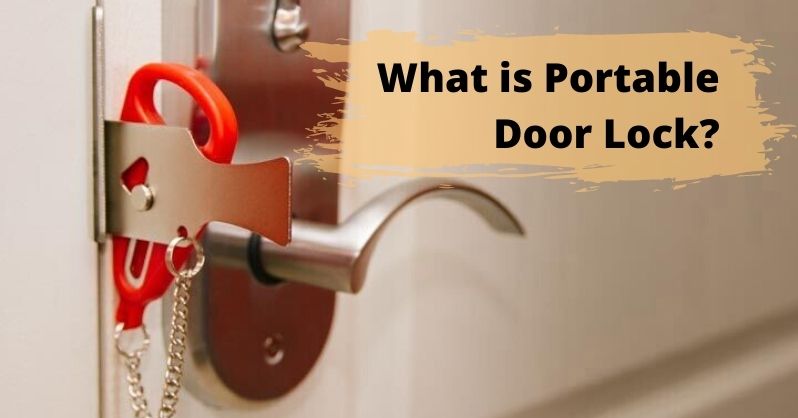
The Addalock is a travel-sized device that weighs less than two ounces and fits in any pocket or bag. It works on inward-opening doors with a standard strike plate — the metal plate mounted in your door frame that the latch slides into. That covers the vast majority of hotel rooms, Airbnbs, dorm rooms, and most interior residential doors across the United States.
You don't need to be a security expert to use it. The mechanism is mechanical, not electronic, so there are no batteries to die and no app to configure. According to Wikipedia's overview of door security, passive mechanical barriers remain among the most reliable first lines of defense — and the Addalock fits squarely in that category.
Contents
How Addalock Portable Door Lock Works: Step by Step
Understanding the mechanism makes you a smarter user — and helps you spot the rare situations where it won't perform as advertised.
The Two Key Components
The Addalock has exactly two parts:
- The shackle — a small U-shaped or flat metal piece that inserts into the strike plate hole in your door frame.
- The flat bar — a hinged arm that folds down and presses flush against the interior face of the door once the shackle is in position.
These two pieces work together to create a physical block. When the bar is engaged, the door cannot swing open inward because the bar is wedged between the door face and the strike plate edge. No key, no card, no amount of pushing from outside can disengage it from the outside.
Installing It in Seconds
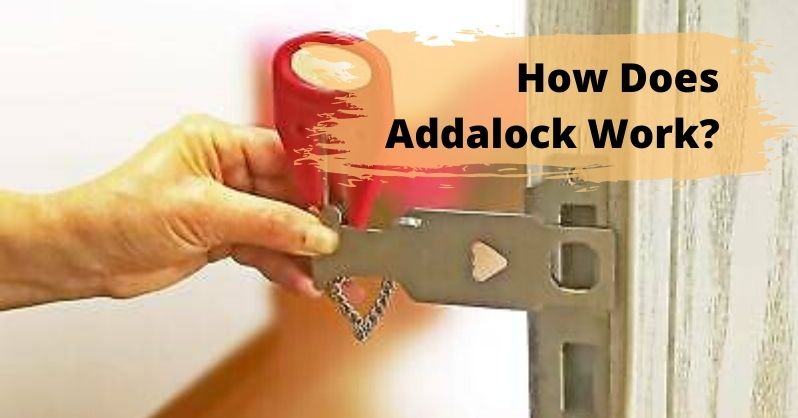
Here's exactly how you use it:
- Close the door from the inside. Make sure it's fully latched.
- Locate the strike plate — the metal plate in the door frame where your latch bolt sits when the door is closed.
- Insert the shackle into the strike plate hole. It slides in just like the latch bolt does, but from the inside.
- Rotate or fold down the flat bar so it rests against the door's interior face, perpendicular to the shackle.
- Test it. Try pushing the door from the outside. It won't move.
To remove it, simply lift the bar back up and pull the shackle out. The whole process takes about five seconds once you've done it once. If you ever run into general door hardware issues while traveling, resources like our guide to common door lock problems can help you troubleshoot on the spot.
Pro tip: Practice at home before your first trip — the motion becomes muscle memory fast, and you won't fumble with it at midnight in an unfamiliar room.
Door Compatibility
The Addalock works on most standard inward-swinging doors. Here's what you need:
- A door that opens inward (toward you when you're inside)
- A standard strike plate with an exposed hole or slot
- The strike plate must be at approximately door-knob height (which most are)
It does not work on outward-swinging doors, sliding doors, or doors without a strike plate. For sliding door security, see our guide on how to replace a sliding door handle and lock for alternative options.
Common Myths About Portable Door Lock Security
There's a lot of bad information floating around about what the Addalock can and can't do. Let's set the record straight.
Myth: Hotel Deadbolts Are Enough
Hotel deadbolts and chain latches offer a basic layer of security — but they have real limitations. Hotel staff carry master keys. Maintenance workers can enter without warning. In some older properties, the chain latch hardware is loose or poorly anchored. A deadbolt alone doesn't guarantee privacy or safety.
The Addalock adds a second layer that requires no trust in the building's key management system. It's purely mechanical and under your control. For a deeper dive into permanent home lock improvements, our guide on how to install a deadbolt lock walks through everything you need to know about reinforcing your main entry.
Myth: It Replaces a Proper Lock
The Addalock is a supplement, not a substitute. It doesn't replace a quality deadbolt, a reinforced strike plate, or a solid-core door. Think of it as a seatbelt for your door — you still need the rest of the car to be safe. For a well-rounded home security plan, read our guide on how to burglar-proof your home to see how portable locks fit into the bigger picture.
Other myths worth dismissing quickly:
- "It'll damage my door frame." — It won't. It uses the existing strike plate hole and applies no stress to the frame.
- "It's illegal to use in hotels." — It's not. You have a legal right to use portable security devices in any room you're occupying.
- "It can be defeated with a credit card." — No. A credit card bypasses a spring latch. The Addalock blocks the door from opening regardless of latch state.
Mistakes That Make Your Addalock Less Effective
Even a great tool fails when used incorrectly. Avoid these common errors.
Using It on the Wrong Door Type
The most frequent mistake is trying to use an Addalock on an outward-swinging door. If your door swings away from you when you pull it open, the Addalock can't engage correctly. Same issue applies to pocket doors and barn-style sliders.
Before you rely on any portable lock, verify your door type. If you frequently deal with doors that have unusual hardware or locking issues, our article on how to fix a door lock that won't turn covers the most common mechanical failures and how to address them.
Ignoring a Loose Strike Plate
If the strike plate in a hotel or Airbnb is loose — rattling, bent, or only partially anchored — the Addalock's grip is weakened. A solid shove could pull a poorly mounted strike plate right out of the frame, taking your lock with it.
Warning: Always tug the strike plate gently before relying on the Addalock — if it moves or wobbles, pair your Addalock with a spring door stopper braced against the floor for added resistance.
Other mistakes to avoid:
- Forgetting to test it after installation. Always do a quick push-test before you settle in.
- Relying on it for exterior doors at home without also having a deadbolt engaged.
- Lending it to someone and not getting it back — these things are small and easy to lose.
- Assuming it works with all strike plate styles. Some European-style plates have different slot dimensions.
Addalock vs. Other Portable Security Options
The Addalock isn't the only portable lock on the market. Knowing where it stands helps you choose the right tool for each situation.
Quick Comparison Table
| Device | Mechanism | Door Types | Weight | Price Range | Best For |
|---|---|---|---|---|---|
| Addalock | Strike plate shackle + bar | Inward-swinging only | ~1.6 oz | $20–$30 | Travel, hotels, Airbnb |
| Door Barricade Bar | Floor-braced bar | Inward-swinging only | ~5–8 lbs | $30–$60 | Home, apartment |
| Door Wedge Alarm | Wedge + vibration alarm | Most inward doors | ~4 oz | $10–$20 | Budget travel security |
| Smart Lock (retrofit) | Electronic deadbolt | Standard deadbolt doors | ~1–2 lbs | $100–$300 | Permanent home install |
| Spring Door Stopper | Floor friction brace | Inward-swinging only | ~3–6 oz | $5–$15 | Quick secondary backup |
When to Use Each Option
The right tool depends on your situation:
- Traveling or staying in hotels: Addalock wins on weight and simplicity. Nothing else at this price packs this small.
- Renting or in a dorm: Pair the Addalock with a door wedge alarm for a dual-layer approach without modifying anything.
- Permanent home security: Invest in a quality deadbolt and consider a smart lock — the August Smart Lock Pro vs Yale comparison is a great starting point.
- Home while sleeping: Use the Addalock on bedroom doors as a secondary layer, especially if you have children or want added privacy.
If you want to understand the full range of door vulnerabilities — including how locks can be defeated — our article on how to cut a lock with bolt cutters shows exactly why physical reinforcement matters across your whole setup. And for door closer hardware that supports your door's security profile, see our guide on how to install a door closer.
Frequently Asked Questions
Can the Addalock be used on all hotel room doors?
It works on most inward-swinging hotel doors with a standard strike plate. However, it won't fit on outward-opening doors or European-style doors with unusually shaped strike plate slots. Always check the door before relying on it.
Does the Addalock work if someone tries to force the door open?
Yes. The bar braces against the door face and the shackle locks into the strike plate, creating a mechanical block. Forcing the door would require destroying the door frame or the strike plate itself — which is loud and time-consuming, deterring most intruders.
Is it legal to use the Addalock in a hotel room?
Absolutely. You have the legal right to use portable security devices in any room you're occupying as a guest. Hotels cannot prohibit you from using a non-destructive, non-permanent device for your own safety.
How does the Addalock compare to a door wedge?
A door wedge relies on floor friction, which can fail on hard floors or thick carpets. The Addalock physically locks into the strike plate, making it more reliable and harder to defeat. For best results, combine both in high-risk situations.
Will the Addalock damage the door or frame?
No. It uses the existing strike plate opening and applies no drilling, adhesive, or force to the door or frame. It leaves zero marks and is completely reversible. This makes it renter-friendly and hotel-friendly.
Key Takeaways
- The Addalock works by inserting a metal shackle into your door's strike plate and bracing a flat bar against the door face, physically blocking entry from outside even with a key.
- It only functions on standard inward-swinging doors with an accessible strike plate — always verify compatibility before relying on it.
- Use it as a supplement to existing locks, not a replacement — pair it with a deadbolt at home or a door wedge while traveling for stronger layered protection.
- At under two ounces and $20–$30, it delivers exceptional security value for travelers, renters, and anyone who wants control over their door security without permanent modifications.


About Vincent Foster
Greetings, This is Tom Vincent. I’m a home Security Expert and Web developer. I am a fan of technology, home security, entrepreneurship, and DIY. I’m also interested in web development and gardening. I always try to share my experience with my reader. Stay Connected and Keep Reading My Blog. Follow Me: Facebook, Twitter, Pinterest
Now you can get FREE Gifts. Or latest Free Security Cameras here.
Disable Ad block to reveal all the gifts. Once done, hit a button below