The short answer is simple: position the jaws of your bolt cutter around the padlock shackle, apply firm downward pressure on both handles, and the shackle snaps. Knowing which are the best bolt cutters for padlocks is what separates a clean two-second cut from a 10-minute struggle with a tool that's simply too small for the job. Whether you've lost the combination to a storage unit lock or inherited a padlocked gate with no key, this guide walks you through the full process.
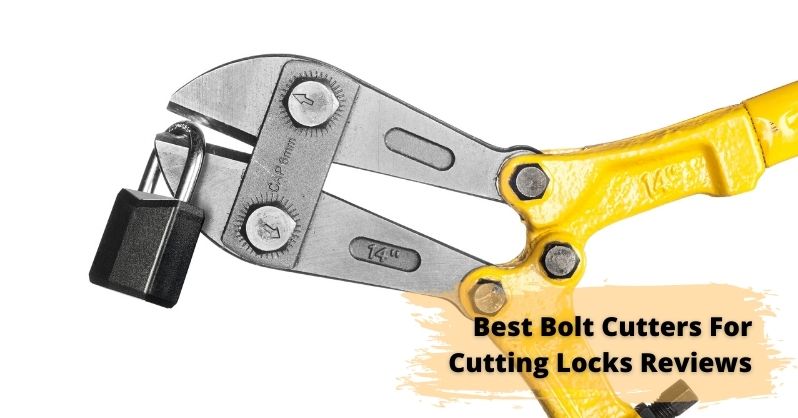
Bolt cutters operate on mechanical leverage. The longer the handles, the more force the blades generate at the cutting point. Most padlocks use a shackle — the U-shaped bar that loops through a hasp or chain — and that shackle is almost always the weakest point. Even mid-grade padlocks marketed as "security-rated" can be defeated in seconds by the right cutter. This isn't a flaw unique to your lock; it's a physics reality every homeowner should understand before choosing how to secure their property.
Before you buy, it helps to know what different types of padlocks are actually made of and how they're graded. Not every padlock is created equal — and neither is every bolt cutter. Read on for the full breakdown.
Contents
- Why Padlocks Are Vulnerable to Bolt Cutters
- How to Cut a Padlock with Bolt Cutters: Step-by-Step
- Best Bolt Cutters for Padlocks: Pros and Cons by Type
- Padlock Security Myths That Could Leave You Exposed
- When Your Bolt Cutters Won't Cut: Troubleshooting
- Locking Down Your Security After Removal
- Keeping Your Bolt Cutters Sharp and Ready
- Key Takeaways
Why Padlocks Are Vulnerable to Bolt Cutters
The Anatomy of a Shackle
The shackle is the curved or straight bar that passes through the hasp, chain, or latch you're securing. On most consumer padlocks, it's made from hardened steel — but "hardened" is a relative term. Budget locks use a thin, low-grade shackle that a standard 24-inch bolt cutter defeats without much effort. The shackle diameter is the critical number. Anything under 9mm is considered light-duty and vulnerable to smaller cutters. Go above 12mm and you're in territory that requires a heavy-duty tool with 36 inches of handle or more.
The locking mechanism inside the body — whether it's a pin tumbler, disc detainer, or combination dial — is irrelevant when someone attacks the shackle directly. Picking the lock is a skills game; cutting the shackle is a physics game. You can read about how to pick a lock with a paperclip for context on the alternative approach, but when speed is the priority, bolt cutters almost always win against standard shackles.
Material Grades and What They Mean
Padlock shackles are rated by material hardness. Low-grade steel cuts easily. Boron carbide and boron-alloyed steel — used in higher-end locks — offer significantly more resistance. According to Wikipedia, padlocks have been in use for centuries, and the core vulnerability of the shackle has never been fully engineered away. Even modern high-security locks rated at the top of ASTM standards can eventually be cut with the right tool and enough force. The question is always how much time and effort an attacker is willing to invest.
| Shackle Diameter | Security Level | Bolt Cutter Size Needed | Approximate Cut Time |
|---|---|---|---|
| Under 7mm | Low | 18–24 inches | 2–5 seconds |
| 7–9mm | Medium-Low | 24–30 inches | 5–10 seconds |
| 10–12mm | Medium | 30–36 inches | 15–30 seconds |
| 13–16mm | High | 36–42 inches | 30–60 seconds |
| Over 16mm (boron steel) | Very High | Angle grinder required | 60+ seconds |
How to Cut a Padlock with Bolt Cutters: Step-by-Step
Tools and Safety Gear You'll Need
Before you start, gather the right equipment. You need bolt cutters sized appropriately for the shackle — the table above is your reference. Beyond the cutters themselves, wear thick work gloves to protect your hands from metal shards and sharp edges. Safety glasses are non-negotiable; when a shackle snaps under tension, small metal fragments can fly at surprising speed. If you're working outdoors, position yourself with something solid to brace against so you can apply maximum leverage without losing your footing.
The Cutting Process
Start by identifying the shackle's heel — the shorter, thicker end that connects directly to the padlock body. This is your target. Never try to cut the toe side of the shackle — the longer free end — because the geometry makes it nearly impossible to get a clean grip with the cutter blades, and you lose most of your mechanical advantage.
Open the bolt cutter jaws fully and position them around the heel, as close to the padlock body as possible. The closer to the body, the less material you're cutting through and the more force the blades can generate at that point. Once the blades are seated correctly, grip both handles firmly and squeeze with a single, steady, controlled motion. Don't jerk. Don't pulse. One smooth squeeze generates more force than repeated short bursts and produces a cleaner cut with less risk of blade damage.
If the shackle doesn't give on the first attempt, don't rotate the cutter or reposition aggressively. Back the blades off slightly, reseat them at the heel, and try again with the same technique. Consistent angle and blade placement matter far more than extra force.
After the Cut
Once the shackle breaks, the freshly cut end is sharp. Handle the broken lock carefully and dispose of it responsibly — don't leave sharp metal fragments on the ground. Inspect your bolt cutter blades immediately after any cut on hardened steel. Even a single demanding job can nick the cutting edge, and you want to catch that before it affects your next use. We'll cover exactly what to look for in the maintenance section below.
Best Bolt Cutters for Padlocks: Pros and Cons by Type
The market for the best bolt cutters for padlocks breaks into three clear tiers. Each has its place depending on the shackle diameter you're working with and how often you'll use the tool.
Heavy-Duty Long-Handle Models
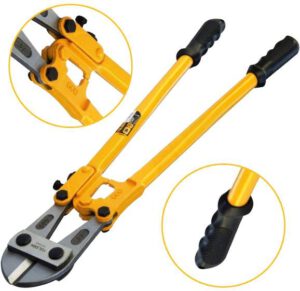
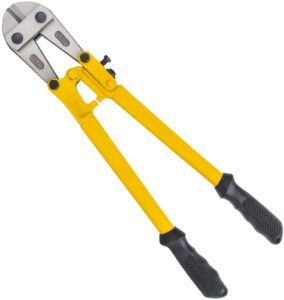
A 36-to-42-inch cutter like the Tolsen 42-Inch Heavy Duty is the right tool for thick shackles and hardened steel. The extended handles give you enormous leverage — enough to cut through 12–14mm steel with a single clean squeeze. The trade-off is size and weight. These tools typically run 8–10 pounds and require dedicated storage space. For property managers, facilities crews, or anyone cutting locks on a regular basis, this is the correct choice. For the occasional homeowner, it's overkill unless you're dealing with a high-security lock.
Mid-Range Options
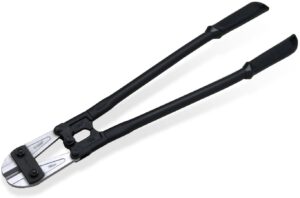
The 24-to-30-inch range is the sweet spot for most homeowners. The Neiko 30-Inch Heavy Duty handles 10–11mm shackles cleanly and is manageable for one person working alone. At this length you get enough leverage for medium-security padlocks without the bulk of a full industrial tool. This is the tier most people should start with if their use case is occasional lock removal around the home, garage, or shed. It fits in a standard tool bag, stores easily, and covers the majority of consumer padlocks on the market.
Compact and Portable Cutters
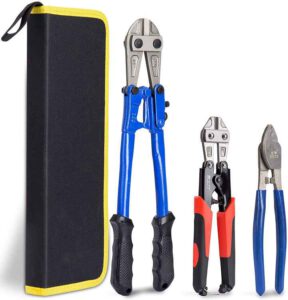
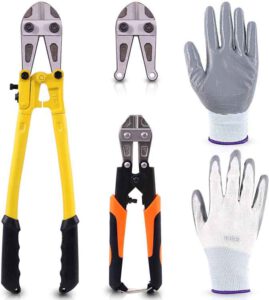
Sub-24-inch models and cutter plier sets like the KOTTO are designed for light locks, cable locks, and wire — not security-grade padlocks. They're genuinely useful for thin bike cables, zip ties, or small travel locks with shackles under 8mm. The Gunpla 18-Inch and Hilitchi compact cutters fall into this category — excellent value for light-duty tasks, but they'll bounce off anything worth calling a security padlock. Don't let the low price tempt you into using a compact cutter on a heavy-duty shackle; you'll damage the blades without completing the cut.
Padlock Security Myths That Could Leave You Exposed
The "Price Equals Security" Myth
Spending more on a padlock doesn't automatically mean it resists bolt cutters better. Many padlocks sold in the $30–$50 range are still cut in under 10 seconds with a 24-inch cutter. The features that actually matter are shackle diameter, shackle material (boron-alloyed vs. standard hardened steel), and shackle exposure — meaning how much of the shackle is accessible to cutting jaws. A budget padlock with a shrouded shackle can outperform a pricier lock with a fully exposed U-shackle. Always read the cut-resistance specification, not just the price tag.
The Chain and Lock Confusion
A common and costly mistake: people buy a quality padlock but thread it through a cheap chain. Bolt cutters cut chain links just as easily as shackles — often more easily — because chain links present an even more accessible cutting surface. If your chain links are under 10mm in diameter, they're the weak point in the system regardless of how strong the padlock itself is. The security rating of any lock-and-chain setup is determined entirely by its weakest component. A Grade 6 padlock on a $12 hardware-store chain is a false sense of security.
When Your Bolt Cutters Won't Cut: Troubleshooting
Blade Alignment Issues
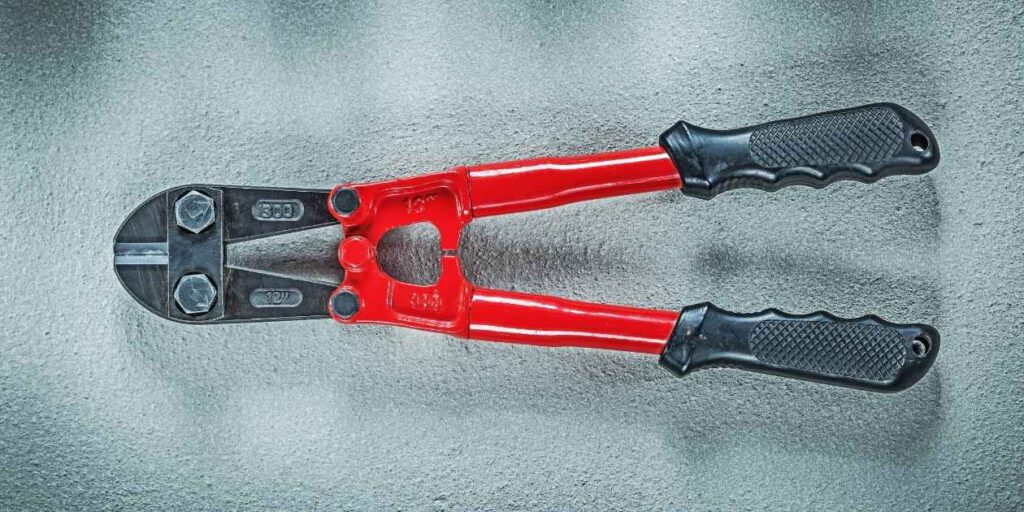
If your bolt cutters are closing but not cutting cleanly, blade alignment is the first thing to check. The two blades need to pass each other with a slight overlap — not meet face-to-face and stop. Most bolt cutters have an adjustment bolt or pivot screw at the blade junction. If the blades are making contact before fully closing, loosen the pivot screw a quarter turn and test again. Misaligned blades waste force and leave you with a bent, crushed shackle instead of a clean cut.
Blade position on the shackle matters as much as tool quality. If you're gripping too far down the shackle rather than at the heel close to the padlock body, you've already lost most of your leverage. Always reposition toward the body before concluding that the tool is the problem. Nine times out of ten, repositioning solves the issue.
Hardened Steel Resistance
If the shackle isn't giving despite correct positioning and blade alignment, you're likely dealing with boron-alloyed or hardened steel that exceeds your cutter's rated capacity. At this point you have two options: step up to a longer cutter (36 to 42 inches if you're not already there), or switch to an angle grinder with a metal cutting disc. The grinder approach is faster on very hard steel but generates heat and sparks, so you need additional safety precautions and a clear work area. Never force bolt cutters beyond their rated capacity — doing so chips the blades and turns the tool unsafe for any future use.
Locking Down Your Security After Removal
Replacement Lock Options
Once you've cut a lock, you face a choice about what replaces it. This is a genuine opportunity to upgrade rather than swap in the same vulnerability. Look for padlocks with shrouded or heel-and-toe locking shackles — both designs dramatically reduce the accessible surface area for cutting jaws. Brands like Abloy, Mul-T-Lock, and ABUS make models in this category that have passed third-party cut-resistance testing. They cost more, but the shackle geometry alone makes them significantly harder to defeat quickly.
If the location allows it, consider moving away from padlocks entirely. Smart locks offer a different security profile — no exposed shackle to cut, keypad or app-based access, and tamper alerts you can monitor from your phone. They're not appropriate for every scenario (an outdoor gate exposed to extreme weather, for example), but for doors and indoor storage applications, they eliminate the bolt cutter vulnerability entirely.
Adding a Second Layer of Protection
The most effective security setups never rely on a single point of protection. Pairing your physical lock with a visible deterrent changes the risk calculation entirely. A security camera covering the entry point turns a 10-second bolt cutter job into a documented, timestamped event on your phone — and that visibility alone deters a significant portion of opportunistic theft.
Think beyond the lock itself. A motion sensor, a door alarm, or a monitored alarm system provides a second layer that no bolt cutter can defeat. Physical security and electronic security work best together. A strong lock buys time; a camera and alarm create consequences. Neither is a complete solution on its own, but together they address both the physical and behavioral dimensions of security.
Keeping Your Bolt Cutters Sharp and Ready
Cleaning and Lubrication
Bolt cutters are low-maintenance tools, but they need occasional attention to stay effective. After each use, wipe down the blades with a dry cloth to remove metal particles and moisture. Steel residue left on the blade faces accelerates surface rust, particularly if you're storing the tool in a garage or shed where humidity fluctuates. A light application of machine oil or WD-40 on both blade faces and the pivot joint every few months keeps everything moving freely and protects against corrosion.
The pivot joint is the single most important maintenance point on the entire tool. If it stiffens up, your effective cutting force drops and the blades start to lose alignment. Lubricate it consistently and check for lateral play — a small amount of wobble is normal, but excessive side-to-side movement means the joint needs tightening or the tool has reached the end of its service life.
Blade Inspection and Replacement
Check the blades after every few uses on hardened material. Look for nicks, chips, or flat spots along the cutting edge. Nicked blades crush rather than cut, which means more effort per job and worse results — you'll burn energy fighting the tool instead of cutting the shackle. Some bolt cutter models offer replaceable blade heads; check your manufacturer's documentation before assuming you need to replace the entire tool. If the blades are integral and significantly damaged, replacement is the right call. A degraded cutting edge doesn't recover on its own.
Store bolt cutters with the jaws slightly open or use the latch provided to keep the blades from resting against each other under pressure. Storing them fully closed puts constant stress on the cutting edges and accelerates wear over time. A small detail, but it extends the working life of a tool that's worth maintaining.
Key Takeaways
- Position bolt cutter blades at the heel of the shackle — as close to the padlock body as possible — and apply one smooth, steady squeeze for a clean, efficient cut.
- Choosing the best bolt cutters for padlocks means matching handle length to shackle diameter: 18–24 inches for thin shackles, 30–36 for medium, and 42 inches for thick hardened steel.
- Shrouded and heel-and-toe locking shackle designs significantly reduce bolt cutter access — upgrading to these after a lock removal is more effective than simply buying a more expensive standard padlock.
- Pairing a strong physical lock with a visible security camera creates layered protection that addresses both the physical vulnerability and the behavioral deterrent a single lock cannot provide alone.


About Vincent Foster
Greetings, This is Tom Vincent. I’m a home Security Expert and Web developer. I am a fan of technology, home security, entrepreneurship, and DIY. I’m also interested in web development and gardening. I always try to share my experience with my reader. Stay Connected and Keep Reading My Blog. Follow Me: Facebook, Twitter, Pinterest
Now you can get FREE Gifts. Or latest Free Security Cameras here.
Disable Ad block to reveal all the gifts. Once done, hit a button below