Around 40 percent of office workers report being locked out of a file cabinet at least once — and most freeze when it happens. If you need to know how to pick a file cabinet lock fast, you're in exactly the right place. File cabinet locks rely on simple internal mechanisms that respond well to basic picking techniques, and when done correctly, you open the lock without damaging anything. This guide covers every practical method, the right tools to use, and when calling a locksmith is the smarter call. For a broader look at how these locks are built, start with our full overview of file cabinet locks.
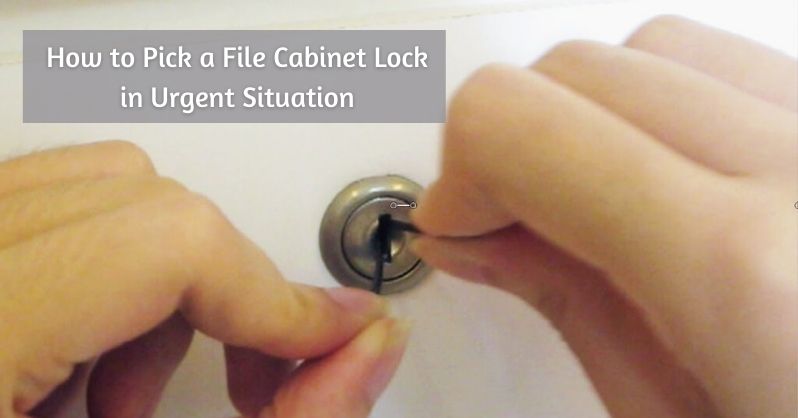
Most file cabinet locks use a wafer tumbler or pin tumbler mechanism. Both designs operate on the same principle: spring-loaded wafers or pins block the cylinder from rotating. When the correct key lifts each component to the shear line simultaneously, the cylinder turns and the lock opens. Picking replicates that result using tools instead of a key — no key required, no damage necessary.
Before you do anything, confirm that you own the cabinet or have explicit authorization to open it. Picking a lock you own is legal in most jurisdictions. Picking someone else's without permission is not. According to Wikipedia's overview of lock picking, legality varies by location, so know your local laws before you start.
Contents
- Right Time — and Wrong Time — to Pick Your File Cabinet Lock
- Picking Methods at a Glance
- What You Gain — and What Can Go Wrong
- Tools You Need to Pick a File Cabinet Lock
- How to Pick a File Cabinet Lock Step by Step
- Keeping Your File Cabinet Lock in Good Condition
- Cost Breakdown: DIY vs. Professional Locksmith Help
- Frequently Asked Questions
- Key Takeaways
Right Time — and Wrong Time — to Pick Your File Cabinet Lock
Before grabbing a paper clip, take 30 seconds to assess your situation. Picking is not always the right move, and knowing the difference saves you time, money, and potential legal headaches.
Situations Where Picking Makes Sense
- You lost the key and need access to your own cabinet immediately
- The key broke off inside the cylinder
- You inherited a locked cabinet with no keys included
- You're locked out of your own office cabinet and a locksmith isn't available for hours
- The cost of a locksmith call exceeds the value of what's inside
- You need to verify the cabinet contents before purchasing a replacement key
When You Should Stop and Call a Professional
- The cabinet belongs to someone else and you don't have written authorization
- The lock shows signs of forced entry or prior tampering
- The files inside carry legal, financial, or medical significance — any damage creates liability
- You've already tried and accidentally bent the cylinder
- Company policy at your workplace requires a certified locksmith for equipment access
Warning: If you're at work and the cabinet isn't registered in your name, get written authorization from a manager before you touch the lock — even if you genuinely need the files inside.
Picking Methods at a Glance
Not every method works on every lock. The right choice depends on what tools you have available, your skill level, and how much risk you're willing to accept. Here's a clear comparison so you can make a fast, informed decision.
| Method | Tools Needed | Skill Level | Time to Open | Risk of Damage |
|---|---|---|---|---|
| Paper Clip Picking | 2 paper clips | Beginner | 5–15 min | Low |
| Nail Clipper File | Nail clipper file attachment | Beginner | 5–10 min | Low |
| Commercial Pick Set | Tension wrench + pick | Intermediate | 2–5 min | Very Low |
| Bump Key | Bump key + mallet | Intermediate | 1–3 min | Low–Medium |
| Duplicate Key | Lock code + locksmith | None | 1–2 days | None |
| Drilling | Drill + replacement lock | Advanced | 5–10 min | Destroys lock |
If your file cabinet uses a separate padlock rather than an integrated cylinder, the approach changes significantly. See our guide on how to open a padlock without a key for a targeted walkthrough of that scenario.
What You Gain — and What Can Go Wrong
The Benefits of Knowing This Skill
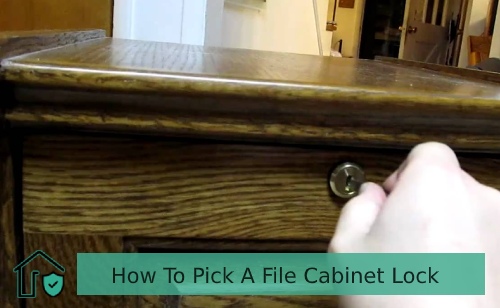
- Immediate access without waiting on a locksmith or a spare key to arrive
- Zero cost if you use improvised tools you already own
- No damage to the cabinet, the lock, or the documents inside when done correctly
- Applies to similar locks found on desk drawers, lateral files, and small storage cabinets
- Builds practical lock awareness that informs smarter home security decisions overall
The Downsides You Need to Know
- Your first attempt likely won't succeed in under a minute — this skill takes practice
- Improper technique can damage the cylinder, requiring a full replacement
- High-security file cabinet locks with anti-pick pins or security wafers resist basic picking entirely
- Success is not guaranteed on every lock model — older locks are far easier than modern security-rated ones
If you've dealt with a similar challenge involving a combination-based lock, our walkthrough on opening a Sentry Safe without the combination covers parallel access techniques worth knowing.
Tools You Need to Pick a File Cabinet Lock
You don't need a locksmith's full toolkit. Most standard file cabinet locks respond to basic tools — including things already sitting in your desk drawer right now.
Improvised Tools You Already Have
Paper clips are the most effective improvised picking tool for wafer tumbler locks, and they're in nearly every office.

- Tension tool: Bend one paper clip into an L-shape. This applies steady rotational pressure to the cylinder.
- Pick tool: Straighten the second clip and bend the last few millimeters into a slight upward curve.
Other improvised options that work in a pinch:
- Bobby pins — same application as paper clips, slightly more rigid
- A small flathead screwdriver used as the tension tool
- A stiff piece of wire bent to shape
Dedicated Lock Picking Tools
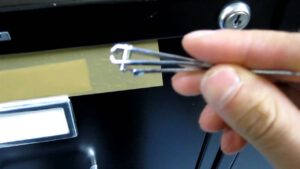
The nail clipper file — the small metal file that folds out of most standard nail clippers — works surprisingly well on wafer tumbler locks. Its profile is close enough to a wafer rake to manipulate multiple wafers at once with a simple raking motion.
If you plan to handle lockouts more than once, a basic pick set is a smart purchase:
- Hook picks — for single pin picking, precise control
- Rake picks — manipulate multiple pins at once, faster for simple locks
- Diamond picks — effective on shallow pin stacks common in file cabinets
- Tension wrenches — always required alongside any pick; never skip this tool
How to Pick a File Cabinet Lock Step by Step
These three methods cover the full range from zero equipment to purpose-built tools. Start with paper clips if that's what you have. Move to the pick set if you need speed and a cleaner result.

Method 1: Paper Clip Picking
- Bend one paper clip into an L-shape to form your tension wrench.
- Straighten the second clip and curve the tip slightly upward — this is your pick.
- Insert the tension wrench into the bottom of the keyhole. Apply light rotational pressure in the direction the key would turn.
- Insert the pick above the tension wrench without removing the tension tool.
- Move the pick in and out with slight upward pressure, feeling for resistance at each wafer position.
- When a wafer catches and holds, maintain your tension and continue raking the remaining wafers.
- Once all wafers reach the shear line, the cylinder rotates and the lock opens.
Critical tip: Light tension is everything here. Too much pressure and the wafers bind so tightly they can't move. Too little and you lose your set the moment you stop applying the pick.
Method 2: Nail Clipper File
- Open the nail clipper file fully so it locks into a rigid position.
- Use a small flathead screwdriver or bent paper clip as your tension tool.
- Apply light rotational pressure with the tension tool inserted at the bottom of the keyhole.
- Insert the nail clipper file above the tension tool and use a raking motion — in and out, slightly angled up and down.
- Continue raking steadily until the cylinder turns. This method works fastest on cheaper wafer locks.
Method 3: Commercial Lock Pick Set
- Select a rake pick for speed or a hook pick for precise control.
- Insert your tension wrench and apply consistent light pressure.
- Insert the pick above the wrench, keeping both in the keyhole simultaneously.
- For a rake: use a fast in-and-out scrubbing motion with slight vertical variation.
- For a hook: set one pin at a time, working from the back of the cylinder toward the front.
- Once all pins are set at the shear line, the cylinder rotates freely and the lock opens.
Keeping Your File Cabinet Lock in Good Condition
Once you're back into your cabinet, spend 10 minutes on preventive maintenance. A well-maintained lock is far harder to pick — and far less likely to malfunction in the first place.
Regular Maintenance Habits
- Lubricate the cylinder twice a year with dry graphite powder or a PTFE-based spray. Never use WD-40 — it attracts dust, creates gummy residue, and degrades the mechanism over time.
- Keep a spare key in a secure, separate location: a home safe, a key management system, or with a trusted person outside your office.
- Clear the keyhole periodically with compressed air to remove dust and debris buildup.
- Check that the lock actuates smoothly every time you open the drawer. Stiff or gritty operation is an early warning sign of wear or contamination.
- Record the key code stamped on the lock cylinder — most manufacturers can cut a replacement key from that code alone.
For help deciding which lock design holds up best over time, our guide on types of file cabinet locks breaks down the six main designs and their long-term durability.
Signs Your Lock Needs Replacing
- The key is difficult to insert or turn even after lubrication
- The cylinder feels loose, wobbly, or spins without engaging
- The lock was successfully picked — it's now structurally easier to pick again
- Visible corrosion around the keyhole or on the cylinder face
- The key no longer returns to the upright position after turning
Replacing a standard file cabinet lock cylinder costs $10–$30 and takes about 15 minutes with a screwdriver. It's the cleanest resolution after any forced-entry scenario.
Cost Breakdown: DIY vs. Professional Locksmith Help
When you're under pressure, knowing the numbers upfront helps you make the fastest, smartest call.
| Option | Estimated Cost | Time to Access | Outcome for Lock |
|---|---|---|---|
| Paper clips (improvised) | $0 | 5–20 min | Intact if done carefully |
| Basic pick set | $10–$25 | 2–10 min | Intact; tool is reusable |
| Emergency locksmith | $75–$150+ | 30–90 min wait | Intact or replaced |
| Replacement lock cylinder | $10–$30 | 15–30 min install | Fresh lock, new keys |
| Drilling out the lock | $5–$15 (drill bit) | 5–10 min | Lock destroyed; must replace |
For most situations, a $15 pick set paired with this guide delivers the best outcome: fast access, no damage, and a reusable tool for future emergencies. The locksmith option is worth every dollar when you need a guaranteed result with zero risk to the contents — particularly for high-value or legally sensitive documents.
Frequently Asked Questions
Is it legal to pick a file cabinet lock?
Yes, in most jurisdictions it is legal to pick a lock you own or have explicit authorization to open. Picking someone else's lock without permission is illegal and can result in criminal charges. Laws vary by state and country, so verify your local regulations before proceeding.
What is the easiest method to pick a file cabinet lock?
The nail clipper file raking method is the easiest for beginners because the tool's profile naturally suits the wafer tumbler design common in most file cabinets. The paper clip method is a close second and requires nothing you don't already have at your desk.
Can picking a file cabinet lock damage it?
Picking with improvised tools can scratch the inside of the cylinder, but it rarely causes functional damage when done with light tension. The biggest risk is bending the cylinder if you apply too much rotational force before the wafers are fully set. Use minimal pressure and go slowly.
What should I do if the lock still won't open after picking?
If multiple attempts fail, the lock may be a higher-security model with anti-pick wafers or a sidebar mechanism. At that point, call a locksmith. Avoid escalating to drilling unless you're prepared to replace the entire lock cylinder, as drilling destroys the mechanism permanently.
How do I prevent getting locked out of my file cabinet again?
Store a spare key in a home safe, a separate key cabinet, or with a trusted colleague. Record the key code stamped on the lock cylinder so a locksmith can cut a replacement without needing the original. Lubricate the cylinder twice a year to prevent mechanical failure.
Do all file cabinet locks pick the same way?
No. Most consumer-grade file cabinets use wafer tumbler locks, which are the easiest to pick. Higher-end cabinets may use pin tumbler or disc detainer mechanisms that require different techniques and more skill. If your lock doesn't respond to basic raking within 15 minutes, assume it's a more secure design.
Key Takeaways
- Most file cabinet locks use simple wafer tumbler mechanisms that respond well to paper clips, nail clipper files, or a basic pick set — no special skills required for standard models.
- Always confirm you own the cabinet or have explicit authorization before picking any lock; legal consequences for unauthorized entry are real and serious.
- Light rotational tension on the cylinder is the single most important technique variable — too much pressure prevents the wafers from moving, too little loses your set.
- Store a spare key and record your lock's key code after this incident so you never face this situation again.


About Vincent Foster
Greetings, This is Tom Vincent. I’m a home Security Expert and Web developer. I am a fan of technology, home security, entrepreneurship, and DIY. I’m also interested in web development and gardening. I always try to share my experience with my reader. Stay Connected and Keep Reading My Blog. Follow Me: Facebook, Twitter, Pinterest
Now you can get FREE Gifts. Or latest Free Security Cameras here.
Disable Ad block to reveal all the gifts. Once done, hit a button below