The benefits of double glazed windows are immediate and measurable — they reduce heat loss, cut noise, and make your home harder to break into, all at once. If you're looking for a single home upgrade that pays off across multiple fronts, double glazing belongs near the top of your list. It's a natural companion to other home improvement security upgrades that strengthen your property from every angle.
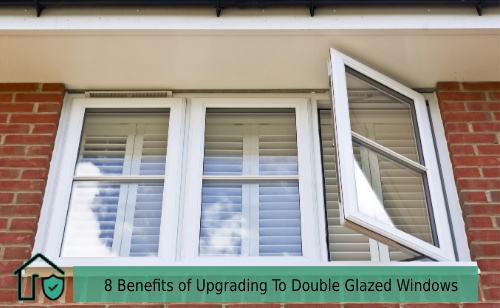
Double glazed windows use two panes of glass separated by a layer of inert gas — typically argon. That gap is what makes all the difference. It slows heat transfer, absorbs sound waves, and adds structural resistance that single-pane glass simply cannot match.
This guide covers everything you need to make an informed decision: what double glazing costs, all eight core benefits, what can go wrong, and how to keep your windows performing for decades. Whether you're planning a full renovation or upgrading one room at a time, you'll find clear, practical information here.
Contents
What Double Glazed Windows Actually Cost
Initial Investment
Cost is usually the first question — and the honest answer is that it depends on your window size, frame material, and installation complexity. Here's a realistic range to work with.
| Window Type | Estimated Cost Per Window (Installed) | Common Frame Material |
|---|---|---|
| Standard casement | $300 – $700 | uPVC |
| Sash window | $600 – $1,200 | uPVC or timber |
| Bay window | $1,000 – $3,000 | uPVC or aluminum |
| Triple glazed upgrade | $800 – $1,500 | Various |
Labor typically adds 20–30% on top of the window price itself. A full home replacement in an average property usually runs between $8,000 and $20,000. That's a significant outlay — but it needs to be weighed against what you get in return.
Long-Term Energy Savings
According to the U.S. Department of Energy, heat gain and heat loss through windows accounts for 25–30% of residential heating and cooling energy use. Double glazing directly attacks that number.
- Most homeowners report energy bill reductions of 10–25% after installation
- Payback period is typically 5–10 years, depending on your climate and existing heating system
- Some utility companies offer rebates for energy-efficient window upgrades — check your local provider
- Colder climates tend to see faster payback due to higher baseline heating demand
Pro Tip: Request a home energy audit before getting window quotes — it helps you identify which windows lose the most heat, so you can prioritize and get the best return on your investment.
The 8 Core Benefits of Double Glazed Windows
Energy Efficiency and Thermal Comfort
The benefits of double glazed windows start with energy performance. The gas-filled gap between panes is a poor conductor of heat. That means less warmth escapes in winter and less heat enters in summer — your HVAC system works less and lasts longer as a result.
Here are all eight benefits, organized by type:
- Lower energy bills — less heating and cooling needed year-round
- Thermal comfort — no cold drafts near windows during winter
- Noise reduction — the air gap dampens external sound by 30–35 decibels
- Improved security — two panes are significantly harder to breach than one
- Condensation control — the inner pane stays warmer, reducing moisture buildup
- UV protection — special coatings block UV rays that fade furniture and flooring
- Increased property value — energy-rated windows are a genuine selling point
- Reduced carbon footprint — less energy use means fewer emissions overall
Not every benefit will matter equally to you. If you live on a busy road, noise reduction might be your priority. If your heating bills are high, thermal performance is the focus. Double glazing delivers across all eight dimensions regardless of your starting point.
Security and Noise Reduction
From a home security perspective, double glazed windows matter more than most people realize. Single-pane glass breaks easily and quietly — a determined intruder can punch through it in seconds. Double glazing changes that equation in your favor.
- Two panes require more force to breach — creating noise and delay that deters opportunists
- Many units offer laminated or toughened safety glass as an upgrade option
- Robust multi-point locking systems are standard on most modern double glazed frames
- The added resistance gives you — and your alarm system — more response time
If you're building out your home security layer by layer, upgrading your windows is a smart physical barrier investment. You might also want to review your door hardware at the same time. Our guide on the different types of door locks covers your entry point options in detail. For a high-security door upgrade to pair with new windows, take a look at the top picks for smart deadbolt locks.
On noise: that 30–35 decibel reduction is the difference between hearing every car that passes and barely noticing street traffic. For anyone living in an urban area, that quality-of-life gain is often reason enough on its own.
Security Note: Double glazing slows intruders but isn't a standalone solution — always pair window upgrades with a monitored alarm system and solid door hardware for complete perimeter protection.
The Pros and Cons: An Honest Look
Advantages Worth Considering
Double glazing has a strong track record across millions of homes. Here's what consistently works in its favor:
- Versatility — works on virtually any window style and frame material
- Reduces reliance on heating and cooling systems, extending their service life
- Modern uPVC units are low-maintenance compared to older timber single-pane windows
- Available in a wide range of styles — casement, sash, tilt-and-turn — so aesthetics don't suffer
- Pairs well with other physical security measures, including security door stoppers and window locks, for a more complete perimeter
- Adds measurable resale value — buyers increasingly expect energy-efficient glazing as standard
Drawbacks to Be Aware Of
No upgrade is without trade-offs. Here's where double glazing can fall short:
- High upfront cost — the initial outlay is significant, especially for a full-home replacement
- Not suitable for all heritage or listed buildings — check local planning regulations before ordering
- If the seal fails, the unit needs replacing rather than repairing — there's no easy fix
- Argon gas can slowly leak over 20+ years, gradually reducing insulation performance
- DIY installation is strongly discouraged — poor fitting voids warranties and reduces performance
- Noise reduction is significant but not total — loud sounds like aircraft still come through
For most modern homes, the advantages clearly outweigh the drawbacks. For period properties or very tight budgets, the decision deserves more careful thought.
Troubleshooting Common Double Glazing Problems
Condensation Between Panes
If you can see moisture or fogging between your two glass panes, the seal has failed. This is the most common issue with aging double glazed units, and it cannot be fixed by cleaning — the entire unit needs replacement.
Signs your seal has failed:
- Persistent foggy or hazy appearance between the panes
- Moisture droplets visible on the inner glass surfaces
- Visible streaking or mineral deposits between panes that don't wipe away
Prevention is straightforward: buy quality units with a reputable brand warranty (10–20 years is standard), and ensure installation is done by a certified glazier. Cutting corners on installation is the most common cause of early seal failure.
Seal and Frame Failures
Frame problems are a separate issue from glass seal failure. Common frame-related complaints include:
- Draughts around the frame — usually caused by poor installation or building settlement
- Difficulty opening or closing — frames can warp, particularly timber ones in damp conditions
- Water ingress at frame edges — check external sealant for cracking every year or two
- Condensation on the interior glass surface — this is a ventilation issue, not a unit fault
Warning: Don't confuse condensation on the inside glass surface (a ventilation problem you can fix) with condensation between the panes (a failed seal that requires unit replacement) — they need very different responses.
Most frame issues are fixable with re-sealing or minor adjustment. If your windows are still within the warranty period, contact your installer before paying for any remedial work yourself.
Maintenance, Care, and Long-Term Planning
Cleaning and Routine Upkeep
Double glazed windows are lower maintenance than single-pane, but they still need regular attention to perform well over the long term. The good news: the routine is simple and doesn't require specialist tools.
Your basic annual maintenance checklist:
- Clean glass with warm soapy water and a soft cloth — avoid abrasive cleaners that scratch coatings
- Wipe down uPVC frames with a dedicated uPVC cleaner twice a year
- Lubricate hinges, handles, and locking mechanisms with a light machine oil annually
- Inspect external sealant every 12–18 months and re-apply if cracking or pulling away
- Clear drainage holes at the bottom of frames to prevent water pooling and frame damage
If you have timber frames, add an annual check for rot and repaint as needed. Timber demands more upkeep but can outlast uPVC with proper care.
Planning for the Long Haul
If you're upgrading windows as part of a broader home security and efficiency plan, think carefully about sequencing. Window installation is disruptive — especially where scaffolding is needed — so coordinate with other projects where you can.
- Replace windows before redecorating adjacent rooms to avoid damage to fresh finishes
- If you're also upgrading external doors, bundle both jobs for a package deal from installers
- Use portable door locks as a temporary security measure during installation, when openings may be exposed
- Schedule installation during mild weather — extreme temperatures affect sealant cure times
- Keep records of your warranty documents, installer contact details, and installation date
Double glazed windows are a long-term asset. A quality installation, properly maintained, should last 20–25 years before needing replacement. Build that into your home planning timeline now, and you'll avoid emergency decisions later.
Remember that windows are one part of your home's security perimeter. Pairing them with strong physical barriers at your entry points — like the options covered in our guide to installing door stoppers yourself — creates a more complete defense against intrusion.
Frequently Asked Questions
Are the benefits of double glazed windows worth the upfront cost?
For most homeowners, yes. The combination of energy savings, improved comfort, noise reduction, and added security makes double glazing a sound long-term investment. The typical payback period is 5–10 years, after which the savings essentially run in your favor indefinitely.
Do double glazed windows actually improve home security?
They offer a meaningful improvement over single-pane glass. Two panes require more force and time to break, which is often enough to deter opportunistic intruders. Pairing them with multi-point locking frames and a monitored alarm system gives you the strongest overall protection.
How long do double glazed windows last?
A quality installation with proper maintenance typically lasts 20–25 years. The glass units themselves may outlast the frames, especially with timber. The most common failure point is the seal between the panes, which can degrade after 15–20 years in older or lower-quality units.
Can I install double glazed windows myself?
It's not recommended. Incorrect installation voids most warranties, can compromise seal integrity, and may result in performance that's worse than your old windows. Always use a certified installer, and get at least three quotes before committing to anyone.
What's the difference between double and triple glazing?
Triple glazing adds a third pane and a second gas gap, offering better insulation and noise reduction at roughly 20–30% higher cost than double glazing. It's most worthwhile in very cold climates or rooms facing extremely noisy environments. For most homes, double glazing hits the best performance-to-cost balance.
Next Steps
- Book a professional home energy audit to identify your highest heat-loss windows — this tells you exactly where to start your upgrade for maximum return.
- Request quotes from at least three certified glazing installers — compare not just price, but warranty terms, glass specification, and frame material options.
- Check with your utility company and local government for any energy efficiency rebates available in your area — these can meaningfully offset installation costs.
- Review the rest of your home's security perimeter alongside your window upgrade — assess your door locks, alarm coverage, and any exposed entry points at the same time.
- Set a recurring annual calendar reminder to inspect your windows — check external sealant, lubricate hardware, and clear drainage holes before minor issues turn into costly repairs.


About Vincent Foster
Greetings, This is Tom Vincent. I’m a home Security Expert and Web developer. I am a fan of technology, home security, entrepreneurship, and DIY. I’m also interested in web development and gardening. I always try to share my experience with my reader. Stay Connected and Keep Reading My Blog. Follow Me: Facebook, Twitter, Pinterest
Now you can get FREE Gifts. Or latest Free Security Cameras here.
Disable Ad block to reveal all the gifts. Once done, hit a button below