Ever found yourself locked out of your garage with no spare key in sight? Learning how to pick a garage door lock is the kind of practical skill most homeowners wish they had before they actually needed it. The good news is that most standard garage door locks respond to a handful of reliable techniques you can execute with basic tools. This guide walks you through every method, compares your options honestly, and helps you decide when to handle it yourself and when to step back. Start by reviewing our garage door lock guides to understand which lock type you're actually dealing with before you begin.
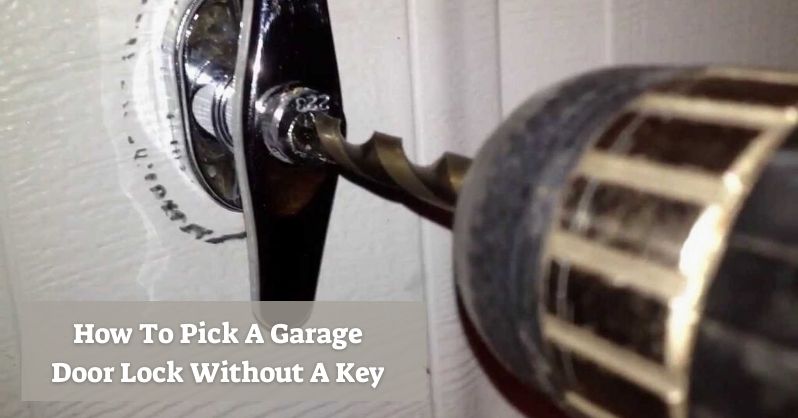
Garage door locks aren't all built the same. T-handle locks, deadbolts, and rim locks each have different internal mechanisms — and that difference matters when you're standing outside trying to get back in. The approach that opens a T-handle in 90 seconds might leave you stuck in front of a deadbolt for half an hour. Identifying what you have is step one of the whole process.
It's also worth establishing this clearly upfront: picking a lock you own is legal in most jurisdictions. Picking someone else's lock without permission is not. If you rent, get explicit approval from your landlord before touching the lock. Wikipedia's overview of lock picking laws gives a solid breakdown of how different regions treat the practice — it's worth a quick read if you're unsure about your local rules.
Contents
The Fastest Methods to Pick a Garage Door Lock
When speed matters, the right technique depends entirely on the lock in front of you. Most residential garage door locks use pin tumbler cylinders, which respond well to classic picking methods. Here are the three approaches that deliver the fastest results in real conditions.
Using a Tension Wrench and Pick
This is the most reliable method for picking a garage door lock, and it's what locksmiths reach for when they're working fast. You need two tools: a tension wrench (also called a turning tool) and a pick — typically a short hook or city rake.
- Insert the tension wrench into the bottom of the keyhole and apply light rotational pressure in the direction the key would turn
- Slide the pick above the wrench and feel for the pins inside the cylinder
- Apply upward pressure to each pin until you feel or hear a small click — that's a set pin
- Work through all the pins systematically until the cylinder rotates and the lock opens
Light, consistent tension is everything. Too much pressure and the pins bind completely — too little and they drop back before you can set them. Most beginners apply far too much pressure and wonder why nothing moves. Ease off, reset, and try again with a lighter touch.
The Bobby Pin Method
No dedicated tools on hand? Two bobby pins work as a substitute. Bend one into an L-shape to use as your tension wrench. Bend a small hook into the tip of the second to use as your pick. The improvised tools are less precise than commercial picks, but they work on older or simpler pin tumbler locks.
The technique is identical to the wrench-and-pick approach — tension first, then feel for and set each pin one at a time. Expect more failed attempts and a longer overall process. If the lock is a newer model or visibly higher quality, move on to a different method rather than wasting time on improvised tools that won't get you there.
Bump Keys
A bump key is a specially cut key designed to force all the pins in a cylinder to jump simultaneously. You insert it, apply slight rotational pressure, then strike the back of the key firmly with a rubber mallet. Done right, the pins momentarily align at the shear line and the cylinder turns.
You need a bump key that matches your lock's keyway — the cuts have to fit into the cylinder. Bump keys are legal to own in most states and are sold by locksmith suppliers. They work fast when conditions are right. They don't work at all on high-security locks with anti-bump pins or sidebar mechanisms — so know your lock before you invest in a bump key set.
Garage Door Lock Types Compared
Before you commit to a method, identify the lock in front of you. Different locks require different approaches, and going in blind wastes time. Here's a direct side-by-side comparison of the most common types you'll encounter on a residential garage.
| Lock Type | Best Picking Method | Difficulty | Key Notes |
|---|---|---|---|
| T-Handle Lock | Tension wrench + hook pick | Moderate | Common on older roll-up doors; awkward angle makes tension harder to maintain |
| Deadbolt | Tension wrench + rake or hook | Moderate to Hard | Standard pin tumbler; responds well to single pin picking and raking |
| Rim Lock | Tension wrench + hook pick | Easy to Moderate | Usually lower security; pins are easy to reach and feel |
| Disc Detainer Lock | Specialized disc pick | Hard | Requires dedicated tools; rarely found on standard residential garages |
| High-Security Deadbolt | Not pickable by most DIYers | Very Hard | Anti-pick pins and sidebars are engineered specifically to defeat picking — call a locksmith |
T-Handle Locks
T-handle locks are the most common type you'll find on a manually operated roll-up garage door. The cylinder sits inside the T-shaped handle itself, and you pick it exactly as you would any pin tumbler lock — tension at the bottom, pick working the pins from the back forward. The challenge is angle. The keyhole often faces downward or at an off-axis position, which makes maintaining steady tension harder than on a standard upright door lock. Compensate by using a shorter tension wrench with a shallower bend.
Deadbolts and Rim Locks
If your garage has a side entry door, it almost certainly has a deadbolt. Deadbolts use the same pin tumbler mechanism as T-handle locks, but the cylinder is easier to access and work with in a standard upright position. Rim locks are installed on the door's surface rather than inset into it — they tend to be lower security and fall faster to picking. Both respond well to single pin picking and raking techniques.
Understanding why locks fail under normal use helps you anticipate what you're working against. The most common door lock problems guide covers many of the same mechanical principles and is worth reading alongside this one.
Never force the tension wrench. Excess pressure is the single biggest reason picking fails — it binds the pins completely and makes the cylinder impossible to turn.
Troubleshooting a Lock That Won't Budge
You're doing everything right, but the lock isn't opening. This is normal, especially early on. The issue is almost always one of three things: too much tension, a stuck pin, or a lock that can't be picked with the tools you have available.
Why Your Pick Isn't Working
Diagnose before you give up. The most common reasons picking fails come down to these specific issues:
- Excess tension — if the pins feel frozen and won't move at all, ease off the tension wrench significantly
- Wrong pick profile — some keyways don't allow certain pick shapes to reach every pin; switch to a shorter hook or a different rake
- Counter-rotation — if you're applying tension in the wrong direction, no amount of pin work will open the lock; try reversing your tension
- Security pins — spool and serrated pins create false sets where the cylinder rotates slightly and then stops; when this happens, keep setting remaining pins rather than forcing harder rotation
Work through each possibility methodically. Release your tension, reinsert your pick, and start from the back pin again. Most failed picking attempts are technique problems, not tool problems. The tools you have are almost certainly adequate — the technique needs adjusting.
Dealing with Seized or Corroded Pins
If your garage lock hasn't been used in months — or if you live in a humid or salty coastal environment — the pins inside the cylinder may be corroded or gummed up with old lubricant residue. In those conditions, picking becomes significantly harder even with solid technique.
Spray a small amount of penetrating lubricant like WD-40 into the keyhole and wait two to three minutes before trying again. If the lock is severely corroded, the pins may be completely seized in place — at that point, picking is unlikely to work regardless of your skill level. Drilling or full cylinder replacement becomes the practical solution. For a step-by-step look at what to do when a cylinder becomes unresponsive, our guide on how to fix a door lock that won't turn covers the same diagnostic process in detail.
DIY Picking vs. Calling a Locksmith
Picking a garage door lock yourself sounds appealing — it's immediate, it costs nothing in the moment, and it doesn't require waiting. But it's not always the right call. Here's an honest look at both sides of that decision.
Where DIY Wins
- You need access right now and can't wait 30–90 minutes for a locksmith to arrive
- The lock is a standard residential model — T-handle, rim lock, or basic deadbolt
- You already own basic picking tools or have workable improvised substitutes
- The lock is in good working condition with no corrosion or internal damage
- You've practiced the technique at least a little and have baseline confidence
DIY picking works reliably on standard residential garage locks. Most T-handle and rim lock cylinders have five or fewer pins and are not engineered to resist picking — they're designed for homeowner convenience, not for defeating someone with basic tools and some patience.
Where the Pro Wins
- High-security locks with anti-pick pins, sidebars, or restricted keyways
- Cylinders that are severely corroded, physically damaged, or blocked by a broken key
- Situations where you don't have the right tools and improvised alternatives aren't getting results
- Any scenario involving property you don't own — always use a licensed professional in those cases
A skilled locksmith opens a standard residential lock in under five minutes using professional-grade picks and a decoder. If you've spent 20 minutes without making real progress, calling a professional stops being the expensive option and starts being the smart one — especially if continued forcing damages the cylinder and turns a lockout into a full replacement.
Real Lockout Situations and What Actually Worked
Theory is useful. Concrete examples are better. These scenarios reflect the situations homeowners most commonly face and the approaches that actually resolved them.
Broken Key in the Lock
A key breaks off inside the cylinder — usually because the key was worn thin, the lock was stiff, or someone applied too much lateral torque while turning. Picking a lock with a broken key inside it is nearly impossible. The broken fragment takes up space in the keyhole and prevents your pick from reaching the pins cleanly.
The correct sequence here is extraction first. Use a broken key extractor tool or a thin hooked piece of metal to grip and remove the fragment. Once the cylinder is clear, you can pick it normally or use a spare key if you have one available. If extraction fails, a locksmith with the right tools can remove the cylinder without damaging the door frame or the door itself.
Frozen Lock in Winter
Cold weather causes moisture inside the cylinder to freeze, which locks the pins in position. No picking technique overcomes frozen pins — you have to address the temperature first. Use a commercial lock de-icer spray designed for this purpose, or apply gentle heat with a hair dryer on a low setting. Never use an open flame near a painted door or near any part of the door frame.
Once the lock thaws, picking works normally if the cylinder itself is undamaged. After you're back inside, apply dry graphite lubricant to the cylinder to prevent repeat freezing. Skip WD-40 for ongoing maintenance — it attracts moisture over time and contributes to exactly the problem you just solved.
What Getting Back In Will Actually Cost You
Cost is one of the most common reasons people attempt to pick their own lock rather than calling a professional. Here's an honest breakdown of both paths.
DIY Tool Costs
A basic lock pick set covers everything you need to pick a garage door lock in most standard residential situations. Entry-level sets from reputable suppliers cost between $15 and $40 and include a tension wrench, hook picks, and rake picks. A bump key set runs $20 to $60 depending on the keyway variety included.
- Basic pick set: $15–$40
- Bump key set: $20–$60
- Penetrating lubricant: $5–$10
- Broken key extractor: $8–$20
- Total DIY kit: $48–$130 (one-time investment)
That kit covers you for future lockouts and routine lock maintenance indefinitely. The tools hold up well with normal use and take up very little storage space. The one-time cost is genuinely low compared to a single professional service call.
Locksmith Pricing
Locksmith rates vary by region and time of day. Standard rates during business hours run from $75 to $150 for a straightforward lockout. After-hours and emergency calls push that figure to $150–$300 or higher in major metro areas. If the lock has to be drilled because picking isn't viable, factor in an additional $50–$150 for a replacement cylinder and labor.
- Standard lockout (business hours): $75–$150
- Emergency or after-hours call: $150–$300
- Drilling plus lock replacement: add $50–$150
A single locksmith call costs more than a complete DIY kit. But if you attempt to pick the lock, fail, and then need the locksmith anyway — or worse, damage the cylinder in the process — you end up paying both costs. Honest self-assessment about your skill level and tools before you start saves money overall.
When to Pick — and When to Walk Away
This is the section that carries the most practical weight. Picking a garage door lock yourself is the right call in some situations and a poor decision in others. Be honest about which category applies to you right now.
Good Reasons to Do It Yourself
- You own the property and can provide documentation if challenged
- The lock is a standard pin tumbler type — T-handle, rim lock, or basic deadbolt
- You have the right tools and at least some prior practice with lock picking
- The lock is in working condition — no visible damage, corrosion, or obstructions inside the cylinder
- You're calm, patient, and can work methodically without forcing anything
DIY picking is a legitimate option for homeowners in standard lockout situations. It saves money, builds a genuinely useful skill, and often gets you back inside faster than waiting on a professional. There's no reason to default to a service call when the situation clearly calls for a simple, low-risk technique.
When You Should Call a Pro
Put down the pick and call a locksmith when any of these conditions apply:
- The lock is a high-security model — anti-pick pins and sidebars are engineered specifically to defeat what you're attempting
- The cylinder is corroded, physically damaged, or has a broken key inside that you cannot remove
- You don't have the right tools and improvised alternatives aren't delivering results after a genuine attempt
- You've been working at it for more than 15 to 20 minutes without meaningful progress
- The situation involves property you don't own — use a licensed professional without exception in those cases
Forcing a lock you can't open damages the cylinder and converts a lockout into a more expensive replacement job. Knowing when to stop is just as important as knowing how to pick a garage door lock in the first place. Recognize the limit and act accordingly.
Frequently Asked Questions
Can you pick any garage door lock without a key?
No. Standard pin tumbler locks — including most T-handle and rim locks — respond well to picking with the right tools and technique. High-security deadbolts with anti-pick pins, sidebars, or restricted keyways are specifically engineered to resist it. Check the manufacturer name stamped on your lock face and look up its security rating before you commit to an approach.
Is picking your own garage lock legal?
Yes, in most jurisdictions, picking a lock you own on your own property is fully legal. The law changes when you attempt to pick someone else's lock without explicit permission — that's criminal regardless of intent. If you rent your home, confirm with your landlord first, since some lease agreements restrict lock manipulation even by the tenant.
How long does it take to pick a garage door lock?
With the right tools and basic practice, most standard residential garage locks open in 2 to 10 minutes. Beginners working on a simple lock can expect 15 to 30 minutes on their first few real attempts. High-security or damaged locks take significantly longer — or can't be picked at all by someone without professional training and equipment.
What tools do you actually need to pick a garage door lock?
At minimum, you need a tension wrench and a pick — either a hook pick or a rake. A basic lock pick set costing $15 to $40 covers every tool needed for standard residential locks. Two bobby pins work as an improvised substitute on older, simpler locks, but they're noticeably less effective and less consistent than purpose-made picking tools.
Next Steps
- Identify your exact garage door lock type — find the manufacturer's name stamped on the lock face and confirm whether it uses a standard pin tumbler or a high-security mechanism before you attempt anything.
- Purchase a basic lock pick set ($15–$40) and practice on a spare lock or a transparent practice lock at home — build the skill before you actually need it under pressure.
- Apply dry graphite lubricant to your garage lock cylinder now to prevent future jams, corrosion, and freezing — this one step eliminates the most common causes of locks becoming unpickable.
- Cut a spare key and store it securely — either with a trusted neighbor or in a combination key lockbox mounted discreetly away from the garage entrance.
- Review your garage door's overall security posture using the tips in our home burglar-proofing guide to make sure a lost key is the only scenario you're preparing for — not an actual intrusion.


About Vincent Foster
Greetings, This is Tom Vincent. I’m a home Security Expert and Web developer. I am a fan of technology, home security, entrepreneurship, and DIY. I’m also interested in web development and gardening. I always try to share my experience with my reader. Stay Connected and Keep Reading My Blog. Follow Me: Facebook, Twitter, Pinterest
Now you can get FREE Gifts. Or latest Free Security Cameras here.
Disable Ad block to reveal all the gifts. Once done, hit a button below