You're standing at your front door, bags in both hands, when it hits you — your keys are sitting on the kitchen counter. It's a frustrating situation, but it's also a reminder that knowing how to pick a door lock is a genuinely useful skill. Whether you're locked out, helping a neighbor, or simply want to understand how vulnerable your current locks are, these four methods give you a clear, practical foundation. For more entry-point security guidance, browse our home security guides.
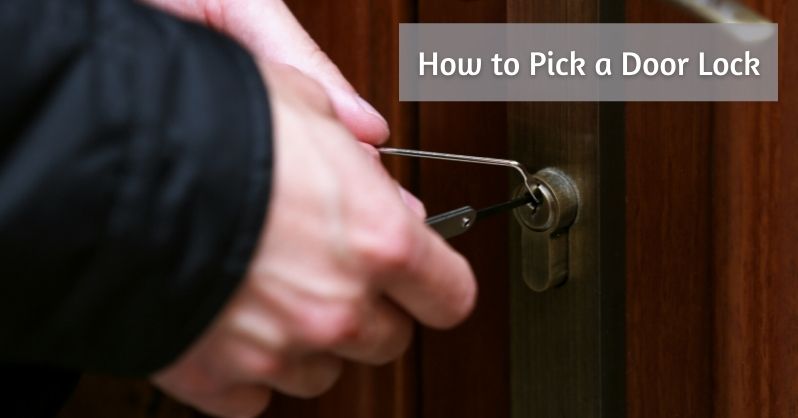
Lock picking isn't reserved for locksmiths and action movies. The same mechanics that let a professional open a stuck lock in seconds are the ones leaving your front door vulnerable right now. Understanding how these techniques work puts you in a much stronger position when it comes to choosing and maintaining the right hardware.
This guide breaks down each method step by step — the tools, the process, what to realistically expect — along with a look at which lock types resist picking best, what better security costs, and when this knowledge actually matters in everyday life.
Contents
- The 4 Methods: How to Pick a Door Lock Step by Step
- Common Myths About Lock Picking You Should Stop Believing
- Keeping Your Locks Pick-Resistant: Maintenance Tips That Matter
- What Upgrading Your Lock Security Actually Costs
- Lock Types Compared: Pick Resistance at a Glance
- Real Situations Where This Knowledge Pays Off
- Frequently Asked Questions
- Key Takeaways
The 4 Methods: How to Pick a Door Lock Step by Step
Standard pin tumbler locks — the kind on most residential doors — operate on a simple principle: a series of spring-loaded pins must align at a specific height (called the shear line) before the cylinder rotates and the lock opens. Each method below exploits that mechanic in a slightly different way. According to Wikipedia's overview of lock picking, the technique dates back centuries and remains relevant to modern security evaluation.
1. Bobby Pin and Tension Wrench
This is the most reliable method for a standard pin tumbler lock, and it's what professional locksmiths teach first. You need two bobby pins — one acts as the tension wrench, the other as the pick.
What you need: Two bobby pins, patience, a light touch.
- Bend one bobby pin into an L-shape. This is your tension wrench — it goes into the bottom of the keyhole and applies gentle rotational pressure in the direction the key would turn.
- Bend the tip of the second pin up about 1 cm. This is your pick.
- Insert the pick above the tension wrench and feel for the pins inside the lock cylinder.
- Apply light pressure with the tension wrench — just enough to feel resistance, not enough to bind the pins.
- Push each pin up one at a time until you feel or hear a slight click. That pin has set at the shear line.
- Work through all pins from back to front. Once the last pin sets, the cylinder rotates and the lock opens.
The critical variable is tension. Too much pressure and the pins bind before they set. Too little and they drop back down. Practice on a padlock before trying it under stress.
For a detailed visual walkthrough of this same technique applied to smaller locks, read our guide on how to pick a lock with a paperclip in 5 easy steps.
2. Paper Clip Pick
Paper clips work on exactly the same principle as bobby pins — they're just less ergonomic. You'll unfold two standard paper clips: one into an L-shape for tension, one with a small upward hook at the tip for picking.
- Use a thicker paper clip for the tension wrench — thin ones flex too much and kill your feel.
- The picking motion is a gentle raking action: insert the hook, push pins up while maintaining tension, and rotate once all pins set.
- Paper clips are more prone to bending mid-pick. Have spares ready.
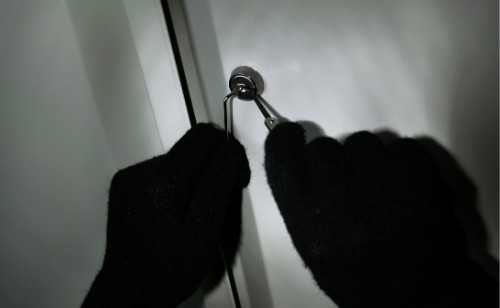
This method works best on older, worn locks where the pins move freely. On a newer, tighter lock, you'll find the paper clip lacks the rigidity to maintain consistent tension.
3. Plastic Card Shimming
The credit card method works on spring-bolt (latch) locks only — the kind that click shut automatically when you close the door. It does not work on deadbolts. Use an old loyalty card or gift card, not an actual credit card you care about.
- Insert the card into the gap between the door and the frame, just above the latch.
- Angle the card downward toward the latch bolt while simultaneously pushing it toward the latch.
- Lean your shoulder against the door and wiggle the card downward with firm, consistent pressure.
- The latch compresses as the card slides under it — the door swings open.
Important limitation: Any door with a strike plate that covers the latch gap, or a deadbolt engaged above the latch, resists this method completely. If your door relies solely on a spring latch, you're more vulnerable than you think.

4. Knife or Flathead Screwdriver
This method targets privacy locks — interior knobs on bathroom or bedroom doors that use a simple push-button mechanism rather than a keyed cylinder.
- Look for a small hole or slot in the center of the exterior knob face.
- Insert a thin flathead screwdriver or the tip of a butter knife into the slot.
- Push inward while turning — the button releases and the knob unlocks.
- No tension control or pin-setting needed. This is a bypass, not a true pick.
If you regularly deal with interior privacy locks, you may also find it useful to read about how to remove a door knob step by step — particularly if the lock is stuck or damaged beyond simple bypass.
Common Myths About Lock Picking You Should Stop Believing
A lot of assumptions about lock picking come from movies, and most of them are wrong. Here's what the evidence actually shows:
- Myth: Picking a lock takes only seconds. Reality: Without practice, most people take several minutes. Even experienced pickers need 30–90 seconds on a quality lock. Hollywood compresses time for drama.
- Myth: Any lock can be picked with a credit card. Reality: The credit card method only works on spring latches. Deadbolts, padlocks, and high-security cylinders are completely immune to it.
- Myth: Expensive locks are impossible to pick. Reality: Every pin tumbler lock can theoretically be picked. The difference is time and skill required. High-security locks raise that bar significantly — but no lock is impenetrable.
- Myth: Smart locks eliminate the picking risk entirely. Reality: Smart locks replace the cylinder with electronics — which does remove the pin-tumbler vulnerability. But they introduce different attack surfaces. Read a balanced take in our article on whether smart locks are actually safe.
- Myth: Lock picking leaves no evidence. Reality: Skilled forensic examination can detect signs of picking on a cylinder. And security cameras — even a basic video doorbell — create a visual record of anyone spending unusual time at your door.
A lock's job is to slow an intruder down long enough to be noticed. No lock stops a determined, skilled attacker indefinitely — your goal is to make your door the hardest one on the block.
Keeping Your Locks Pick-Resistant: Maintenance Tips That Matter
A well-maintained lock is harder to pick than a worn one. Loose, worn pins move unpredictably — which can actually make lock picking easier in some cases because the picker gets clearer tactile feedback. Keep your locks in top condition with these practices:
- Lubricate annually — Use a graphite-based lubricant or Teflon (PTFE) spray. Never use WD-40; it attracts dirt and gums up pin stacks over time.
- Check for wobble in the cylinder. A cylinder that rotates slightly without the key is already compromised and easier to manipulate.
- Inspect the strike plate and door frame every six months. A loose frame is often a bigger vulnerability than the lock itself.
- Replace any lock older than 10 years. Springs weaken, tolerances loosen, and the cylinder wears to the point where pin-setting becomes trivial.
- Consider rekeying after any security event — lost keys, contractor visits, or a change of occupants. Our guide on the different types of deadbolts explains which mechanisms are easiest to rekey yourself.
Maintenance also includes your door itself. A warped or misaligned door puts stress on the latch bolt and deadbolt, causing premature wear on both the lock and frame. Align the door first; then maintain the lock.
What Upgrading Your Lock Security Actually Costs
If understanding how to pick a door lock has made you nervous about your current setup, upgrading doesn't have to break the budget. Here's a realistic breakdown of what different security levels cost:
| Security Level | Lock Type | Estimated Cost | Pick Resistance | Best For |
|---|---|---|---|---|
| Basic | Standard pin tumbler knob lock | $15–$40 | Low | Interior doors, low-risk areas |
| Mid-Range | ANSI Grade 1 deadbolt | $40–$90 | Moderate | Front and rear exterior doors |
| High Security | Medeco / Mul-T-Lock cylinder | $150–$350 | High | Primary entry, high-value properties |
| Smart Lock | Keypad / app-controlled deadbolt | $100–$300 | High (no cylinder to pick) | Convenience + security combined |
| Commercial Grade | High-security mortise lock | $300–$600+ | Very High | Business entry, maximum security |
For most homeowners, a Grade 1 ANSI deadbolt paired with a reinforced strike plate (about $20–$30 extra) delivers the best return on investment. If you're curious about going keyless, our breakdown of 4 common types of smart door locks explains exactly what each type offers and where each fits best.
Lock Types Compared: Pick Resistance at a Glance
Not all locks respond to picking the same way. Here's how the most common residential lock types stack up against the four methods covered above:
- Standard pin tumbler (knob/lever): Vulnerable to bobby pin and paper clip methods. Moderate skill required. The most commonly defeated lock type.
- Single-cylinder deadbolt (Grade 2): Resistant to credit card shimming. Pin-picking possible but requires more skill due to tighter tolerances. A major upgrade over a knob lock alone.
- Grade 1 ANSI deadbolt: Significantly tighter tolerances. Picking requires professional tools and experience. Resists most opportunistic attempts completely.
- High-security cylinders (Medeco, Mul-T-Lock): Rotating/angled pins and sidebar mechanisms defeat standard picking and bump key attacks. Industry-leading resistance.
- Smart deadbolts: No pin tumbler cylinder means picking is irrelevant. Vulnerabilities shift to Bluetooth/Wi-Fi protocol and app security instead.
- Privacy knob (interior): Defeated trivially by the knife/screwdriver method. Designed for convenience, not security — never use on exterior doors.
- Padlocks (standard): Vulnerable to shimming and picking. Higher-quality padlocks with hardened shackles and anti-pick pins are substantially more resistant.
Real Situations Where This Knowledge Pays Off
Knowing how to pick a door lock serves legitimate purposes more often than most people realize. Here are scenarios where this skill is directly useful:
- Lockouts: The most obvious case. A basic understanding of the bobby pin method can save you a $75–$150 emergency locksmith call.
- Security auditing your own home: Attempt to pick your own front door lock. If you succeed within five minutes, your lock needs an upgrade. It's the most honest security test you can run.
- Helping a family member: Elderly parents, children locked in bathrooms, or neighbors in distress — knowing these techniques means you can help quickly and safely.
- Filing cabinet and interior door locks: These lower-security locks are the most common targets for the paper clip and knife methods, and accessing stuck or locked storage is a genuine everyday need.
- Understanding what to buy: Once you understand exactly how picking works, product marketing terms like "anti-pick pins" and "security cylinders" mean something concrete. You shop smarter.
If you want to go further with home security after mastering lock mechanics, our guide on how a front door lock keeps your home secure covers the full picture — from deadbolts to alarm integration.
Frequently Asked Questions
Is it legal to pick a lock?
In most jurisdictions, picking a lock you own or have explicit permission to open is completely legal. Picking a lock you don't own or have no right to access is considered breaking and entering. Always confirm local laws before attempting any technique on a lock that isn't yours.
How long does it take to learn how to pick a door lock?
Most people can open a basic pin tumbler lock with a bobby pin within a few practice sessions — typically 1–3 hours of hands-on work. Mastering the technique on higher-security locks takes considerably longer and benefits from a dedicated practice lock or transparent training lock.
Can deadbolts be picked?
Yes, but they're significantly harder to pick than standard knob locks. Grade 1 ANSI deadbolts require professional-level skill and tools. High-security cylinders like Medeco or Mul-T-Lock are resistant to virtually all standard picking techniques due to their rotating pin and sidebar mechanisms.
Does lock picking damage the lock?
Standard single-pin picking done correctly leaves no visible damage. However, aggressive techniques or repeated attempts can scratch the cylinder interior or wear down pins over time. If a lock has been picked repeatedly, its internal tolerances may loosen, making future picking easier.
What is the easiest lock to pick?
Cheap privacy knob locks — the push-button type used on interior bathroom and bedroom doors — are the easiest to open. They require no picking skill at all, just a thin flathead tool inserted into the center hole. Standard pin tumbler knob locks are the next easiest category.
Do smart locks eliminate the risk of lock picking?
Smart locks remove the pin tumbler cylinder entirely, which does eliminate the traditional picking vulnerability. However, they introduce electronic attack surfaces — weak Bluetooth protocols, insecure apps, or default PIN codes. A quality smart lock from a reputable brand addresses these risks, but no lock is completely without vulnerability.
Key Takeaways
- The bobby pin and tension wrench method is the most effective technique for standard pin tumbler locks, but it requires practice to get the tension pressure right.
- The credit card method only works on spring-bolt latches — any door with an engaged deadbolt is completely immune to it.
- Upgrading from a standard knob lock to a Grade 1 ANSI deadbolt with a reinforced strike plate is the single highest-impact security improvement most homeowners can make for under $100.
- Understanding how to pick a door lock makes you a smarter buyer — you can evaluate security products with real knowledge instead of relying on marketing claims.


About Vincent Foster
Greetings, This is Tom Vincent. I’m a home Security Expert and Web developer. I am a fan of technology, home security, entrepreneurship, and DIY. I’m also interested in web development and gardening. I always try to share my experience with my reader. Stay Connected and Keep Reading My Blog. Follow Me: Facebook, Twitter, Pinterest
Now you can get FREE Gifts. Or latest Free Security Cameras here.
Disable Ad block to reveal all the gifts. Once done, hit a button below