Have you ever punched your code into your Stack-On safe three times and still heard nothing? It happens more often than you might think, and the fix is usually closer than you'd expect. Knowing how to reset stack-on digital gun safe code is something every owner should be able to do before a lockout becomes an emergency. Whether you've forgotten your PIN, bought a used safe, or just want to limit who has access, this guide covers every scenario clearly. If you're still exploring your options for secure gun storage, the gun safe buying guide on SecureOne is a good starting point.
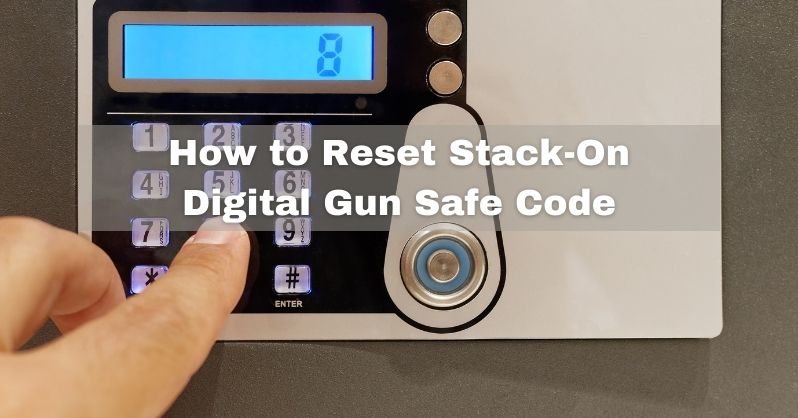
Stack-On digital safes are among the most widely used home gun storage options available. Their keypads are built for quick access, which is exactly what you need when it counts. But digital locks can cause real headaches — especially when batteries run out, a code gets shared with someone who no longer needs it, or a safe changes hands without documentation. The reset process, once you know it, takes just a few minutes.
There are two main situations to understand. The first is a simple code change — you can open the safe, you just want a new PIN. The second is a full factory reset, used when you're locked out and must rely on the physical override key (the backup key included with most Stack-On models). Both are covered here.
Contents
When Resetting Makes Sense — and When to Hold Off
Times You Should Reset the Code
A code reset is the right move in several clear situations. The most obvious is forgetting your PIN. But there are subtler reasons too. If someone who once had access to your safe — a former roommate, a family member who has moved out, or a contractor who worked in your home — no longer needs that access, changing the code is a straightforward security measure. According to recognized firearm storage principles, keeping access restricted to trusted individuals is a fundamental responsibility of ownership.
Buying a used Stack-On safe is another common trigger. Always reset the code before storing anything in a secondhand safe — you have no way of knowing who previously had the combination. And if you've noticed someone watching you enter your PIN, that alone is reason enough to update it promptly.
When You Shouldn't Bother
Not every situation calls for a reset. If your safe is working well and you're the only person who knows the code, there's no urgent reason to change it. One mistake many owners make is resetting immediately after a battery replacement, when the code was never actually erased. Stack-On safes typically retain their stored codes through brief power interruptions. Always test your existing code with fresh batteries before concluding that anything needs to change.
Pro tip: After swapping batteries, test your current code at least twice before assuming it's been lost — most Stack-On models hold their memory through a brief power interruption.
What Beginners and Experienced Users Approach Differently
If You've Never Reset a Digital Safe Before
If this is your first time, start by locating your override key. It came packaged with your safe in a small envelope or pouch, sometimes taped inside the box. If you can't find it, a simple code change (which doesn't require the override key) may still be possible — but a full factory reset won't be without it. Pull out your manual if you have it. Stack-On makes several digital safe series, and button placement varies slightly between models. The manual confirms which button functions as the "Program" key on your specific unit.
One thing to note upfront: the Program button is typically a small recessed button inside the door, near the keypad cable — not on the exterior keypad itself. You'll usually need a pen tip or similar object to press it.
For Users Who've Done This Before
If you've already worked through changing the code on an electronic door lock or configured smart door locks, the Stack-On reset process will feel familiar. The logic is the same: enter programming mode, input a new code, confirm. The key difference here is the physical override cylinder — a dedicated keyhole that bypasses all electronic logic entirely. It's your last resort, and it's more reliable than any software workaround when you're fully locked out.
Understanding the Cost of a Reset
In most cases, resetting your Stack-On safe costs nothing — it's a DIY job that takes under ten minutes. But if complications arise, costs can vary. Here's a practical breakdown of what to expect depending on your situation.
| Scenario | DIY Cost | Time Required | Professional Cost |
|---|---|---|---|
| Simple code change (current code known) | $0 | 2–3 minutes | N/A |
| Factory reset with override key | $0 | 5–10 minutes | N/A |
| Override key lost — order replacement | $10–$20 | 1–3 days (shipping) | N/A |
| Damaged or dead electronic keypad | $30–$60 (replacement module) | 30–60 minutes | $100–$200 |
| Locksmith safe opening | N/A | Same day | $150–$300 |
When to Call a Locksmith
If your override key is lost and the reset procedure hasn't worked, a locksmith is the right next step. Look for one who specifically handles safe work rather than a general locksmith — they'll have the right tools to open the safe without damaging the body or contents. Replacing the electronic lock module is also a viable option; replacement keypads for Stack-On safes are widely available online and are generally straightforward to swap in.
How to Reset Your Stack-On Digital Gun Safe Code
Below are the two main reset procedures. Follow the first if you can still open your safe. Use the second if you're completely locked out and need to rely on the override key.
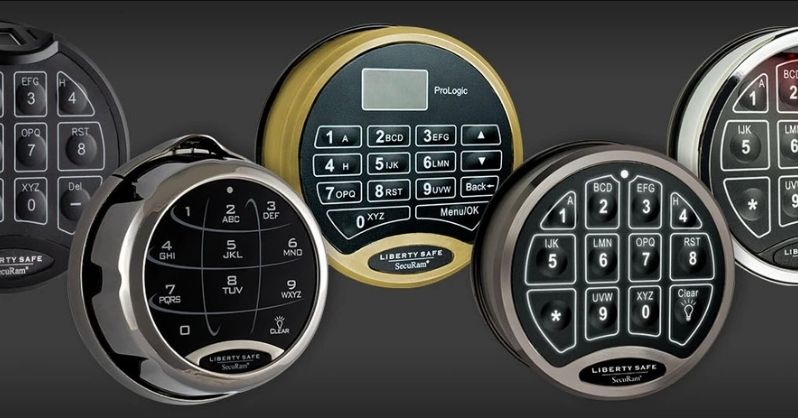
Changing the Code (You Can Still Open the Safe)
Open your safe using the current code. Once the door is open, find the Program button — it's a small recessed button on the interior door panel, near where the keypad cable connects. Press and hold it until the keypad beeps or an indicator light flashes. Enter your new code (most Stack-On models accept between three and eight digits), then press the pound key (#) or a confirm button depending on your model. Enter the new code a second time to confirm. Close the door without fully latching it and test the new code immediately. If it doesn't work, the door is still ajar and you can repeat the process without being locked out.
Full Factory Reset Using the Override Key
Insert the override key into the small keyhole, typically located beneath the main keypad or along the side of the door frame. Turn it to the unlock position. The door should open regardless of any code currently stored in memory. Once inside, press and hold the Program button until the keypad signals that it's in reset mode. Enter your new code and confirm it. Remove the override key, close the door, and test. One rule that matters: never store your override key inside the safe itself. If you lose access, the key is useless in there. Keep it in a separate secure location — a locked drawer in another room works well.
Simple Habits That Prevent Future Lockouts
A little preparation now eliminates a lot of frustration later. These habits take only a few minutes but can spare you from needing a reset entirely.
Keep a Secure Record of Your Code
Write your PIN down and store it physically separate from the safe. A locked cabinet or drawer in another room is a practical option. Avoid saving it in an unencrypted phone note — that creates a different kind of security risk. The goal is a fallback you can reach without your gun safe, not one sitting right next to it. If you change your code periodically (which is good practice), update that written record at the same time so the two stay in sync.
Replace Batteries Before They Die
Most Stack-On digital safes run on a single 9V battery. Replace it on a set schedule — once a year works well — rather than waiting for the low-battery alert. Keep a spare 9V nearby, either taped to the back of the safe or stored in the same area. A dead battery during a stressful moment is an entirely preventable problem. If you want to take a broader look at your home's weak points, these practical home security tips are worth reading through.
How Real Owners Have Handled This
Real scenarios are often more instructive than step-by-step instructions alone. Here are two situations that come up frequently among Stack-On owners.
The Battery Swap That Caused Confusion
One of the most commonly reported issues is what might be called the "battery swap lockout." An owner replaces the batteries, then believes the code has been wiped when it hasn't. The keypad beeps slightly differently with fresh power, which can sound like an error — but in most cases, the stored code is completely intact. The fix is simply to try the original code again, slowly and deliberately. Only if it fails twice in a row should you move on to the reset procedure. Many of these "lockouts" resolve themselves with a second attempt.
The Inherited Safe With an Unknown Code
Another scenario that comes up regularly is inheriting or purchasing a used Stack-On safe where no one remembers the original combination. This is exactly what the override key is designed for. If it wasn't included with the purchase, check the model number stamped inside the door frame or on the back panel — Stack-On's support team can cross-reference that number to provide a replacement key. If you're also thinking about adding a more accessible secondary storage option for daily use, exploring the best under-bed gun safes alongside your Stack-On setup is worth considering.
Frequently Asked Questions
What is the default code for a Stack-On digital gun safe?
Most Stack-On digital safes ship with a factory default code — commonly 1-2-3-4 or a code printed on a label inside the packaging. Check your model's manual or included documentation for the exact default. Change this code immediately on first use before storing anything in the safe.
How do I reset my Stack-On safe if I forgot the code?
You'll need to use the override key, a physical backup key included with your safe at purchase. Insert it into the override keyhole (usually located beneath the keypad or along the door edge), turn to unlock, then follow the programming steps to set a new code. If the override key is missing, contact Stack-On customer support with your model and serial number.
Where is the override keyhole on a Stack-On safe?
The override keyhole is typically located beneath the main keypad on the front of the door, or along the top edge of the door frame depending on the model. It accepts a small tubular or flat key that came packaged with the safe when new. Refer to your manual for the exact position on your specific model.
Will replacing the battery erase my Stack-On safe's code?
No. Stack-On digital safes are designed to retain their stored access code through battery replacements. After installing fresh batteries, test your existing code before assuming it has been lost. Only proceed with a full reset if the original code genuinely no longer works after two careful attempts.
Can I get a replacement override key for my Stack-On safe?
Yes. Contact Stack-On directly through their customer support line with your safe's model number and serial number. They can often provide or sell a replacement override key. Some locksmiths who specialize in safe work can also source or cut compatible keys for Stack-On models.
Your safe is only as secure as the code protecting it — and knowing how to reset that code yourself means you're always in control, never locked out for long.


About Vincent Foster
Greetings, This is Tom Vincent. I’m a home Security Expert and Web developer. I am a fan of technology, home security, entrepreneurship, and DIY. I’m also interested in web development and gardening. I always try to share my experience with my reader. Stay Connected and Keep Reading My Blog. Follow Me: Facebook, Twitter, Pinterest
Now you can get FREE Gifts. Or latest Free Security Cameras here.
Disable Ad block to reveal all the gifts. Once done, hit a button below