If you need to open a gun safe without a key, the good news is you have at least seven methods at your disposal — and the simplest ones require nothing more than a phone call or a fresh set of batteries. Whether your key broke off in the lock, disappeared during a move, or you inherited a locked safe with no documentation, there's a practical path forward for every situation. We'll walk through each method from least to most invasive so you can start with the lowest-risk option first. And if this lockout has you thinking about upgrading, check out our gun safe buying guides for a breakdown of the best models available.
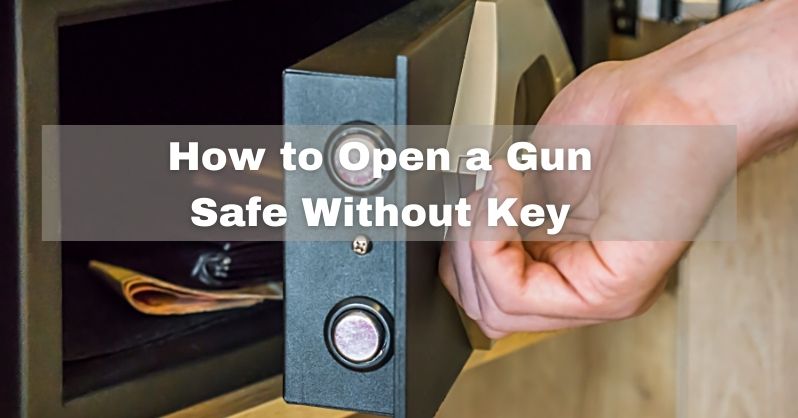
Before you reach for a drill or a crowbar, take a minute to locate your safe's serial number — it's usually stamped on the back panel or the underside of the unit. Most major manufacturers keep ownership records and will mail you a replacement key or combination once you verify purchase. That two-minute phone call could save you a lot of trouble and money.
Gun safes break down into four main types: combination dial, digital keypad, biometric fingerprint, and traditional key lock. The right method for your lockout depends heavily on which type you own. A dead battery on a digital keypad is a completely different problem than a snapped key in a mechanical cylinder. Keep that in mind as you work through the options below — some of these won't apply to your specific safe, and that's fine.
Contents
7 Ways to Open a Gun Safe Without a Key
Check for an Emergency Override Key
This is always your first move, no exceptions. Most digital and biometric gun safes ship with a small emergency override key tucked inside the original box — often in a separate envelope you may have never opened. Check your original packaging, filing cabinet, and any "important documents" drawer before doing anything else. Manufacturers design these keys specifically for lockout situations, and finding one costs you nothing.
If the override key is long gone, call the manufacturer with your model number and proof of purchase. Companies like Stack-On, Sentry Safe, and Liberty routinely mail replacement keys for a nominal fee — sometimes at no charge if you're still within the warranty window.
Factory Reset on Digital Models
Digital keypad safes almost always have a reset procedure built in. For Stack-On owners, there's a dedicated walkthrough on how to reset your Stack-On digital gun safe code that covers the exact steps. Most other brands follow a similar pattern: locate the small reset button on the back panel (sometimes behind a cover plate), hold it while entering a default code, and the lock clears itself.
Dead batteries are the number-one culprit behind unresponsive digital safes, and it's embarrassingly common. Before assuming the lock itself has failed, look for an external battery terminal — usually two small contacts near the keypad where you can press a fresh 9-volt battery against them. That temporary jolt of power is enough to enter your code and get the door open without ever replacing the internal batteries.
The Rare-Earth Magnet Method
This sounds more dramatic than it is. A strong neodymium magnet — rated at 100 lbs of pull force or higher — can interact with the solenoid inside certain entry-level gun safes, pulling the locking mechanism away from the bolt while you apply gentle pressure to the handle. You slowly sweep the magnet across the exterior near the locking area until you feel or hear the mechanism release.
Pro tip: This method only works on safes with a solenoid-based locking system — typically budget models under $150. Higher-end safes use a different internal design that's completely immune to magnets, so don't waste time on a Liberty or Fort Knox with this approach.
Bobby Pin or Lock Pick
For traditional key-lock gun safes, lock picking is a legitimate option if you have patience and a reasonably steady hand. A bobby pin bent into a tension wrench and pick shape can manipulate the pin tumblers inside a standard lock cylinder — it's not as hard as it looks on TV, but it does take practice. If you want to approach this properly, this guide on picking locks for beginners covers the tools and basic technique without assuming you have any prior experience.
Shim the Bolt
Shimming involves sliding a thin piece of metal — an aluminum shim cut from a soda can works well — into the gap between the safe door and the frame to push back the locking bolt directly. This technique is more effective on budget safes where the bolt work is simpler and the tolerances are looser. On better-built safes with hardened steel anti-pry bars, shimming won't get you far, but it's worth thirty seconds of effort before moving on.
Pry Bar as a Pre-Drill Option
A pry bar applied to the door gap can sometimes pop a lower-quality safe open without destroying the lock mechanism. You're essentially overwhelming the mechanical resistance of the locking bolts by force. This will damage the door seal and frame, potentially rendering the safe unusable, so treat it as a step just above drilling — not a casual first attempt.
Drill the Lock
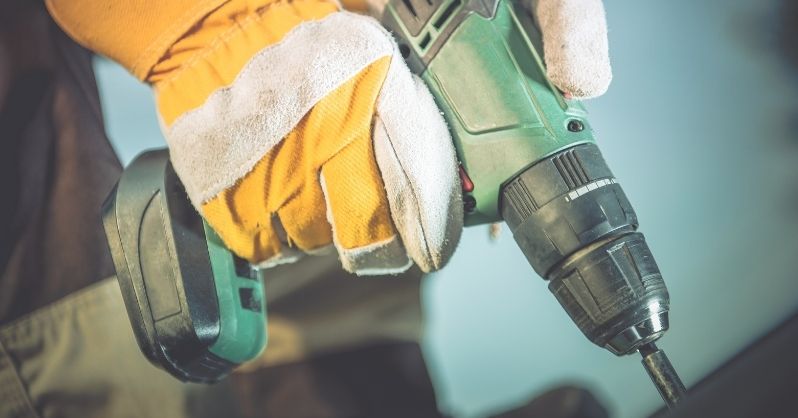
Drilling is the guaranteed solution — it will always get you in, but it destroys the lock cylinder in the process. Use a high-speed steel or carbide-tipped drill bit and aim dead center at the keyhole to reach the shear line inside the cylinder. Once you've drilled through, insert a flathead screwdriver to manually turn the mechanism and release the bolt. Plan for a replacement lock cylinder after the fact; they're available for most common safe models for $20 to $60.
What It Might Cost You
The cost of resolving a gun safe lockout spans a wide range depending on how you approach it. Calling the manufacturer for a replacement key runs anywhere from free to about $30 — cheap considering the alternative. A locksmith visit for a basic lockout typically costs $75 to $150, though a complex job involving drilling and rekeying can push into the $200 to $300 range.
Going the DIY drilling route is inexpensive in terms of materials — a drill bit costs $10 to $20 and a replacement lock cylinder runs $20 to $60. If you own a model like one of the compact options covered in our best under-bed gun safe roundup, replacement lock hardware is widely available and the installation is straightforward for most homeowners.
Budget reality check: Locksmiths charge a service call fee regardless of how long the job takes — always ask for a written estimate before they begin, and confirm whether drilling and rekeying is included in the quoted price.
Weighing Your Options
Every method here involves a trade-off between speed, cost, and how much damage you're willing to accept. The emergency key and factory reset are the clear winners on all three fronts — zero damage, near-zero cost, and reasonably fast. The magnet and lock pick methods preserve the safe's integrity if they work, but they require either specific hardware or a skill most people don't have on hand.
Drilling and prying are reliable but destructive. A locksmith is the cleanest option if cost isn't a major concern and your safe is high-value. The honest answer is that there's no single best method — the right choice depends on your safe type, your urgency, and how much you care about keeping the safe fully functional afterward.
It's also worth noting that physical security research consistently finds that no mechanical lock is truly impenetrable — the goal of a gun safe is deterrence and delay, not absolute prevention. A quality safe combined with good overall home security practices is always more effective than relying on the safe alone.
Method Comparison at a Glance
Here's a side-by-side look at all seven methods so you can make an informed decision before you start:
| Method | Damages Safe? | Estimated Cost | Skill Level | Best For |
|---|---|---|---|---|
| Emergency Override Key | No | Free–$30 | None | Digital / biometric safes |
| Factory Reset / Default Code | No | Free | Low | Digital keypad safes |
| Rare-Earth Magnet | No | $20–$40 | Low | Entry-level solenoid safes |
| Bobby Pin / Lock Pick | No | $0–$25 | Medium | Standard key-lock safes |
| Shim | Minimal | $0–$10 | Low–Medium | Budget safes with simple bolt work |
| Drilling | Yes (lock only) | $30–$80 | Medium | Any safe, last resort |
| Professional Locksmith | Minimal | $75–$300 | None required | High-value or fire-rated safes |
When Nothing Seems to Work
Dead Battery or Electronic Failure
If your digital safe is completely unresponsive — no beep, no display, nothing — the most likely culprit is a dead battery pack, not a failed lock. The external battery terminal trick (pressing a fresh 9-volt to the contacts near the keypad) solves this more often than people expect. If that still gets no response, the keypad module itself may have failed. In that case, contact the manufacturer directly — many will walk you through a secondary diagnostic reset over the phone if you can verify serial number and purchase date.
Forgotten Combination or Jammed Dial
On combination dial safes, a forgotten combination is handled separately from a key lockout. Manufacturers typically keep combination records on file tied to the serial number — you'll need your model number, serial, and proof of purchase to retrieve it. If the dial feels physically stuck or grinds when you turn it, stop and don't force it. A jammed dial usually indicates worn wheel pack components or debris in the mechanism. Forcing it further can damage the internal parts and make a locksmith's job significantly harder and more expensive.
Warning: Repeatedly entering wrong codes on an electronic safe can trigger a lockout mode — most models lock you out for 10 to 20 minutes after several failed attempts. Stop trying and wait it out rather than hammering the keypad and triggering additional lockout cycles.
DIY Lockout vs. Calling a Pro
When DIY Makes Sense
If you own a budget or mid-range safe — say, anything under $300 — attempting the DIY methods first is a reasonable call. The emergency key, factory reset, magnet, and even lock picking approaches are all low-risk and reversible. Even drilling is manageable on entry-level models if you're comfortable with power tools and follow a careful approach. The key is working methodically from least invasive to most invasive, not jumping straight to a drill because it seems faster.
When to Call a Safe Technician
For high-end safes, fire-rated models, or anything with a UL-listed lock, calling a professional safe technician is almost always the smarter move. These safes are engineered with hardened steel plates, relockers that trigger on tampering, and multi-bolt systems that can cascade into worse damage if mishandled. Ask specifically for a safe technician, not just a general locksmith — the skill sets are different, and a door locksmith may cause more damage than they fix on a quality gun safe.
Once you've resolved your lockout, it's a good time to think about your overall home security picture. A secured gun safe matters much less if your home's entry points are vulnerable — pairing your safe security with a quality smart lock or alarm system rounds out a genuinely strong setup.
Frequently Asked Questions
Can I open a gun safe without a key using household items?
In some cases, yes. A strong rare-earth magnet can work on entry-level solenoid-based safes, and a bobby pin can manipulate simple key-lock cylinders. These methods won't work on higher-security models with hardened mechanisms, but they're worth a try on budget safes before reaching for more aggressive tools.
Will drilling a gun safe destroy it permanently?
Drilling destroys the lock cylinder but not the safe body. After drilling, you can install a replacement lock cylinder — available for most popular models for $20 to $60 — and restore the safe to full working condition. It's a repair job, not a total loss.
What's the easiest way to open a gun safe without a key?
The easiest method is locating the emergency override key that came in the original packaging — check your documents drawer and any boxes you may have kept. For digital safes, a factory reset is the next simplest option and requires no special tools at all.
How do I open a digital gun safe with a dead battery?
Most digital gun safes include an external battery terminal near the keypad — two small metal contacts where you can press a fresh 9-volt battery to temporarily power the unit. That's enough to enter your code and open the safe without replacing the internal battery pack first.
Is it legal to break into a gun safe that isn't yours?
No. Forcibly opening a gun safe you don't own is illegal and can constitute breaking and entering as well as a firearms-related violation depending on your state. Every method in this guide is intended for use by the verified owner of the safe.
How much does a locksmith charge to open a gun safe?
Expect to pay $75 to $150 for a standard lockout on a basic gun safe. More involved jobs — like drilling and rekeying a high-security model — typically run $200 to $300. Always request a written estimate upfront, since service call fees apply regardless of how quickly the job is completed.
Key Takeaways
- Always start with the emergency override key or manufacturer reset — they're free, damage-free, and work more often than most people realize.
- Your safe type determines your best option: digital, biometric, and key-lock models each respond to entirely different methods.
- Drilling is a reliable last resort but permanently destroys the lock cylinder — budget for a replacement before you commit to it.
- For high-value or fire-rated safes, a certified safe technician is almost always worth the service fee over a DIY forced-entry attempt.


About Vincent Foster
Greetings, This is Tom Vincent. I’m a home Security Expert and Web developer. I am a fan of technology, home security, entrepreneurship, and DIY. I’m also interested in web development and gardening. I always try to share my experience with my reader. Stay Connected and Keep Reading My Blog. Follow Me: Facebook, Twitter, Pinterest
Now you can get FREE Gifts. Or latest Free Security Cameras here.
Disable Ad block to reveal all the gifts. Once done, hit a button below