What if the difference between feeling safe at home and lying awake worried came down to a device smaller than a coffee mug? The best small indoor security cameras are exactly that — compact, discreet, and powerful enough to give you real visibility over every corner of your home. Whether you want to watch over a sleeping baby, check on a pet, or see what happened while you were at work, the right camera makes it effortless. This guide covers five top-rated picks, a plain-language setup walkthrough, proven placement tips, and a full cost breakdown. You can also browse the wider camera reviews section for even more options.
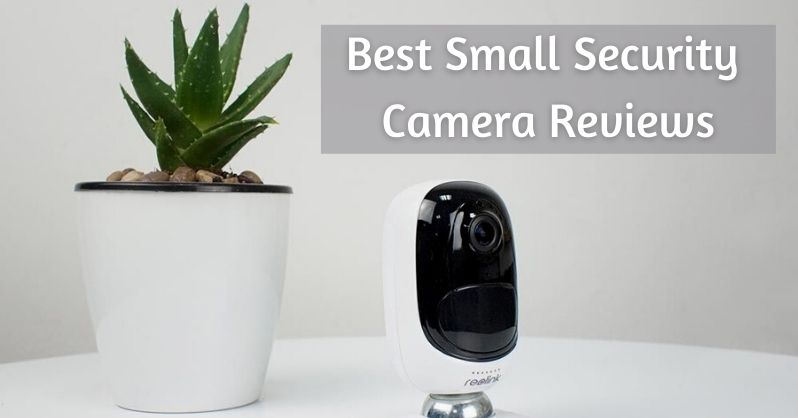
Modern compact cameras pack impressive technology into a tiny shell. Expect 1080p HD video, two-way audio (a built-in mic and speaker so you can hear and talk back remotely), night vision, and motion-triggered alerts pushed straight to your phone. Many models store footage on a local microSD card, so you never have to pay for cloud storage if you don't want to.
The right camera depends on your home, your lifestyle, and how comfortable you are with technology. A renter covering one room has different needs than a homeowner monitoring multiple floors. Read through this guide and you'll know exactly which camera belongs in your space — and how to make the most of it from day one.
Contents
- The 5 Best Small Indoor Security Cameras Worth Buying
- First-Timer or Tech Pro — Which Level Is Right for You?
- How to Set Up Your Small Indoor Security Camera
- Placement Tips That Actually Work
- What to Look for Before You Buy
- Making Your Camera Part of a Bigger Security Plan
- How Much Should You Spend?
- Frequently Asked Questions
The 5 Best Small Indoor Security Cameras Worth Buying
These five cameras earn their spots based on real-world performance, value, and ease of use — not just spec-sheet numbers. Each one fits a slightly different buyer profile, so read the details before you decide.
Ring Compact Plug-In HD Indoor Camera
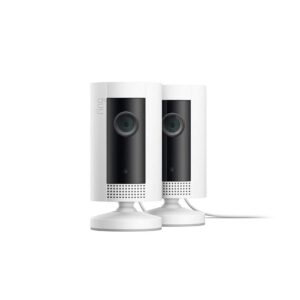
The Ring Compact Plug-In camera is one of the most recognizable names in home security — and it earns that reputation. It plugs directly into any standard wall outlet, so you never worry about charging batteries. You get 1080p HD video, a 140-degree field of view (wide enough to capture most of a mid-size room in a single frame), two-way audio, and customizable motion zones. It integrates seamlessly with Amazon Alexa, so you can pull up a live view just by asking. If you already use Ring's video doorbell or alarm system, this camera slots right into your existing setup without any extra configuration.
Eufy Security EufyCam Wireless System
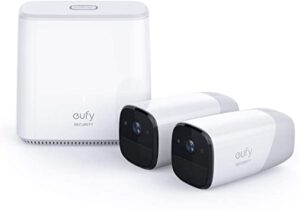
Eufy takes a different approach: no monthly fee, ever. Video is stored locally in encrypted format on the HomeBase hub that comes with the kit. The cameras are battery-powered with a claimed lifespan of up to a year per charge, making placement completely flexible — you're not hunting for outlets. It supports Apple HomeKit, making it the top pick for iPhone-heavy households. The built-in AI motion detection distinguishes between a person and a passing car, cutting down on meaningless alerts. This is the camera for buyers who want premium features without an ongoing subscription tying them down.
YI 1080p WiFi Indoor Nanny Camera
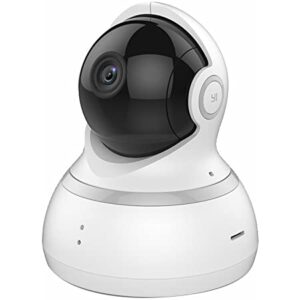
If budget is your primary concern, the YI camera delivers more than its price tag suggests. It shoots 1080p with a 111-degree field of view, includes two-way audio, and produces sharp night vision footage sharp enough to identify faces in a fully dark room. The YI Home app is straightforward and works on both Android and iOS. Local microSD storage is supported, so cloud storage is entirely optional. This is the best entry point for anyone who wants to test indoor camera security without a major financial commitment.
ZEEPORTE Battery-Powered WiFi Camera
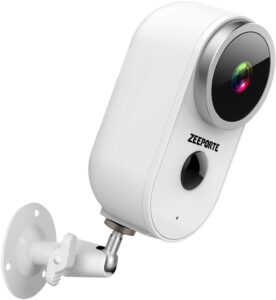
The ZEEPORTE is a wire-free, rechargeable camera that gives you genuine placement freedom. Because it runs on a battery and connects over WiFi, you can position it on any shelf, windowsill, or mount point — indoors or out. It records 1080p video, triggers motion alerts, includes two-way audio, and delivers clear night vision. The rechargeable battery design removes the hassle of running extension cords through your living space. If you're curious how this fixed-lens design compares to motorized options, our guide on PTZ camera vs bullet camera differences explains the trade-offs clearly.
Wyze Cam V2
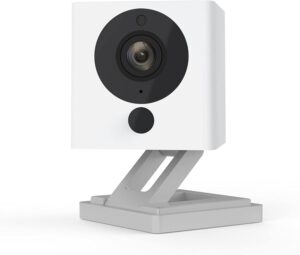
The Wyze Cam V2 became a cult favorite for one reason: it performs like cameras three times its price. You get 1080p HD video, a 110-degree field of view, night vision up to 30 feet, and instant motion and sound alerts. It works with both Amazon Alexa and Google Assistant. Local microSD storage is supported, and the optional cloud plan is among the cheapest available. For anyone buying their first indoor camera, this is the easiest and most risk-free place to start.
First-Timer or Tech Pro — Which Camera Level Is Right for You?
If You're Brand New to Home Security
Start simple. Pick a camera with a beginner-friendly app, local storage support, and minimal settings to configure before it becomes useful. The Wyze Cam V2 and YI camera both fit this profile perfectly. You plug them in, download the app, connect to your WiFi, and you're monitoring your home in under ten minutes. You don't need facial recognition or smart home integration on day one. Complexity you don't understand is complexity that gets switched off. Begin with one camera in your most-used room, learn the app, and expand from there.
If You Want Advanced Control
For users who want granular motion zones, encrypted local storage, multi-camera management, or deep smart home integration — Ring and Eufy are the right tier. Ring plugs into a broader ecosystem that includes alarms, video doorbells, and outdoor cameras. Eufy's HomeBase stores footage locally without relying on any external cloud server. If building a connected home security system is your goal, our guide on smart locks that work with Google Home is a useful next read for layering devices together effectively.
How to Set Up Your Small Indoor Security Camera
Step 1 — Choose Your Location and Power Source
Decide first whether you need a plug-in or battery-powered model based on where you plan to put the camera. Plug-in cameras like the Ring and Wyze need to stay within reach of an outlet. Battery-powered models like the ZEEPORTE and Eufy can go anywhere. Once you've identified your spot, check that the camera's field of view covers the area you care about most — typically aimed at entry points or the center of high-traffic rooms.
Step 2 — Download the App and Connect to WiFi
Download the companion app before you even open the box. Every camera on this list uses a smartphone app for setup and daily use. Most follow the same process:
- Create an account in the app
- Scan the QR code on the camera or enter its serial number
- Select your 2.4GHz WiFi network (most cameras don't support 5GHz — check your router settings)
- Follow the on-screen prompts until the camera confirms it's connected
The whole process typically takes under ten minutes. CCTV systems once required professional installation and dedicated wiring — today's WiFi cameras have eliminated that barrier entirely.
Step 3 — Configure Motion Detection and Storage
Once connected, open the camera settings and customize your motion detection zones. If the camera faces a window, exclude that area to prevent false alerts from passing cars or shifting sunlight. Set alert preferences — most people want push notifications only for human motion, not every leaf that blows past. Then insert a microSD card for local recording, or activate a cloud plan if you prefer remote access to older footage.
Pro tip: Position your camera so it captures the face of anyone entering the room — not just their back. A clear facial view is what makes recorded footage actually useful if you ever need to share it.
Placement Tips That Actually Work
The Angles That Catch the Most
Height matters more than most people realize. Mount or place your camera between 7 and 9 feet off the ground, angled slightly downward. This gives you a near face-level view of anyone in the room while keeping the camera out of easy reach. Corner placement beats flat-wall placement almost every time — a camera in the corner covers two walls instead of one. For a living room, aim toward the main entrance. For a bedroom, aim toward the door. These two spots cover 90% of what matters.
Common Placement Mistakes to Avoid
Pointing a camera directly at a window is the most widespread mistake. Daylight overexposes the image and turns everything in the foreground into a dark silhouette. Glare from overhead lights causes the same problem — avoid aiming directly at light fixtures. Also keep cameras away from objects that shift position, like curtain rods or shelves where items get moved regularly. If you want your camera to blend in completely, read our detailed guide on how to hide a security camera in plain sight for creative placement strategies.
What to Look for Before You Buy
Features That Actually Matter
Not every spec on the box translates to real-world value. Focus on these:
- Resolution: 1080p is the minimum. Below that, you'll struggle to identify faces or read license plates.
- Night vision: Look for infrared (IR) night vision with at least a 20-foot range.
- Two-way audio: Essential if you want to communicate through the camera — useful for kids, pets, or deterring an intruder.
- Storage type: Local microSD storage protects your privacy and eliminates subscription costs. Cloud storage adds convenience but typically requires a monthly fee.
- App reliability: Read recent app store reviews before you buy — the app is what you use every day, not the hardware spec sheet.
Features You Can Skip at First
Color night vision, 4K resolution, facial recognition, and pan/tilt/zoom (the ability to rotate the camera remotely via app) are genuinely useful extras — but rarely worth the price jump for most home buyers. A well-placed 1080p camera outperforms a poorly positioned 4K model every time. Start with the essentials, and upgrade once you understand how you actually use the footage. One thing worth researching before you connect any camera to your network: can home security systems be hacked? — understanding the risks helps you choose models with stronger security practices.
Making Your Indoor Camera Part of a Bigger Security Plan
Pairing Your Camera with Other Devices
One camera is a smart start. A layered system is better. Indoor cameras work best when combined with perimeter defenses — a smart lock on the front door, a video doorbell at the entryway, and at least one outdoor camera covering the exterior. Think in zones: your perimeter (outside), your entry points (doors, windows), and your interior spaces (hallway, living room, bedrooms). Your indoor cameras are the last line of defense. If someone gets past your outdoor measures, your indoor footage is what identifies them. If you want to know how to spot a camera you didn't install yourself, our guide on how to detect a hidden camera with your mobile phone is worth bookmarking.
When It's Time to Expand Your System
Add cameras when you notice blind spots — areas that no existing camera currently covers. A useful rule: if you catch yourself wishing you could see a specific corner after any incident, even a minor one like a lost item, that corner needs coverage. Add one camera at a time, starting with the highest-risk areas first. For outdoor coverage without paying a monthly subscription, check out our roundup of the best outdoor home security cameras without subscription.
How Much Should You Spend on an Indoor Security Camera?
What Different Budget Levels Get You
Small indoor security cameras range from under $20 to over $200. The best performers cluster in the $30–$80 range. Here's a clear breakdown of what your budget buys:
| Budget Range | What You Get | Best Pick |
|---|---|---|
| Under $30 | 1080p video, basic motion alerts, app control, microSD storage | YI 1080p Camera |
| $30–$60 | 1080p, night vision, two-way audio, smart assistant integration | Wyze Cam V2 |
| $60–$100 | Wire-free flexibility, rechargeable battery, 1080p, two-way audio | ZEEPORTE |
| $100–$150 | Full ecosystem integration, customizable zones, Alexa support | Ring Compact Plug-In |
| $150+ | No subscription ever, encrypted local storage, HomeKit, AI detection | Eufy EufyCam System |
Don't Forget Ongoing Costs
The upfront price is only part of what you'll spend. Cloud storage subscriptions typically run $3–$10 per month per camera. Four cameras on a cloud plan can cost more annually than the hardware itself. Choosing cameras with local microSD support — or a hub like Eufy's HomeBase — eliminates that recurring cost. A quality 64GB microSD card runs under $15 and stores weeks of motion-triggered footage. Factor in mounting hardware and, for wired models, any extension cords you'll need to reach your chosen spot.
Frequently Asked Questions
What makes a small indoor security camera "small"?
There's no exact size definition, but small indoor cameras are generally compact enough to sit on a shelf or desk without drawing attention — typically under 4 inches tall. They're designed to blend into home décor rather than look like traditional surveillance equipment.
Do I need WiFi to use a small indoor security camera?
Yes, every camera on this list requires a WiFi connection to send alerts, enable remote viewing, and upload footage to the cloud. You'll need a stable 2.4GHz network. Most small indoor cameras don't support 5GHz bands, so check your router settings before setup.
Can small indoor cameras record continuously?
Some models support continuous recording (24/7), but this drains battery-powered cameras quickly and fills storage fast. Most small cameras default to motion-triggered recording, which captures relevant events without burning through battery or storage space. Check the specs for your specific model.
Is it legal to use security cameras inside my home?
Yes, recording your own home's interior is legal in virtually all jurisdictions. The key exceptions are areas where people have a reasonable expectation of privacy — bathrooms and bedrooms used by guests, for example. Always disclose cameras to anyone living in or regularly visiting your home.
What's the difference between wired and wireless indoor cameras?
Wired (plug-in) cameras draw constant power so they never run out of charge, but they require proximity to an outlet. Wireless (battery-powered) cameras can be placed anywhere but need periodic recharging. Both types connect to your home network via WiFi for remote access.
How do I know if my indoor camera has been hacked?
Warning signs include the camera moving on its own (for pan/tilt models), unusual data spikes on your network, unfamiliar login activity in your app, or the indicator light behaving unexpectedly. Use a strong unique password, enable two-factor authentication, and keep your camera's firmware updated to reduce risk significantly.
Can I use an indoor camera outdoors?
Only if the camera is rated for outdoor use. Most small indoor cameras are not weatherproof and will fail when exposed to moisture or temperature extremes. The ZEEPORTE on this list can handle outdoor conditions, but always verify the IP rating (look for IP65 or higher) before placing any camera outside.
How much footage does a microSD card store?
A 32GB microSD card typically stores 3–7 days of motion-triggered footage at 1080p, depending on how active your home is. A 64GB card doubles that. Cards fill up and overwrite the oldest footage automatically in most cameras, so you'll always have recent recordings without manually managing storage.
The best small indoor security camera isn't the one with the most features — it's the one you actually set up, position correctly, and check when it matters.


About Vincent Foster
Greetings, This is Tom Vincent. I’m a home Security Expert and Web developer. I am a fan of technology, home security, entrepreneurship, and DIY. I’m also interested in web development and gardening. I always try to share my experience with my reader. Stay Connected and Keep Reading My Blog. Follow Me: Facebook, Twitter, Pinterest
Now you can get FREE Gifts. Or latest Free Security Cameras here.
Disable Ad block to reveal all the gifts. Once done, hit a button below