What if the most effective security camera in your home was hidden inside a smoke detector, a wall outlet, or a ballpoint pen? That's not a hypothetical — it's exactly how the types of spy cameras available today work. If you're serious about discreet home surveillance, the SecureOne spy camera guide is the best place to start. Hidden cameras aren't spy-movie props. They're practical tools for homeowners, parents, and renters who need monitoring in spaces where a visible camera would change behavior entirely — or simply tip off the wrong person.
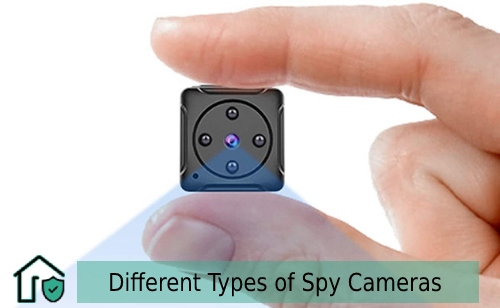
The market for hidden cameras has expanded well beyond basic pinhole lenses. You now have wireless models that stream live to your phone, cameras disguised as alarm clocks or USB chargers, and hardwired systems built for continuous around-the-clock recording. Each type solves a different problem. A nanny cam disguised as a bookshelf clock serves a completely different purpose than a hardwired pinhole camera embedded in a wall plate. Understanding the differences is how you avoid buying the wrong tool for your situation.
This guide walks through every major category — how each type is powered, where it performs best, what trade-offs come with it, and how to work spy cameras into a broader security setup that holds up over time.
Contents
- The Main Types of Spy Cameras Available Today
- Real-World Scenarios Where Spy Cameras Deliver Results
- When Hidden Cameras Are the Right Call — and When They're Not
- Comparing the Types: Honest Pros and Cons
- Quick Setup Tips That Get You Monitoring Fast
- Keeping Your Spy Camera in Top Shape
- Building a Long-Term Home Surveillance Strategy
- Frequently Asked Questions
- Key Takeaways
The Main Types of Spy Cameras Available Today
Before you commit to a camera, you need to know what's actually out there. The types of spy cameras break into five main categories based on power source, form factor, and connectivity. Each category comes with specific strengths and limitations you need to weigh before buying.
Wired Pinhole Cameras
Wired cameras use a direct power connection and transmit footage via cable to a DVR or monitor. They're the most reliable option for continuous recording because you never worry about a battery dying or a Wi-Fi signal dropping mid-session. The trade-off is installation complexity — you're running cables through walls or along baseboards, which takes real effort upfront.
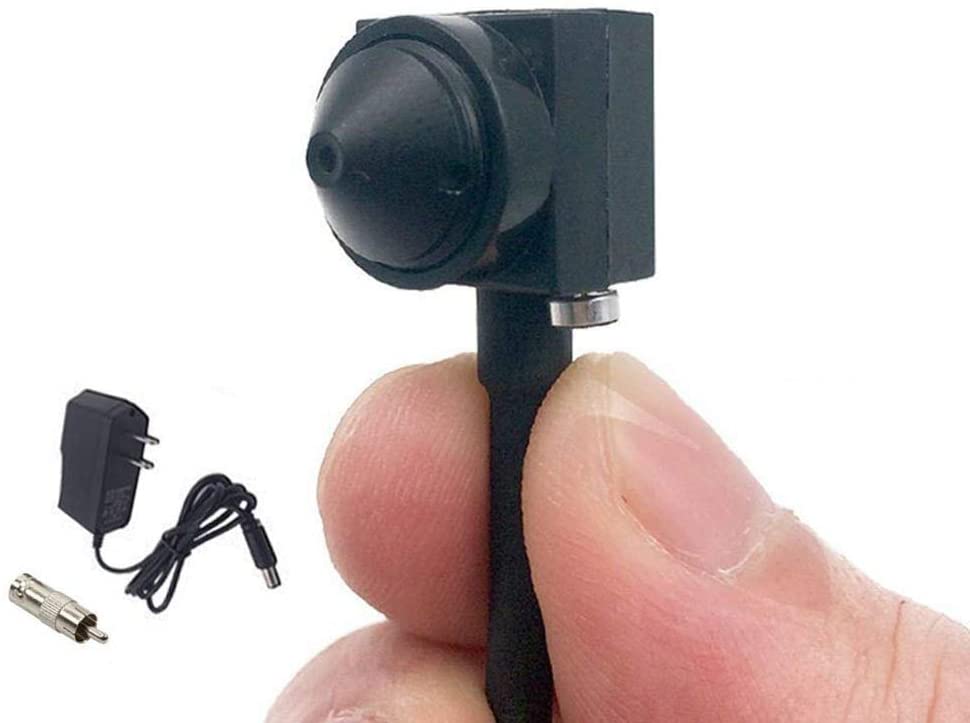
These cameras are ideal for permanent installations in bedrooms, living rooms, or offices where you want round-the-clock monitoring. Resolution ranges from 700TVL on older models up to 1080p on modern units. If you're building a fixed surveillance setup that you never want to think about again, hardwired pinhole cameras give you the most dependable foundation.
Wireless Wi-Fi Cameras
Wireless spy cameras connect to your home network and stream footage directly to an app on your phone. No cables, no DVR, no professional installation required. Many models support motion detection, two-way audio, and cloud storage. The downside: they depend entirely on your Wi-Fi signal. A dead zone or router outage means missed footage — so your placement needs to account for signal strength.
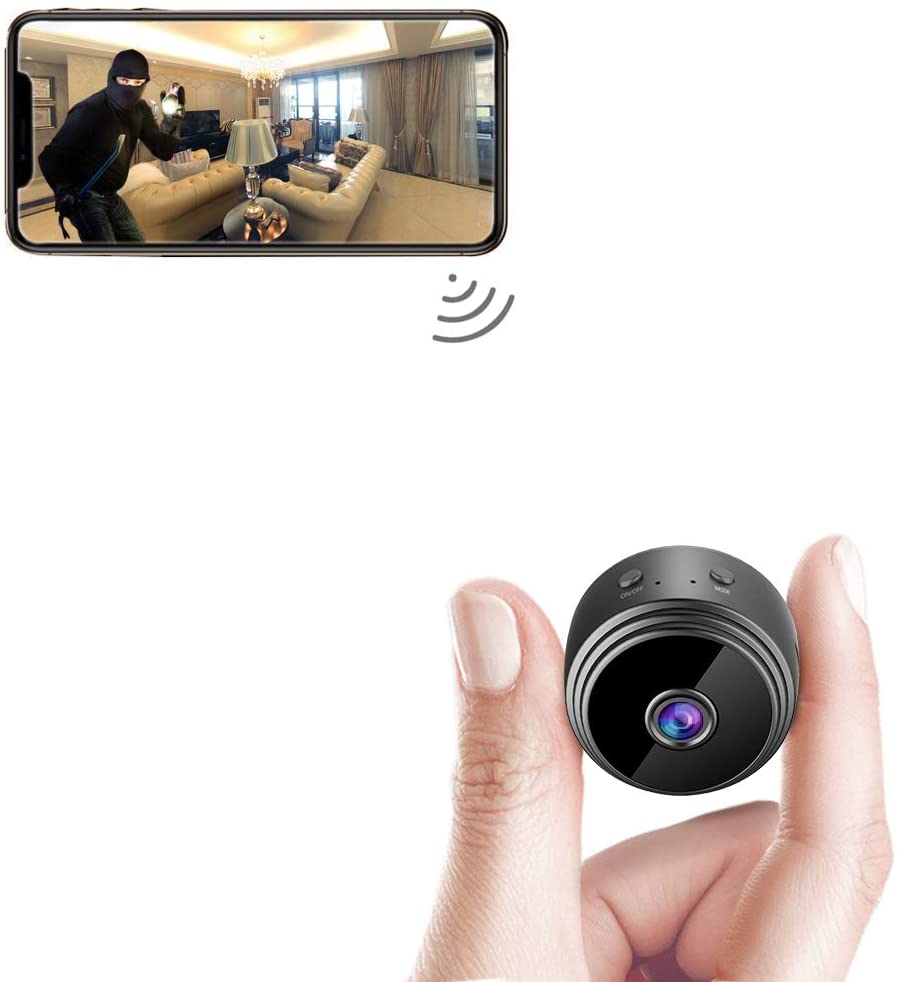
Most wireless spy cameras record in 1080p and include a microSD card slot for local backup when connectivity drops. When choosing between a hidden camera and an overt one, it also helps to read how video doorbells compare to security cameras — they solve overlapping problems but from very different positions and with different trade-offs.
Disguised Object Cameras
This is where spy cameras get genuinely clever. Smoke detectors, alarm clocks, and USB wall chargers all come in versions with a built-in hidden lens. Anyone walking into the room sees a completely normal household object. Nobody questions it.
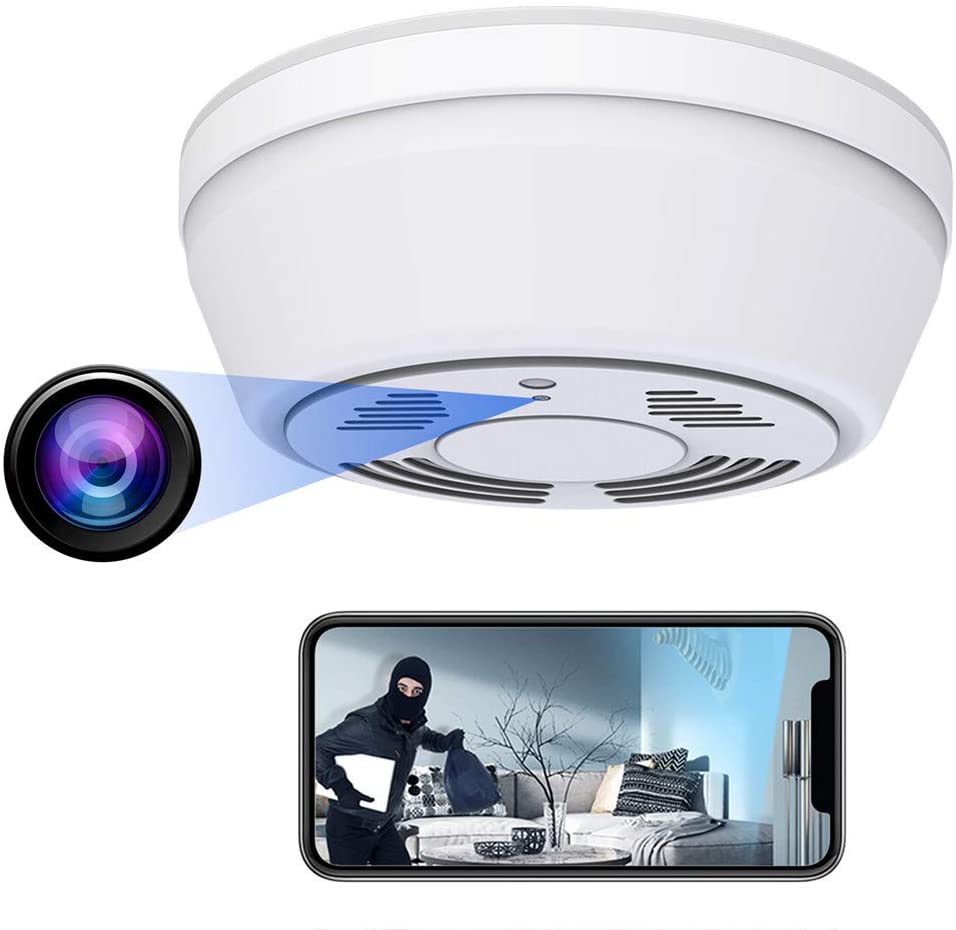
Smoke detector cameras mount flush to a ceiling and give you a wide downward angle covering the full room — the same angle that makes them ideal for living rooms and nurseries. Alarm clock cameras follow the same logic but sit on a flat surface, blending naturally into a bedroom or office.
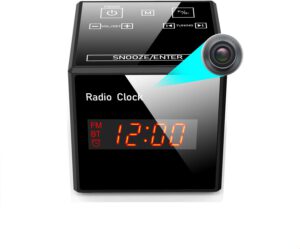
Many clock and smoke detector cameras include night vision, motion-triggered recording, and real-time app monitoring built in. They're the go-to choice when you need maximum concealment without any custom installation work.
Pen and Portable Cameras
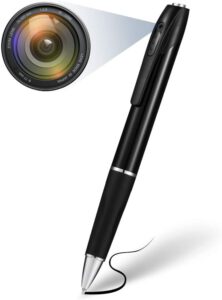
Pen cameras are exactly what they sound like — a functional ballpoint pen with a miniature camera built inside. They're designed for situations where you need a recording device on your person. Quality models capture at 1080p, and battery life typically runs 90–150 minutes per charge.
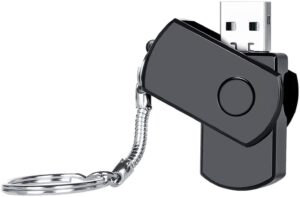
USB flash drive cameras follow the same concept. They look like an ordinary drive you'd leave plugged into a laptop or sitting on a desk, but contain a hidden lens with a clear sightline across the workspace.
AC Adapter and Charger Cameras
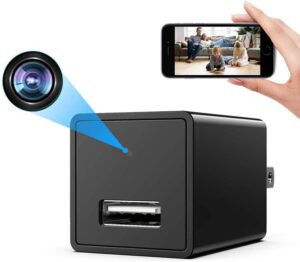
Wall plug charger cameras are one of the most underestimated options in the entire category. They plug directly into a standard outlet and run indefinitely — no battery changes, no scheduled charging. The lens sits flush with the casing and records the room in front of it. For high-traffic indoor areas where you need continuous coverage, an AC adapter camera is the most maintenance-free choice available.
Real-World Scenarios Where Spy Cameras Deliver Results
Understanding the types of spy cameras on paper is one thing. Seeing how each performs in actual situations makes the decision much easier.
Monitoring a Nanny or Caregiver
The most common use case for a hidden camera in a private home is caregiver monitoring. You want to know your child is being treated well when you're not present. A disguised alarm clock camera on a shelf or a smoke detector camera on the ceiling gives you a continuous view of the main living area without signaling to a caregiver that they're being watched — which would defeat the purpose. This is the scenario disguised object cameras were specifically designed for, and they handle it exceptionally well.
Catching Porch Pirates and Package Thieves
A wireless spy camera positioned near the front door — tucked inside a decorative item or mounted as part of a wall fixture — captures faces and timestamps that are usable as evidence. If you're already using a video doorbell for front-door coverage, a hidden camera adds interior angles that a doorbell can't reach. You should also know how to save Ring doorbell video without a subscription so you're not paying monthly fees just to retain footage for a few days.
Monitoring Entry Points and Shared Common Areas
Rental properties, shared living spaces, and home offices all have areas where you want documentation without making the space feel surveilled. A hardwired pinhole camera embedded in a wall plate or vent cover records activity in hallways, entryways, and shared rooms with no visible hardware to raise questions from guests or tenants.
When Hidden Cameras Are the Right Call — and When They're Not
Not every security situation calls for a spy camera. Knowing when to deploy one — and when a visible camera would serve you better — keeps you on the right side of both the law and your relationships.
Situations That Justify Covert Surveillance
You're monitoring your own property and have a legitimate reason to do it discreetly. That covers nanny monitoring, catching theft, documenting vandalism, or recording interactions with contractors and service workers inside your home. In your own home, you generally have the legal right to record video in common areas — but laws vary significantly by state and country, so it's worth confirming. Wikipedia's overview of surveillance law is a useful starting point for understanding the broader legal landscape before you buy.
Important: Recording in bathrooms, guest bedrooms, or any space where a person has a reasonable expectation of privacy is illegal in most jurisdictions — regardless of who owns the property. Verify your local laws before you deploy any hidden camera.
Situations Where You Should Step Back
If your goal is deterrence, a visible camera works far better than a hidden one. Opportunistic thieves move on when they see a camera — a hidden one gives you evidence after the fact, but it doesn't stop the event from happening in the first place. Spy cameras also aren't the right tool for surveilling someone in a space where they have a reasonable expectation of privacy — that crosses a legal and ethical line that no security goal justifies.
Comparing the Types: Honest Pros and Cons
Every spy camera type involves real trade-offs. This table gives you a direct comparison so you can match the right tool to your specific need without guesswork.
| Camera Type | Power Source | Best Use | Stealth Level | Connectivity |
|---|---|---|---|---|
| Wired Pinhole | Hardwired (continuous) | Permanent indoor monitoring | High | DVR / cable |
| Wireless Wi-Fi | Battery or plug-in | Flexible indoor spots | Medium | Wi-Fi / app |
| Smoke Detector | Battery or wired | Living rooms, nurseries | Very High | Wi-Fi / SD card |
| Alarm Clock | AC power | Bedrooms, offices | Very High | Wi-Fi / app |
| AC Adapter / Charger | Continuous (wall outlet) | High-traffic indoor areas | Very High | Wi-Fi / app |
| Pen Camera | Built-in battery | On-person recording | Extremely High | Local SD card |
| USB Flash Drive | Built-in battery | Desk or tabletop coverage | Extremely High | Local SD card |
Quick Setup Tips That Get You Monitoring Fast
You don't need a week of planning to get a spy camera operational. A few smart decisions at the start prevent the common mistakes that lead to poor footage, blind spots, or a camera that gets noticed before it's useful.
Indoor Camera Placement
Position your camera between 7 and 9 feet from the floor. This height gives you a wide downward-facing angle that covers more of the room while keeping the lens out of direct eye level. Avoid pointing cameras directly at windows — backlighting washes out faces and makes footage nearly useless for identification. For living areas and nanny monitoring, a smoke detector camera at the far end of the room is the most reliable setup you can deploy without any renovation work.
Quick win: Before committing to a position, review a short test recording first — small adjustments of just a few inches can dramatically change how much of the room you actually capture.
Getting Clear Footage Immediately
Check the lens for smudges before you deploy — even a partial fingerprint cuts image quality significantly. Set your camera to motion-triggered recording rather than continuous recording if you're using local storage. This extends recording time and makes reviewing footage faster since you're not scrubbing through hours of an empty room. Most cameras let you adjust the motion sensitivity threshold — dial it back slightly to avoid false triggers from passing shadows or ceiling fans.
Keeping Your Spy Camera in Top Shape
A spy camera you never maintain is a camera that fails at the worst possible time. Regular upkeep takes minutes but makes all the difference when you actually need the footage.
Managing Your Storage
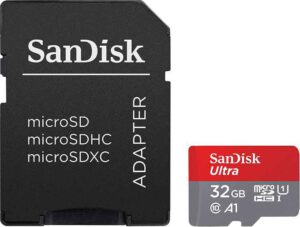
Most spy cameras rely on a microSD card for local recording. Use a high-endurance card rated specifically for continuous video — standard cards are designed for photo storage and degrade quickly under constant write cycles. A 64GB card is the minimum for any serious use. Format the card every 30 days to clear fragmentation and prevent the read/write errors that silently corrupt footage. If your camera also supports cloud backup, spot-check that uploads are actually completing — wireless cameras occasionally fail to sync without throwing any visible error.
Power and Battery Maintenance
Battery-powered cameras need regular charge checks on a set schedule. A dead camera gives you a false sense of security — you think you're covered, but nothing is recording. Set a recurring calendar reminder to check battery levels every two weeks. For AC-powered models, inspect the power cable and connection point periodically for signs of wear. Any fraying or intermittent disconnection needs to be addressed immediately, not noted and ignored.
Building a Long-Term Home Surveillance Strategy
Spy cameras are most effective as part of a layered security approach. Treating them as your only line of defense misses what they're actually good at — and leaves obvious gaps.
Layering Hidden and Visible Cameras
Visible cameras deter. Hidden cameras document. You need both. A visible camera above your front door changes behavior — most opportunistic intruders will move on to an easier target when they see it. But a hidden camera inside your entryway captures what happens if they don't. When you're planning your full home security camera system, map out where each camera type serves a distinct purpose rather than doubling up on the same coverage.
Smart locks and alarms connect to this picture too. If you're thinking about how all these layers fit together, the guide on how home security systems work gives you a clearer picture of how each component connects. And if smart locks are part of your plan, understanding whether smart locks are actually secure is worth doing before you commit to a model.
Knowing When to Expand Your Setup
Start with one or two high-priority locations — the front door, the main living area, or a home office — then expand based on what your footage actually reveals. If you're capturing a hallway but consistently missing the room at the end of it, that tells you exactly where the next camera goes. Expand based on evidence, not anxiety. A targeted setup with five well-placed cameras outperforms a scattered setup with fifteen poorly positioned ones every time.
Frequently Asked Questions
What are the most common types of spy cameras for home use?
The most widely used types include wired pinhole cameras, wireless Wi-Fi cameras, smoke detector cameras, alarm clock cameras, AC adapter cameras, pen cameras, and USB flash drive cameras. Each type is designed for a specific setting and use case, so choosing the right one depends on where you need coverage and how discreet the setup needs to be.
Are spy cameras legal to use in your own home?
In most jurisdictions, you're legally allowed to record video in common areas of your own home — living rooms, kitchens, entryways, and similar shared spaces. Recording in bathrooms, guest bedrooms, or any space where someone has a reasonable expectation of privacy is illegal in most places. Always confirm the rules in your state or country before deploying any hidden camera.
How long can a spy camera record on battery power?
Battery life varies significantly by camera type. Pen cameras typically last 90–150 minutes. Small wireless cameras with integrated battery packs can run 8–12 hours on motion-triggered recording mode. AC-powered cameras run indefinitely since they draw directly from the wall outlet and never need recharging.
What resolution should I look for in a spy camera?
A minimum of 1080p Full HD is the standard worth holding to. This resolution gives you clear enough footage to identify faces, read license plates, and capture usable details. Cameras below 720p are generally not worth buying for security purposes — the footage quality rarely holds up as evidence or for reliable identification.
How do I keep my spy camera from being detected?
Choose a camera disguised as an object that naturally belongs in the room. A smoke detector camera on a ceiling, an alarm clock camera on a nightstand, or a wall charger camera near an outlet all blend in completely. The key is avoiding any position where the device would be regularly picked up, moved, or handled — that's when most hidden cameras get discovered.
What's the best storage option for a spy camera?
For most home use cases, a high-endurance microSD card of at least 64GB is the most reliable choice. It keeps footage local, doesn't depend on internet connectivity, and works even if your router goes down. Wireless cameras with cloud backup add useful redundancy, but cloud storage typically requires a subscription and can fail silently if your connection is unreliable.
Can spy cameras be used outdoors?
Some wireless spy cameras are rated for outdoor use, but most disguised models — clock cameras, pen cameras, USB flash drive cameras — are built for indoor environments and won't hold up against rain, humidity, or temperature extremes. For outdoor hidden surveillance, look specifically for weatherproof cameras with an IP65 rating or higher to ensure they survive the elements reliably.
Key Takeaways
- The main types of spy cameras — wired pinhole, wireless Wi-Fi, disguised object, pen/portable, and AC adapter — each solve a distinct surveillance problem, so matching the type to your specific location and power situation is the most important decision you'll make.
- Hidden cameras are legal in common areas of your own home in most jurisdictions, but illegal in spaces where people have a reasonable expectation of privacy — verify your local laws before you buy.
- For continuous, maintenance-free coverage, AC-powered or hardwired cameras are the most reliable; for flexible placement without installation work, wireless Wi-Fi cameras with a high-endurance microSD card are the best all-around option.
- Spy cameras work best as part of a layered security plan — visible cameras deter intruders, hidden cameras document what happens, and combining both gives you the most complete and defensible coverage of your home.


About Vincent Foster
Greetings, This is Tom Vincent. I’m a home Security Expert and Web developer. I am a fan of technology, home security, entrepreneurship, and DIY. I’m also interested in web development and gardening. I always try to share my experience with my reader. Stay Connected and Keep Reading My Blog. Follow Me: Facebook, Twitter, Pinterest
Now you can get FREE Gifts. Or latest Free Security Cameras here.
Disable Ad block to reveal all the gifts. Once done, hit a button below